Winter is a tricky time for houseplants, and philodendrons are no exception. With shorter days and drier indoor air, getting the soil right can make all the difference in how our plants look and grow. The right philodendron growing medium helps with hydration, root health, and nutrient support, all things that really matter when growth slows down during the colder months.
When things feel off (like leaves drooping or soil drying too fast), it’s usually the root zone that needs the most attention. The good news is, once we know what our philodendrons like under the surface, we can give them what they need to stay steady through the season, and look even better when spring rolls in.
What Philodendrons Need to Grow Well Indoors
Philodendrons are native to tropical rainforests, which tells us a lot about the kind of soil they like. In their natural habitat, they grow in loose, rich soil that holds moisture but never stays soggy. The roots need a steady supply of oxygen, which means the mix has to drain well and stay light.
That balance is especially important indoors during January and February, when light is limited and evaporation slows down. Our goal is to build a growing medium that holds enough water to keep roots hydrated without drowning them.
This is where airflow and aeration come in. A well-structured mix will hold space between ingredients so that oxygen can reach the roots easily. That’s key to keeping rot and fungal issues away, especially if we’re watering less often this time of year.
Moisture-holding ingredients like coco coir or peat moss can be helpful, but only when balanced out with chunkier materials. If we go too heavy on the fine stuff, we risk making the mix too dense, which shuts down airflow and holds too much water.
If you focus on balance in your mix, it’s easier to care for your philodendron, especially when indoor humidity levels drop. Sometimes, it helps to observe your plant closely through the season to see how it responds to changes in watering or air temperature. Small adjustments to the mix can prevent bigger issues later.
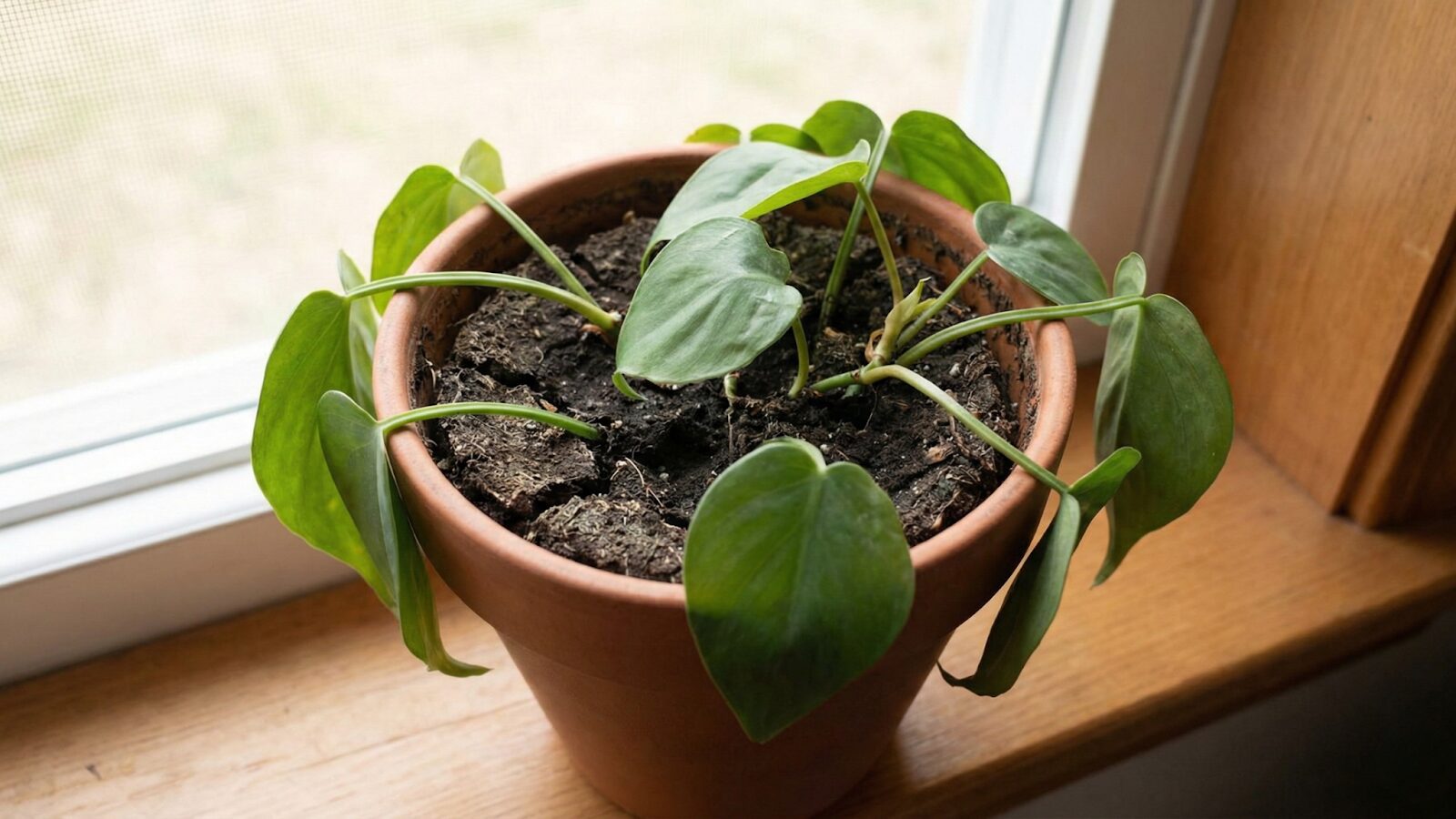
What to Avoid in a Poor Potting Mix
We’ve all seen what happens when the soil isn’t quite right. It either holds onto water for days or dries out overnight. Neither is good for a philodendron.
Here are a few clues that the mix might be missing the mark:
- The top layer stays bone dry while the bottom turns to slush
- Excess water pools at the bottom of the pot or drains out too slow
- The plant droops even after we water
Heavy mixes packed with peat or compact soil tend to cause problems in winter. They shrink and pull away from the container edges once they dry out, then they turn water-repellent, so the next watering just runs right through without actually soaking the roots.
Garden soil or basic potting soil without any added texture may seem like a quick option, but these mixes aren’t built for indoor plants in containers. Without the right structure, they break down fast and lead to compaction, which chokes the roots and causes stress that shows up in the leaves.
Compacted soil can make it harder for roots to find oxygen, and can increase the chance of root rot. It’s worth observing how water moves through the soil after watering and making small adjustments as you notice problems.
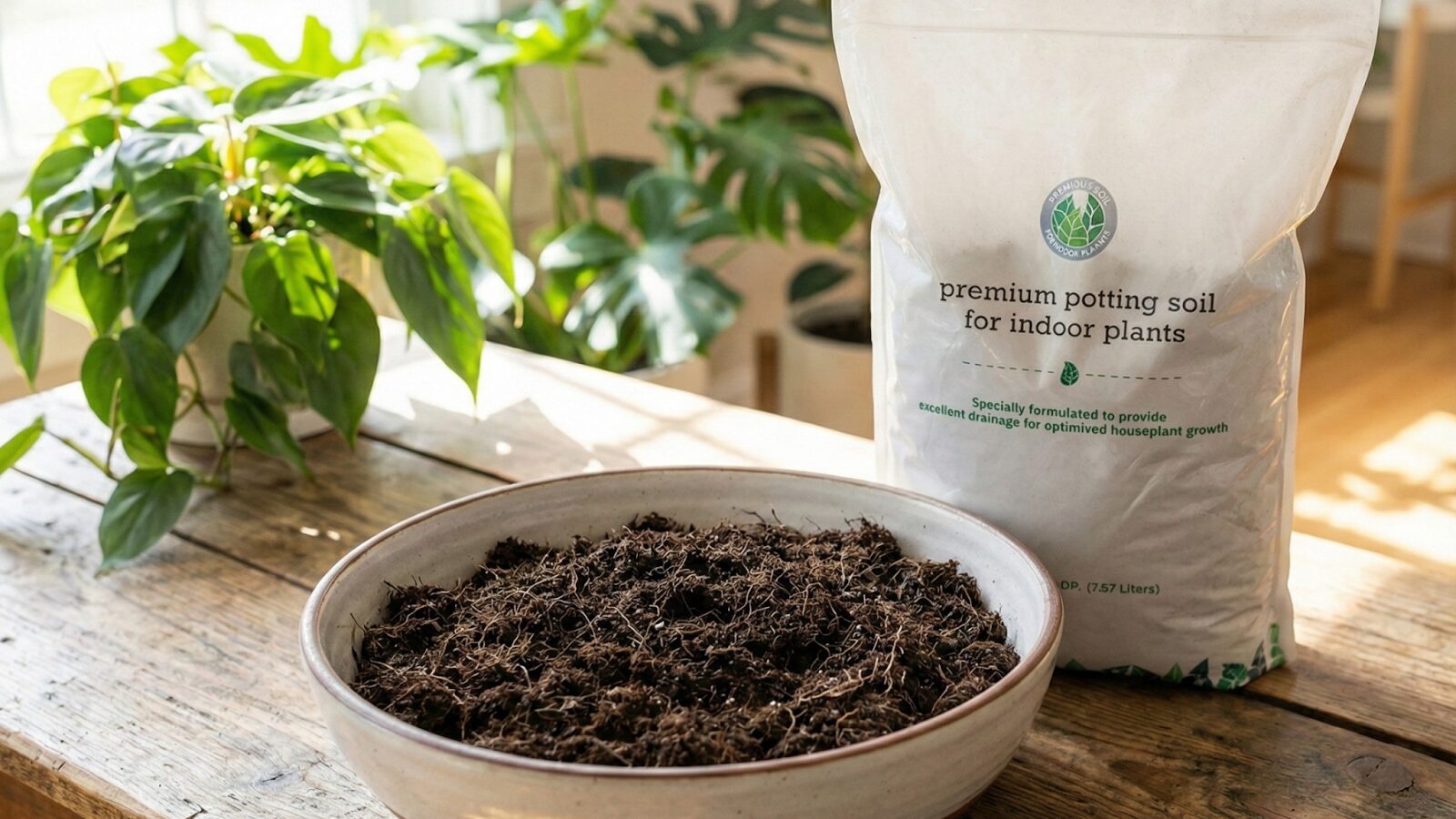
Ingredients We Trust for a Better Growing Mix
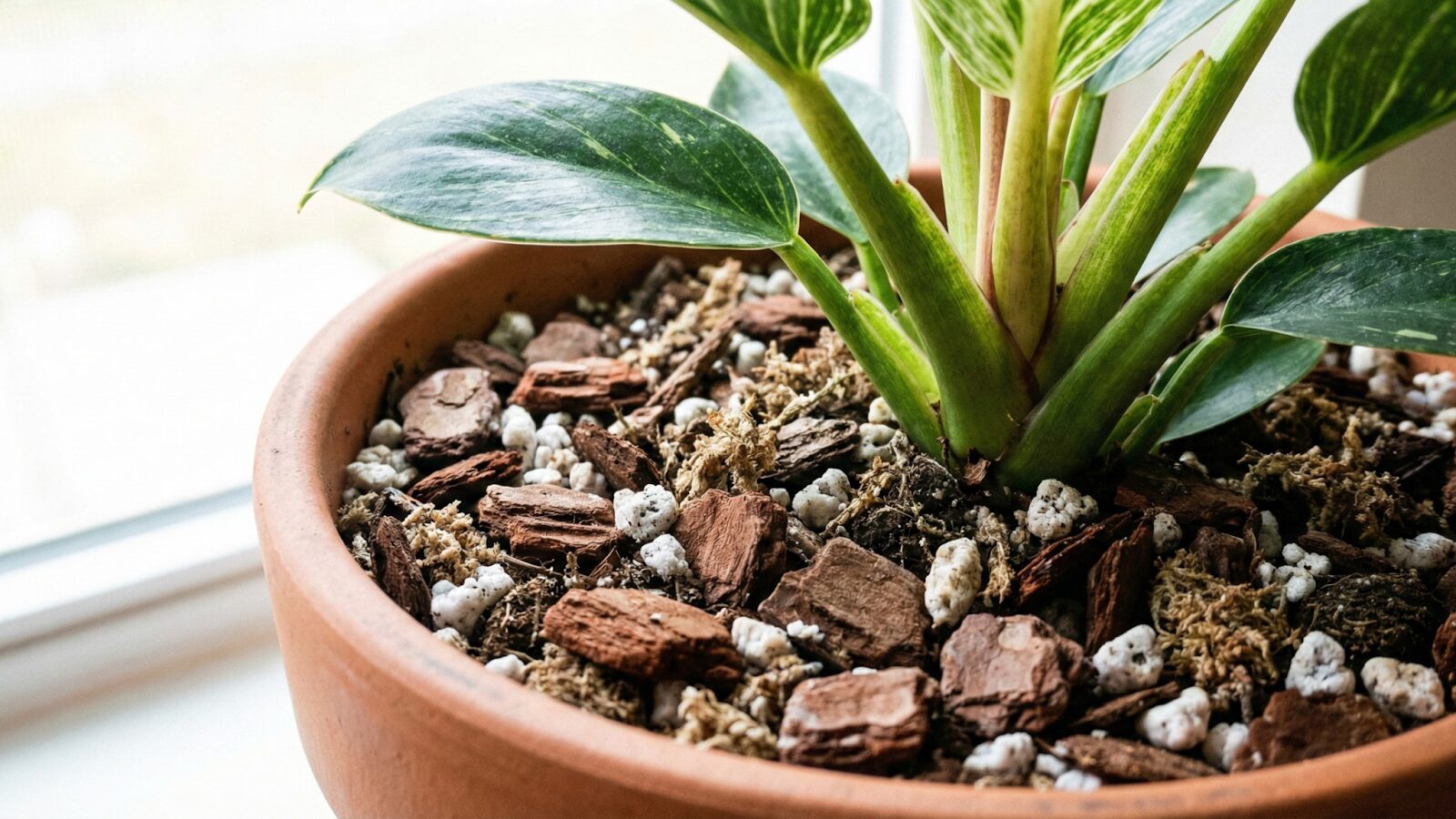
We’ve had the best luck with mixes that bring together structure, airflow, and gentle support. A good philodendron growing medium doesn’t stay wet for long periods or dry out too fast. It holds a bit of water, lets the rest drain off, and gives roots space to breathe.
Here’s what we usually reach for:
- Coco coir for gentle moisture retention
- Orchid bark or chunky pine bark to build space and texture
- Perlite to improve drainage and keep airflow moving
To add a bit of slow nutrition, we often toss in a handful of worm castings or a light composted material. These give our philodendrons a gentle nutrient release without overfeeding, which helps keep the plant going even when we’re not fertilizing much in winter.
On the Houseplant Resource Center shop, you’ll find a Philodendron Potting Soil Growing Medium, blended specifically to support hydration and root vigor for philodendrons kept in containers. The mix includes premium coco coir, pine bark fines, and horticultural perlite for ideal balance and aeration.
When all those ingredients come together, the mix feels soft and airy but still holds together when lightly squeezed. That’s our sign that the mix is doing its job, balancing moisture and oxygen at the root level.
If the mix feels too tight or dense, you can gently stir in extra perlite or bark to create more air pockets. Mixing by hand lets you feel the texture and decide exactly what your plant needs. Adjusting a handful at a time is usually enough to create a better balance.
When and How to Replace or Refresh the Mix
Even a great mix doesn’t last forever. Over time, ingredients break down, compact, and stop draining well. That’s when we notice things like soggy soil, yellowing leaves, or roots that circle the inside of the pot.
If we’re seeing signs like:
- Roots pushing out through drainage holes
- Water pooling without soaking in
- Soil that stays dense and packed long
Then it’s probably time to repot or refresh the medium. For most philodendrons, we check the mix mid to late winter, so everything’s ready when growth restarts in early spring.
When it’s time to change out the mix, we take care not to shock the plant. We gently loosen the root ball, trim away dead roots, and choose a new container just one size larger. Cold roots are more sensitive, so we avoid washing or soaking them in chilly water. The fresh mix we use should feel barely damp, not wet, to help roots settle in without overwatering.
After repotting, we wait a few days before resuming regular watering. Giving the plant time to adjust to its new surroundings helps reduce stress and encourages new root growth. If the weather is still cold, keep the pot away from drafts and avoid fertilizing until you see signs of fresh leaves.