Calcium vs. Magnesium for Stronger Pothos and Philodendrons
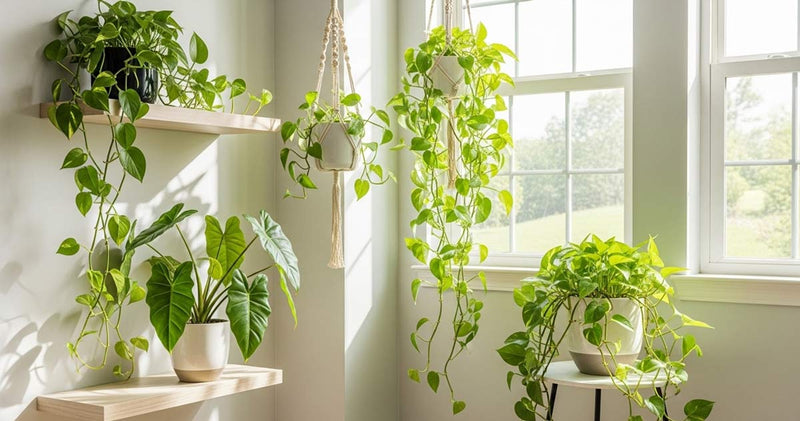

Strong, leafy pothos and philodendrons are not just about N-P-K fertilizer. If my calcium and magnesium balance is off, I start seeing weak stems, pale foliage, curling leaves, and growth that just stalls. I spend a lot of time helping plant parents troubleshoot these “mystery issues,” and again and again the calcium magnesium ratio plants receive shows up as a missing piece.
In this article, I walk through how calcium and magnesium actually work in houseplant soil, how they compete for uptake, what happens when magnesium is too high, and why many mixes already contain more Mg than my plants need. I also tie this into practical care for pothos and philodendrons so I can choose the right pothos plant nutrients and soil amendments with confidence.
When I talk about feeding my houseplants, I usually focus on nitrogen, phosphorus, and potassium. If I ignore the calcium magnesium ratio my plants get, though, my pothos and philodendrons can struggle even when I am fertilizing regularly.
I see Ca and Mg issues show up as:
Over time, I have learned that keeping calcium and magnesium in balance is just as important as getting N-P-K right in any pothos plant nutrients plan or philodendron care routine.

Calcium helps my plants build structure. It is a key part of cell walls, so enough Ca means:
Magnesium sits at the center of the chlorophyll molecule. Without enough Mg, my pothos and philodendron leaves cannot photosynthesize efficiently, so I see:
In potting mixes, Ca and Mg are both positively charged ions, or cations. They stick to charged sites on peat, bark, and other organic particles. I think of these sites as “parking spots”. Calcium, magnesium, potassium, and other cations all compete for the same limited spaces on soil particles and even on root surfaces, which is why the balance between them matters more than just the total amount.

Inside the root zone, Ca²⁺ and Mg²⁺ use many of the same uptake channels. When one is present in large excess, it can crowd the other out. So even if my soil technically contains enough calcium, my plants may act deficient if magnesium is hogging those spots.
When magnesium is too high in my houseplant soil, I typically see calcium deficiency symptoms such as:
This is why overusing Epsom salts or Mg-heavy Cal-Mag products can backfire for me. Even if I am still adding a balanced liquid fertilizer, flooding the root zone with extra Mg can quietly damage the calcium magnesium ratio my plants need and trigger Ca problems that look mysterious until I zoom out.

Many common potting mix ingredients already bring magnesium to the table. Peat-based blends, some bark blends, and mixes buffered with dolomitic lime often start out with adequate or even high Mg levels.
On top of that, I may be adding even more magnesium through:
All of this quietly builds up in containers, especially when I am not flushing pots often. When I evaluate pothos plant nutrients or philodendron houseplant care, I try to:
Growers sometimes talk about Ca:Mg ratios in parts per million or base saturation. For most container setups, a broad target of about 3:1 to 7:1 calcium to magnesium usually keeps plants happy. I do not chase exact lab numbers at home, but I keep the principle in mind.
For my decorative pots that house pothos and philodendrons, I mirror those healthy container ratios. The key for me is to avoid stacking magnesium from multiple sources and to favor amendments that boost calcium without automatically adding more Mg.
For my own pothos and philodendrons, I treat Cal-Mag as a support tool, not a default add-on every watering. I usually:
I link symptoms to action:
Then I fold Cal-Mag into my bigger pothos plant nutrients plan, timing it on non-fertilizer waterings so I am not dumping multiple high-salt products in the soil at once.
Not all Cal-Mag formulas are designed for potting mixes. Some are built for hydro systems, or they carry a Ca:Mg ratio that favors magnesium, which is the opposite of what many of my houseplant containers need.
Red flags I watch for include:
For pothos and philodendron houseplant care, I usually prefer:
I also flush containers every month or two, running a generous amount of plain water through the soil to wash out built-up salts and keep nutrients, including Ca and Mg, in a more balanced range.
I only add Cal-Mag to my pothos when I see clear signs of deficiency or know my water and fertilizer are low in calcium, and I avoid extra magnesium if the mix already includes dolomitic lime.
I look for distorted, crinkled, or stubby new leaves, weak stems, and brown tips on fresh growth while older leaves may stay relatively normal.
I use Epsom salts sparingly and only when I am confident magnesium is low, because frequent use can push Mg too high and trigger secondary calcium deficiency.
I usually flush pots with plain water every one to three months to wash out excess salts and help rebalance calcium and magnesium near the roots.
Sometimes a better fertilizer helps me, but if my potting mix or water is already skewed, I also rely on targeted amendments like gypsum or dolomitic lime and regular flushing to restore balance.

If you are ready to turn your pothos from just surviving to truly thriving, we are here to help. At Houseplant Resource Center, we have taken the guesswork out of pothos plant nutrients so you can feed your plant with confidence. Start using a consistent, balanced feeding routine today and watch your pothos respond with fuller vines and richer color. Take the next step now so your plant can reach its full potential.


We are an Amazon Certified Small Business! Small businesses are the backbone of the US economy; they create jobs and drive innovation. We appreciate YOU helping small businesses on Amazon!