Why Your Citrus Tree Isn’t Fruiting and How I Fix It
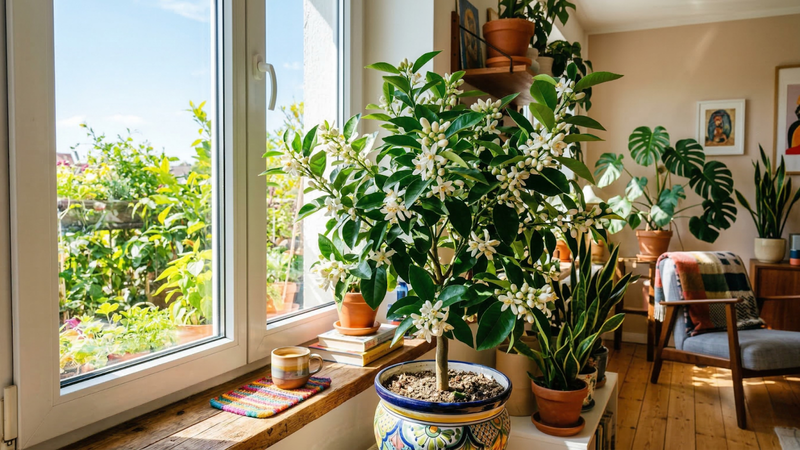

Citrus that blooms like crazy but never gives more than a marble-sized fruit is frustrating for me, especially when I feel like I am doing everything right. If my potted citrus tree looks healthy and leafy, why is it not producing fruit the way I hoped? The good news is that citrus is not mysterious; it just has a very particular checklist, and once I match that, fruit usually follows.
In this article, I walk through how citrus flowers, fruit set, and fruit drop actually work, why citrus flowers drop before fruit forms, and how light, watering, and nutrients all tie in. I focus on how I use good indoor plant habits to grow better citrus in containers and keep my soil mixes nutrient rich so my trees have what they need to set and hold fruit.
Citrus trees go through a cycle that looks simple on the surface, but they play by their own rules. Buds swell, open into fragrant white flowers, then, if things go well, each pollinated flower becomes a tiny green fruit. The catch is that a healthy citrus will intentionally shed a lot of those flowers and baby fruits so it only keeps what it can support.
I expect to see:
That means the first sign of loss is not always a crisis. I remind myself that citrus is simply more demanding than most foliage plants, but the big three still rule:
When I think about citrus, I like to start with what already works in my general houseplant care, then adjust upward for this more demanding tree. My potted citrus thrives when I give it the brightest light I can offer, usually a south- or west-facing window where it gets several hours of direct sun, plus some supplemental grow lights if my room is dim.
I make sure the potting mix is loose and airy with added perlite and a bit of compost or worm castings for extra nutrients, and I water when the top inch of soil is dry but before the entire root ball dries out. I also use a balanced fertilizer that supports fruiting and refresh the potting mix every year or two to keep nutrients available. This same approach to light, water, and nutritious, well-aerated soil becomes the foundation for growing strong, fruiting citrus in containers.
When I see a citrus tree not producing fruit, I usually find one or more of these culprits:
I troubleshoot with the same simple mindset I use for any struggling houseplant: I do not start with exotic fixes; I ask about light, water, and potting mix. Citrus needs the same basic detective work, just with a bit more precision.
Here is the simple checklist I use first:
When I tune these basics, many fruiting issues begin to correct themselves over the next bloom cycle.
Citrus flowers dropping before fruit forms can be normal, but sometimes it is a sign my tree is stressed. Natural thinning is the tree protecting itself from overworking. Environmental shock, like a sudden move or temperature swing, and water stress, from soil that is too dry or too wet, can cause heavier flower drop than usual.
I watch for these warning signs:
I look at the whole picture, including recent changes in my home or my care routine. Overwatered citrus can show yellow, droopy leaves and mushy roots, while underwatered ones can get dry, curling leaves and crispy tips, with buds and tiny fruits dropping when stress is high. If my citrus has just gone through a rough patch, I focus on stable care now so the next bloom cycle has a better chance.
Potassium is a big deal for blooming and fruiting. It helps flowers form properly and supports fruit development and overall resilience. Magnesium keeps leaves deep green and helps chlorophyll do its job, which powers photosynthesis and gives the tree the energy to flower and fruit. Micronutrients like iron, manganese, and zinc keep the whole system balanced so growth does not stall or get distorted.
In my own container citrus soil mixes, I like to:
For my potted citrus trees, I build a mix from high-quality potting soil, extra perlite or pumice for drainage, and a handful of worm castings or compost for slow-release nutrients. When I want to keep the soil nutrient rich over time, I top-dress with worm castings every few months, or I use a gentle organic fertilizer according to the package directions so my trees always have something to draw from.
Overwatering can look a lot like nutritional stress. Pale or yellow leaves might push me to add more fertilizer, but if the soil is consistently soggy, the roots cannot actually use what is there. I always check:
I build a mix for citrus that feels familiar from my other houseplants but tuned to this tree’s needs:
Age is another key piece. Young citrus trees often bloom lightly or drop almost all their fruit. Grafted trees can fruit relatively early if conditions are right, while seed-grown trees can take many seasons before they settle into regular fruiting. I spend the early years prioritizing:
As the tree matures, I adjust my expectations. I look for a pattern in its blooming season, then match my fertilizing and watering schedule to support that rhythm instead of fighting it.
To keep my container citrus soil nutrient rich, I rely on a few simple amendments tailored to these fruiting trees. I like to start with an all-purpose potting mix and then adjust it to match citrus preferences for drainage and consistent nutrition.
For potted citrus, I usually:
For larger or older citrus trees that appreciate more aeration, I often:
I find that these amendments help keep my citrus soil from becoming depleted, which supports healthier leaves, stronger roots, and better flowering and fruit set. Loose structure, steady nutrition, and regular refreshes of the potting mix every year or two keep my trees vigorous and ready to fruit.
When I line up my plant habits, citrus is not as different from my leafy houseplants as it first appears. The same consistent light, tuned-in watering, and nutrient-rich soil that keep my indoor plants thriving will support citrus fruiting. The main difference is that citrus is less forgiving when I miss the mark.
I like to think in seasons:
By treating my citrus tree as part of my broader houseplant collection, I use what I already know about good indoor plant care. Stable, thoughtful routines set me up for fewer dropped flowers, better fruit set, and a healthier, more productive citrus collection over time.
I usually trace this back to low light, lack of pollination indoors, or a tree that is still too young or stressed to hold fruit.
I gently brush the inside of each open flower with a small paintbrush or my fingertip and move from flower to flower to transfer pollen.
I water when the top inch of soil feels dry but before the root ball dries out completely, adjusting based on season and light levels.
I prefer a citrus or fruiting-plant fertilizer that is higher in potassium and includes micronutrients like magnesium, iron, and zinc.
I see this when my tree is naturally thinning excess fruit, or when it is stressed by temperature swings, water issues, or sudden changes in its environment.
At Houseplant Resource Center, we share exactly what works so you can enjoy healthy, productive citrus without stressing over mistakes. Use this guide to fine-tune your routine and catch issues early, before they turn into real problems. Start applying these simple tips today so your citrus can grow stronger and fruit more reliably all year long.


We are an Amazon Certified Small Business! Small businesses are the backbone of the US economy; they create jobs and drive innovation. We appreciate YOU helping small businesses on Amazon!