Why My Pothos Struggles Indoors: Light and Placement Troubleshooting
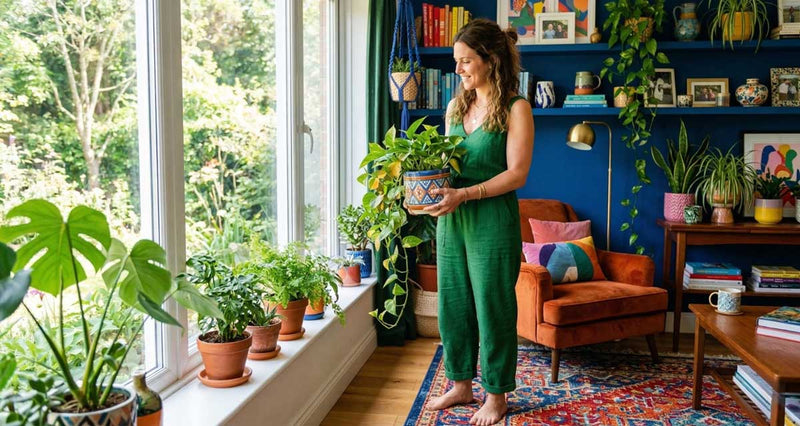

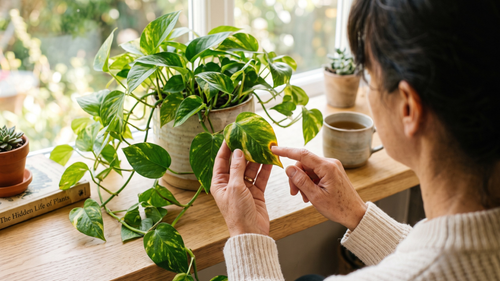
A pothos indoors is supposed to be the easy houseplant. I hear that all the time. But my own plants taught me that an “indestructible” pothos can still yellow, stretch, or drop leaves if the light is wrong. The plant is tough, but it is not magic.
I finally realized the real problem was not the plant; it was how I was reading the light in each room. Window direction, distance from the glass, and seasonal changes all matter. In this post, I walk through how I audit each room, how I tweak placement, and a simple troubleshooting flowchart I use any time a pothos starts looking sad.

Before I move a pothos indoors, I first map my windows. I stand in each room and ask myself, “Which way is this window facing?” A quick phone compass or even the sun’s path helps me figure it out.
Here is how I think about window direction for pothos:
I then use simple tests to read the light. I like:
“Bright indirect” light is my sweet spot for pothos indoors. That means the room is well lit, but the sun is not blasting directly on the leaves for hours. I also pay attention to hidden light blockers. Things like roof overhangs, trees, tall fences, next-door buildings, tinted glass, and even thick sheer curtains can cut light more than I think. Two rooms with the same window direction can feel totally different because of these details.
Once I understand my light, I place my pothos room by room. I keep it simple and adjust by distance from the window.
Living room:
If I have a big east or bright north window, I like a pothos:
I skip deep corners and high shelves that sit far from any window. A plant might look cute there, but the light usually is too low.
Bedroom:
I treat bedroom windows like living room windows, but I am extra careful about drafts from winter windows or AC units. A pothos hanging from a shelf near an east window does well, as long as the vines still see the sky, not just the wall.
Kitchen:
Over-the-sink spots are classic, but they can be tricky. Often, cabinets above the sink block light. I ask myself:
If not much sky is visible, I move the pothos closer to the window or use a small grow light.
Bathroom:
A pothos loves humidity, but it still needs light. A windowed bathroom with frosted glass can be perfect, especially near an east or west-facing window. A bathroom with no windows, though, is not enough on its own. For that, I only keep a pothos if I pair it with a grow light on a timer.
Home office:
This is where I see the most “dark corner traps.” Desks pushed into the middle of the room, shelves on interior walls, and plants behind monitors all get less light than I think. When vines are long with tiny leaves, I move the plant closer to the window, usually within 2 to 6 feet.

My light is not the same in winter as it is in summer. I noticed that once I started watching my windows more closely.
In winter, days are shorter and the sun sits lower in the sky. That often means:
In bright summer months, afternoon sun can get sharp and hot. South and west windows that were perfect in winter can suddenly scorch leaves. That is when I see pale patches or crispy edges.
So I made a simple “seasonal movement plan”:
Typical seasonal symptoms I tie to light and watering:
When a pothos indoors looks off, I start with what I see. Then I follow a little mental flowchart.
Once the light and placement feel right, I support the plant with good soil, balanced fertilizer during active growth, and basic tools like moisture meters so watering is less stressful.

I now do a quick “light audit” of my home a few times a year. I walk from room to room, notice where the sun falls, and move my pothos before they start complaining. Instead of blaming the plant, I ask myself, “Is this really bright enough?” and adjust light, direction, and distance first, then fine-tune water and soil.
I use the same audit and troubleshooting flow for my other tropical houseplants too. Once I figured out how to read my rooms, my pothos indoors truly became low-stress plants.
I usually aim for 2 to 6 feet from a bright window with indirect light, closer to dim north windows and a bit farther from intense south or west windows.
I only keep pothos long-term in windowless rooms if I use a good grow light on a regular schedule.
That usually tells me it needs more light, so I move it closer to a window or add a grow light and prune back leggy stems.
I skip strict schedules and water when the top 1 to 2 inches of soil feel dry, which changes with season and light.
I let my pothos get gentle early-morning or late-afternoon sun, but I avoid strong midday rays that can scorch and bleach leaves.

If you are ready to get the lush, trailing growth you want from your pothos, let us help you give it the nutrition it needs. At Houseplant Resource Center, we created a gentle, balanced formula specifically for growing healthy pothos indoors. Add it to your regular watering routine to support richer color, faster growth, and stronger vines. Start today so your plant can recover from stress, fill in bare spots, and become the centerpiece of your indoor jungle.


We are an Amazon Certified Small Business! Small businesses are the backbone of the US economy; they create jobs and drive innovation. We appreciate YOU helping small businesses on Amazon!