How I Choose the Best Fertilizer for Blueberry Bushes in Pots and Beds
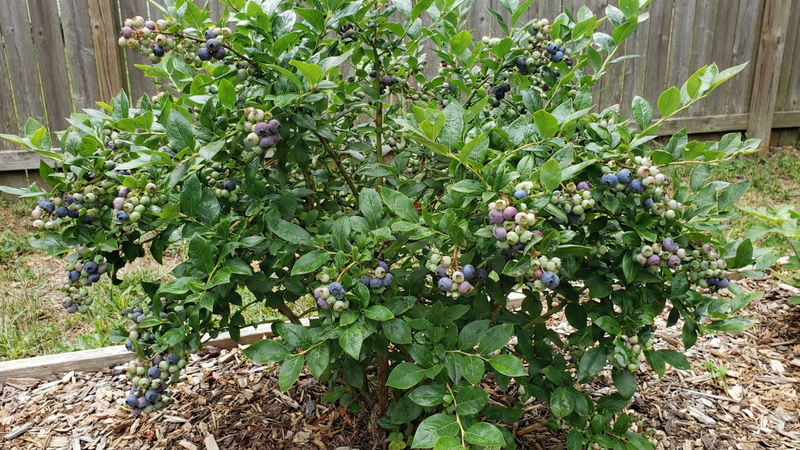


Blueberries are picky in the best possible way. If I give them what they want, they reward me with buckets of sweet, deep-blue berries. But if I treat them like roses, tomatoes, or the rest of the garden, they sulk, yellow, and stop producing. That is why choosing the best fertilizer for blueberry bushes is less about a fancy product and more about understanding what these plants actually need.
Blueberries have shallow, fibrous roots that sit right near the surface and they naturally grow in acidic, low-fertility soils. They are happiest in soil with a pH between about 4.5 and 5.5, which is much more acidic than what most garden plants prefer. When I pick fertilizers, I focus on supporting that acidity and feeding gently. I also treat blueberries in pots a little differently from bushes growing in beds, so I will walk through both.
Most all-purpose fertilizers are built for the average garden, not for acid-loving plants. Their N-P-K ratios tend to be balanced or higher in phosphorus, and they often rely on nitrate-heavy nitrogen. That mix works fine for many shrubs and vegetables, but it is not a great match for blueberries.
When I see a standard all-purpose fertilizer, I expect:
For blueberries, that can cause problems. Too much phosphorus can tie up other nutrients, and nitrate-based nitrogen can raise soil pH over time. When I have used general-purpose fertilizers on blueberries, I have seen:
So while it is tempting to use one product on everything, my blueberries usually tell me very quickly that all-purpose fertilizer is not the best fertilizer for blueberry bushes.
 Why I Prioritize Low-Nitrate Nitrogen
Nitrogen comes in different forms. For blueberries, the form matters as much as the amount. Nitrate nitrogen is common in general fertilizers, but blueberries strongly prefer nitrogen in ammonium-based or urea-based forms. That preference is tied to how their roots evolved to absorb nutrients in naturally acidic, organic-rich forest soils.
When I pick a product for blueberries, I scan the label for nitrogen sources such as:
Using these low-nitrate sources does a few important things for my plants:
This is one of the biggest reasons the best fertilizer for blueberry bushes rarely looks like the fertilizer I use on the rest of the yard.
 How High-Phosphorus Can Block Iron
Blueberries love iron but they are very sensitive to how easily they can take it up. High phosphorus levels in the soil can interfere with iron uptake, even when there is technically enough iron present. So I can be feeding faithfully and still end up with nutrient deficiencies.
The classic symptom I watch for is iron chlorosis: new leaves turn yellow while the veins stay dark green, giving a striped look. On blueberries, this often starts at the tips and can move backward along the stem if I do not correct it. Growth slows, leaves may drop early, and fruit production can stall.
To avoid that, I:
When I respect that balance, the iron I supply, either in the soil or from specialized products, can actually reach the plant. That is a big part of keeping leaves lush and green.
Blueberries in containers play by different rules than blueberries in garden beds. Potting mixes drain faster, nutrients wash out more easily, and the limited soil volume means salts from fertilizer can build up quickly. That combination makes container plants more vulnerable to fertilizer burn and sudden pH swings.
For potted blueberries, I like:
In-ground, blueberries have more soil to buffer their roots, so I lean on:
I often use the same type of fertilizer for both, but I dilute more for pots and pay closer attention to how quickly the soil dries out and how the leaves respond week by week.
When I am hunting for the best fertilizer for blueberry bushes, the label is my roadmap. I start with the N-P-K ratio on the front, then read the guaranteed analysis on the back to see exactly where that nitrogen, phosphorus, and potassium come from.
Key signals I look for include:
I also decide between liquid and granular forms based on how I grow:
In cooler or shorter growing seasons, I tend to favor slightly faster-acting products and stop feeding earlier so I do not push tender growth late in the season.

I time my feeding to match the plant’s natural growth rhythm. That usually means starting as buds swell in early spring, feeding again in late spring as new growth extends, and, if needed, adding a light midsummer touch-up if the bushes seem tired. I stop feeding by midsummer so the plants can harden off before cold weather.
I adjust amounts based on:
When I apply fertilizer, I:
That step-by-step attention helps me avoid accidental overfeeding, even with a product that is labeled as safe for blueberries.
When I step back, a clear pattern shows up. My non-negotiables for the best fertilizer for blueberry bushes are simple: an acid-friendly formula, low-nitrate nitrogen, modest phosphorus, and slightly different tactics for pots versus in-ground plants. If those boxes are checked, I am already most of the way there.
I always encourage starting with a soil test so I know where my pH sits, and which nutrients might be low. Then I choose fertilizer that fits those numbers instead of guessing. From there, I treat fertilizing as an ongoing conversation with my plants. I watch the leaves, stems, and fruit set, make gentle adjustments, and let the bushes tell me what is working. With blueberries, that is usually the path to bigger, sweeter, and healthier harvests.
I usually feed at bud break and again in late spring, with a light midsummer application only if growth looks weak, then I stop for the rest of the season.
I use coffee grounds only in moderation as a soil conditioner, not as a full fertilizer, and I always pair them with a proper acid-loving plant fertilizer.
I often use the same type of fertilizer but dilute it more and apply it more frequently to containers because nutrients leach out faster in pots.
I like organic options for their gentle, slow-release effect and soil benefits, but sometimes I use synthetic ammonium-based products when I need a more precise, quick boost.
I watch for scorched leaf edges, sudden leaf drop, or overly soft, lush growth, and if I see those signs, I flush the soil with water and pause fertilizing for a while.
If you are ready to see stronger growth and bigger harvests, start by choosing the best fertilizer for blueberry bushes for your plants. At Houseplant Resource Center, we created our formula to support healthy roots, vibrant foliage, and consistent fruiting, season after season. With the right nutrition and a simple feeding routine, your bushes can produce sweeter berries and stay productive for years to come. Let us help you make each growing season more successful than the last.


We are an Amazon Certified Small Business! Small businesses are the backbone of the US economy; they create jobs and drive innovation. We appreciate YOU helping small businesses on Amazon!