Skipping Pothos Fertilizer: Signs, Risks, And Fixes


Pothos has a big reputation as the plant you cannot kill. I love that about them too. That idea made it very easy for me to give them water, a bit of light, and then forget about pothos plant nutrients for way too long. For a while, everything looked fine, so it felt like proof that fertilizer did not really matter.
At first, my pothos looked lush on just water and decent light. The vines trailed, the leaves looked shiny, and I felt pretty proud. Then, little by little, the plant started to lose energy. New leaves came in smaller, vines slowed down, and the whole plant looked tired, especially by late winter when the days were short and gray. Around February, my pothos was already worn out from low light, so skipping nutrients made things even harder on them.
In this guide, I want to share what really happens when I skip nutrients, the early warning signs I now watch for, and how I feed my pothos in a simple, safe way so they stay full and happy all year.
When I stop feeding my pothos, it usually does not crash right away. That is part of the problem. The changes are slow and easy to ignore at first. I see things like:
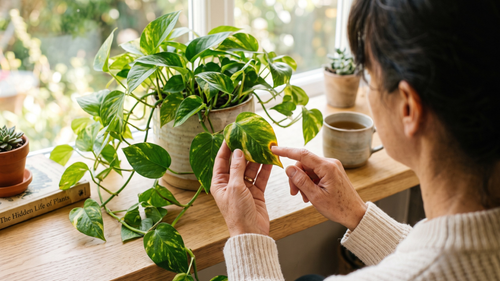
The plant is not dying, but it is not thriving either. Older leaves start to lose that deep green glow. Variegation that used to be bright can fade, so whites look more creamy and yellows look dull. After a while, the whole plant just seems flat and a little worn out.
Under the soil, the potting mix is changing too. Fresh mix has nutrients built in, but a pothos that has lived in the same pot for years slowly uses those up. Every time I water and the water drains, a bit more washes away. Plain water cannot replace what is gone. It keeps the plant from drying out, but it does not refill the pantry.
I feel this most in winter and early spring. Growth is already slower because there is less light. If I keep skipping nutrients as the days start getting longer, my pothos goes into the new growth season with an empty tank. Then, all year long, it never quite catches up.

Lack of pothos plant nutrients often shows up in small, quiet ways before anything dramatic happens. Some of the most common signs I see are:
I also notice textural changes. Leaves get thinner instead of thick and sturdy. Stems feel weaker and flop more easily. The plant wilts faster between waterings because it does not have the strength to bounce back as well.
When a pothos is hungry, it is more sensitive to other stress too. I see that:
To tell if nutrients are the issue, I look for patterns. Nutrient problems often show first on older leaves while new ones come in smaller or pale. I also ask myself:
If it has been months and months since the plant had any feeding and nothing else looks extreme, I usually suspect nutrients.

My feeding routine is simple on purpose. I want steady, gentle support, not big swings. During spring and summer, when light is stronger and growth picks up, I usually feed every 4 to 6 weeks. In fall, I start to space it out more. In winter, I usually stop or give just an occasional light feeding if a plant is still pushing out new leaves under strong indoor light.
I like to explain the basic options like this:
I usually reach for a gentle, balanced liquid because it gives me control. I can weaken the dose and see how the plant responds. My general rule is to start weaker than the label suggests, then adjust if the plant looks like it can handle more.
Here is how I apply nutrients safely:
This helps me avoid fertilizer burn, which can show up as brown, crispy edges on leaves. For pothos grown in lower light, I am extra cautious, because they use nutrients more slowly. As late winter rolls around and days start getting a bit longer, I plan my first light feeding so the plant can ramp up growth without shock.

When my pothos looks rough, I do not reach for a fertilizer bottle first. I move through a quick checklist:
If the soil is old, compacted, or pulling away from the sides of the pot, I often refresh it. I like to repot into fresh, well-draining mix and then add a mild dose of pothos plant nutrients after the plant settles. That gives it both a fresh base and a gentle boost instead of forcing a lot of fertilizer into tired, worn-out soil.
After feeding, I track changes over the next few weeks:
I try to make only one change at a time, and then I wait. If I adjust light and fertilizer at the same time, it is harder to tell what actually helped. By moving slowly, I avoid overcorrecting and stressing the plant even more.
For me, the main lesson is simple: when I skip nutrients, my pothos usually survives, but it rarely looks its best, especially after a long, low-light winter. Feeding does not have to be complicated or stressful. Small, regular habits make a big difference.
Here is a quick checklist I like to follow:
I find that when I treat pothos as more than a set-it-and-forget-it plant, it rewards me with bigger leaves, fuller vines, and a healthier look overall. At Houseplant Resource Center, I love helping other plant lovers understand these simple habits so we can all grow happier pothos at home.

I usually repot every 1 to 2 years, or sooner if I see roots circling the pot or pushing through the drainage holes.
Yes, it can survive, but in my experience it grows slower, with smaller, less colorful leaves.
I like a gentle, balanced liquid made for pothos plants that I can easily dilute and use with regular watering.
Yes, too much can cause brown, crispy edges and stressed roots, which is why I start with weaker doses.
I usually skip or greatly reduce feeding in winter, then start again with light doses as days get longer in late winter and early spring.
If you are ready to boost growth, richer color, and stronger vines, we can help you choose the right balance of pothos plant nutrients. At Houseplant Resource Center, we focus on simple, science-backed care so you always know what to feed your plants and when. Explore our specialized guidance and products so your pothos can stay healthy and resilient all year long.


We are an Amazon Certified Small Business! Small businesses are the backbone of the US economy; they create jobs and drive innovation. We appreciate YOU helping small businesses on Amazon!