Indoor Citrus Tree Care Guide for Healthy Home Harvests
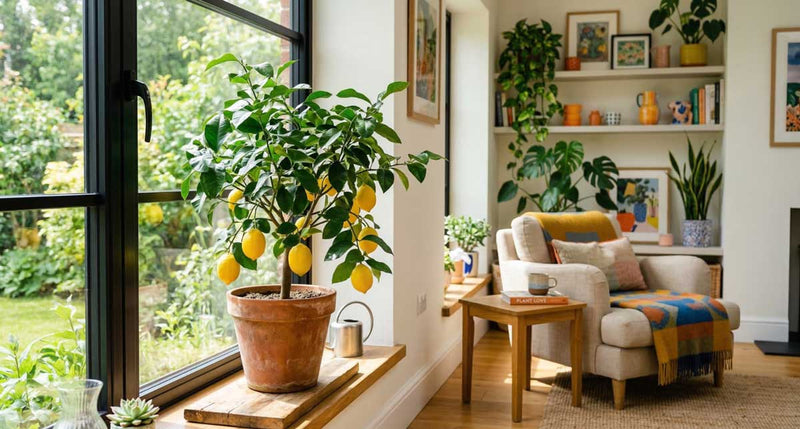

Growing indoor citrus trees at home is absolutely possible, and when I understand how their light and nutrient needs work, I can keep them thriving and even fruiting for years. If I already feel confident with basic watering, I can still be surprised by how much better my citrus looks when I pay closer attention to light, soil structure, and ongoing nutrition. This indoor plant guide is my honest look at what potted citrus trees really need to grow strong leaves, bloom regularly, and set flavorful fruit indoors.
I will walk through how light and food work together for my citrus trees, how I adjust watering, and how I keep my potting mix nutrient-rich with the right amendments. My goal is to help my indoor citrus behave as much like healthy, sun-kissed orchard trees as possible, even on a windowsill, balcony, or bright corner of my home.
Potted citrus trees are often described as "patio-ready" or "easy," but if I ignore their basic needs, they eventually show stress through yellowing leaves, leaf drop, poor flowering, and little to no fruit. They tolerate containers well compared to many fruit trees, yet they still depend on strong light, consistent watering, and a soil mix that drains well without running out of nutrients.
Indoors, I can usually expect:
I like to think of this guide as my own indoor care plan for citrus, focused on balancing three things: appropriate light, thoughtful feeding, and careful watering, with pruning and repotting to support long-term health. When those are dialed in and my soil is supported with amendments, everything else gets easier.

Citrus trees use light to power photosynthesis and fuel both leafy growth and fruit production, but indoor light is weaker and more diffuse than outdoor sun. Even in a bright room, my citrus is often getting much less light than it would in nature under full or near-full sun.
For indoor citrus:
If light is less than ideal and I push heavy fertilizer, that can backfire. I may see:
So my rule is: the weaker the light, the gentler I am with fertilizer, and the more I prioritize improving light. In brighter, well-supported light, I can feed more confidently to support blooms and fruit. In dimmer situations, I feed lightly and focus on giving my tree better light before increasing nutrients.
For light, I usually keep citrus as close to a sunny window as I can. I try to:
I watch the leaves as my guide. Light issues often show up as:
Watering is another key difference between thriving and surviving citrus trees. Citrus roots dislike constantly wet, heavy soil and poor drainage, but they also resent long droughts that fully dry the root ball. I pay attention to:
My general watering routine usually looks like this:
I always water thoroughly until water drains from the bottom, then I empty saucers so roots do not sit in standing water. Every couple of months, I flush extra water through the pot to rinse out fertilizer salts that can build up over time and burn leaf tips or roots.

Indoors, my citrus trees rely completely on the soil I provide in their containers. Over time, regular watering leaches nutrients out of the pot, and there is no access to deep, mineral-rich ground like outdoor trees would have. That is why I pay attention both to soil structure and to added nutrients.
For potted citrus, I like a well-draining potting mix built from:
I want the mix to hold some moisture but still dry out in a reasonable time, usually within several days depending on conditions. Citrus roots need both air and water, and a chunky, well-aerated mix helps prevent root rot while supporting steady growth and fruiting.
To keep my citrus soil nutrient-rich over time, I regularly add amendments and fertilizers that release nutrients at different speeds. This helps my trees avoid sudden nutrient spikes and long stretches with no food, both of which can stress them and reduce fruit quality.
Here are amendments I like to use:
For ongoing feeding, I usually use a balanced, citrus-specific liquid fertilizer or a general houseplant fertilizer that includes micronutrients like iron, magnesium, and manganese. I apply it at a diluted strength, more often during active growth and fruiting, and back off when light is low and growth slows.
Indoors, my citrus trees tend to grow and flower more in spring and summer when days are longer and light is stronger, especially if I open windows or provide a bit of fresh air circulation. I adjust my feeding around the seasons so I am not pushing nutrients when growth is minimal and light is weak.
My typical approach looks like this:
I always avoid fertilizing very dry soil, because that can shock the roots and burn fine root hairs. Instead, I water lightly first, then follow with diluted fertilizer, or I fertilize when the soil is already slightly moist.
My indoor citrus trees usually tell me when nutrient levels are off. I watch for:
When I see these signs, I check my care routine step by step:
If I notice white crust on the soil surface or pot edges, or dry, crispy leaf tips while the rest of the leaf looks okay, that can indicate salt buildup from fertilizer. In that case, I flush the pot thoroughly with plain water, let it drain completely, and give my tree a break from feeding for a few weeks.

To keep my indoor citrus trees happy, I pay attention to a few common issues:
If humidity is an issue, I group my plants together, use a pebble tray under the pot (without letting the pot sit in water), or place a small humidifier nearby, keeping conditions comfortable for myself and for my citrus. I also avoid sudden drafts and big temperature swings, which can cause buds and small fruits to drop.
I aim to give my citrus at least 6 to 8 hours of bright light daily, ideally with several hours of direct sun or a strong grow light to support flowering and fruiting.
I water when the top 1 to 2 inches of soil feel dry, then soak the soil thoroughly and let excess water drain, avoiding both constant sogginess and complete bone-dry cycles.
I prefer a citrus-specific or balanced fertilizer that includes micronutrients like iron and magnesium, used at a diluted strength every few weeks during active growth.
I check for issues with overwatering, poor drainage, low light, or nutrient deficiencies (especially iron), then correct those step by step rather than guessing.
Yes, if I provide strong light, proper watering, and regular feeding, many dwarf citrus varieties can bloom and set tasty fruit right in my home.

If I am ready to give my plants the strong foundation they need, I start with the comprehensive indoor plant guide. At Houseplant Resource Center, I can learn soil basics in simple steps so I can choose the right mix for every plant. I use these tips to avoid common problems like root rot and poor drainage, and to create a thriving indoor jungle with confidence.


We are an Amazon Certified Small Business! Small businesses are the backbone of the US economy; they create jobs and drive innovation. We appreciate YOU helping small businesses on Amazon!