I often think rare plants are the important ones, but I see it a little differently. My most helpful plant in my whole indoor jungle is the simple pothos, because a quick pothos health check tells me almost everything I need to know about my space. When I pay attention to this one plant, I get fast feedback on light, water, humidity, pests, and soil. That means fewer surprises, fewer emergencies, and a calmer, happier plant corner, even in the late winter slump when everything feels a little tired.
In this article, I am sharing how I read my pothos like a report card for my whole collection. I will walk through what I look for, how I do my check step-by-step, and how those clues help me care for my other plants. My goal is to help you feel confident checking your own pothos so your whole indoor jungle can grow stronger and more resilient.
Table of Contents
Reading My Indoor Jungle Like a Storybook
The moment this really clicked for me was during a gray February week, when many of my plants looked a bit dull. I noticed that my pothos was the first plant to show me that something in the room had changed. Its leaves told me a story before any of my fussier plants spoke up.
With one simple pothos health check, I started getting quick feedback on things like:
• Light, if the vines started stretching or leaves got smaller
• Water, if leaves drooped or yellowed after a watering
• Humidity, if leaf edges turned crispy or thin
• Pest pressure, if I spotted webbing, sticky spots, or strange markings
By tuning in to this one plant, I learned to catch small issues before they turned into full-blown emergencies across my collection. This has been especially helpful in late winter, when days are short, heaters are blasting, and indoor conditions change fast.
Why My Pothos Is the MVP of Plant Health Checks
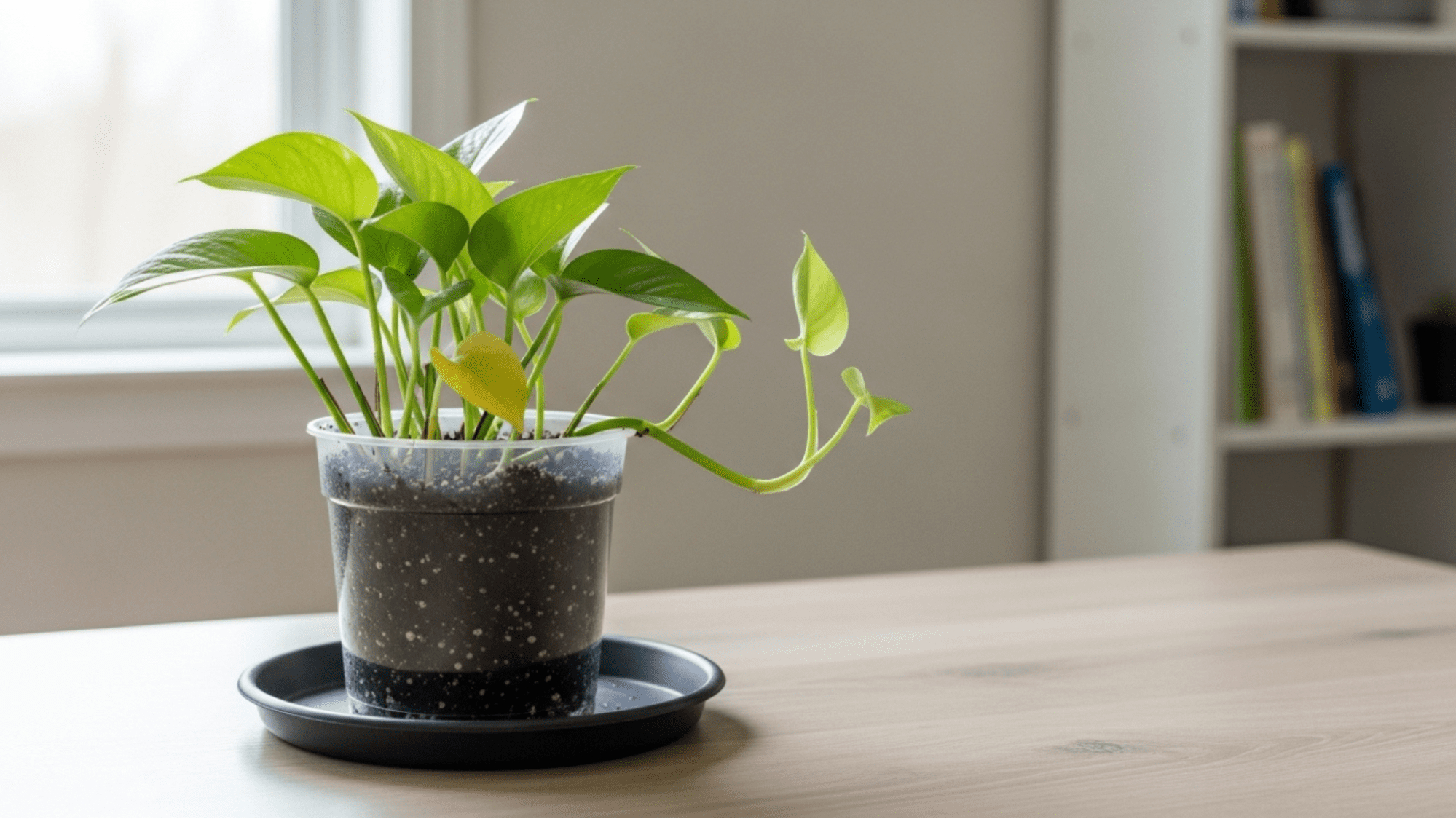
I think of my pothos as my “test plant.” It is hardy and forgiving, so it bounces back from small mistakes. At the same time, it responds quickly when something is off, so I get early warning signs without losing a plant.
Here is why my pothos works so well for this:
• Leaves change color and texture fast when water or light is wrong
• Vines stretch, twist, or lean toward windows when they want more light
• Roots respond clearly to overwatering or poor drainage
• It is usually one of the first plants to show pests in a crowded space
Because of this, I use a pothos health check as a quick monthly ritual, especially in the darker months. When I make time to read my pothos, I get a snapshot of my whole indoor jungle’s health.
My Step-by-Step Pothos Health Check Ritual
I like to move slowly through this, almost like a reset for myself too.
First, I do a visual leaf scan. I look at:
• Color: rich green, pale, yellow, or patchy
• Texture: firm, limp, crispy, or thin
• Foliage: dull and dusty or clean and glossy
Yellowing or dull leaves can hint at water or nutrition issues. Crispy edges might point to low humidity, especially in heated winter homes.
Next, I check the soil and roots. I press a finger into the soil to feel the moisture. If it is soggy for days, smells sour, or I notice fungus gnats, that tells me the mix might be staying wet too long. If I suspect root rot or crowding, I gently slide the plant from the pot to peek at the roots. White or light tan roots usually look healthy, while brown, mushy roots tell me I need to adjust.
Then I evaluate light and environment. I watch how the vines grow. Are internodes, the spaces between leaves, getting very long? Are new leaves tiny compared to the older ones? That can mean my pothos wants more light. From there, I might:
• Move it closer to a bright window
• Rotate the pot so all sides see the sun
• Adjust watering, since lower light often means slower drying soil
When I want extra consistency, I like using simple tools, such as a moisture meter to double-check watering and basic humidity support to keep the air more plant friendly.
What My Pothos Tells me About Water, Light, and Nutrients
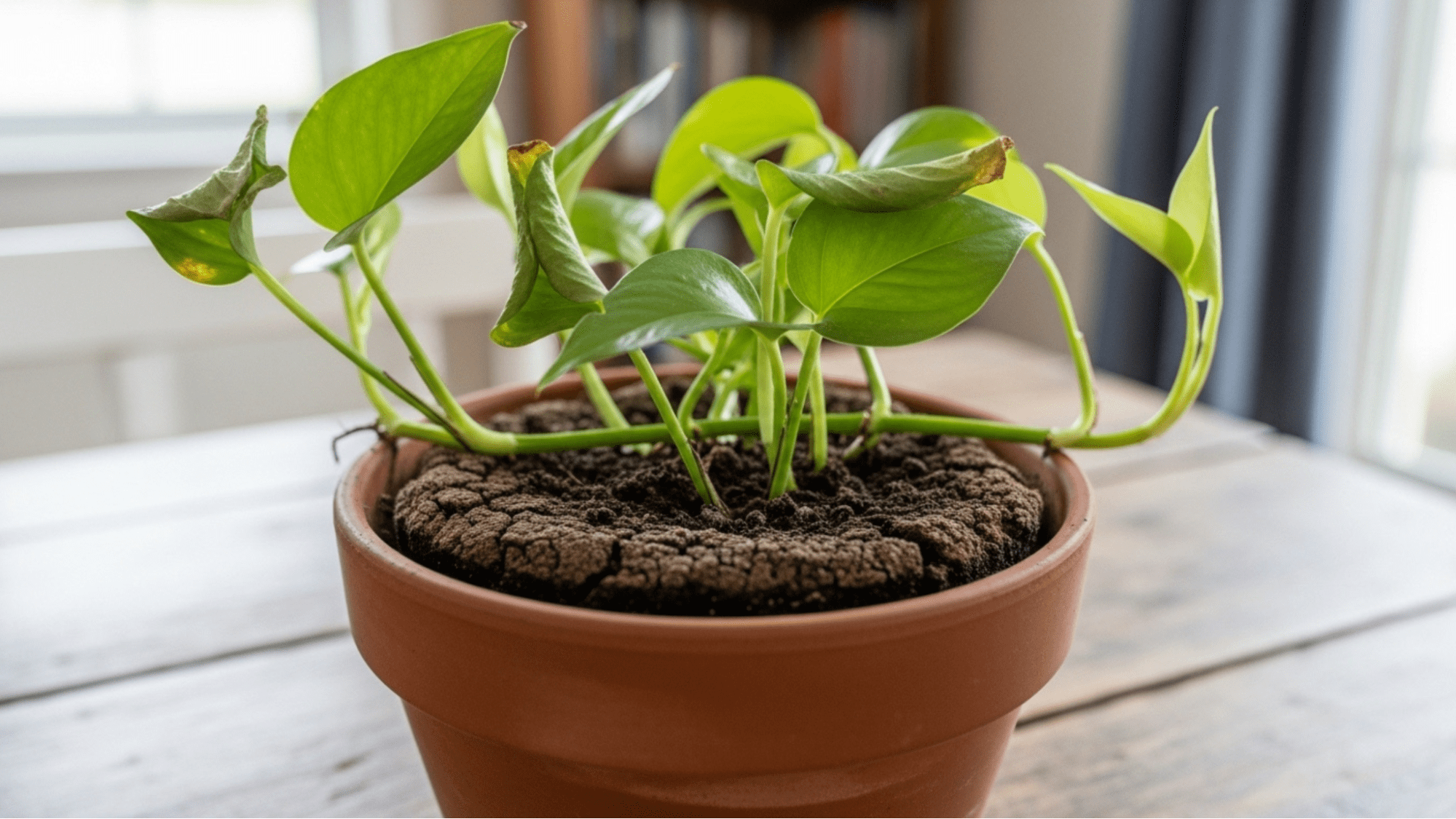
Water is usually the first thing my pothos talks about. Overwatering often shows up as yellow leaves that fall off easily, soft stems, and soil that never really dries. Underwatering tends to give me droopy vines that perk up after a drink, and sometimes dry, brown tips.
Once I understand what my pothos is telling me, I adjust my watering habits for the rest of my plants too. If the pothos is staying wet too long, I know the whole group probably needs less water or better drainage. If it dries out super fast, I check the others for the same thing.
Light and nutrients show up in the size and color of new growth. Pale, small, or leggy growth often means:
• Not enough light for strong leaves
• Not enough balanced fertilizer over time
So I adjust by brightening the spot, sometimes with grow lights on shorter winter days, and by feeding with a gentle, consistent fertilizer. Right before spring growth kicks in, I do a pothos health check to plan:
• Which plants to repot
• Which vines to prune and propagate
• Where to add more nutrient support
Using Pothos Clues to Catch Pests and Diseases Early
Pests love cozy indoor jungles, and my pothos often meets them first. During my health check, I inspect:
• Leaf undersides for tiny dots, webbing, or cottony bits
• Stems for sticky residue or bumps
• Soil surface for tiny flies or larvae
Spider mites, mealybugs, and fungus gnats all leave clear signs once I know what to look for. If I catch anything on my pothos, I treat it right away and then scan nearby plants too.
I also watch for subtle disease signs like black or dark brown spots, mushy stems, or sudden yellowing across one section of the plant. Those clues tell me it is time to:
• Improve airflow around my plants
• Adjust watering so leaves and soil are not staying soggy
• Clean my tools, and pots more carefully
When I treat my pothos promptly and gently, I often stop problems before they spread to more sensitive plants.
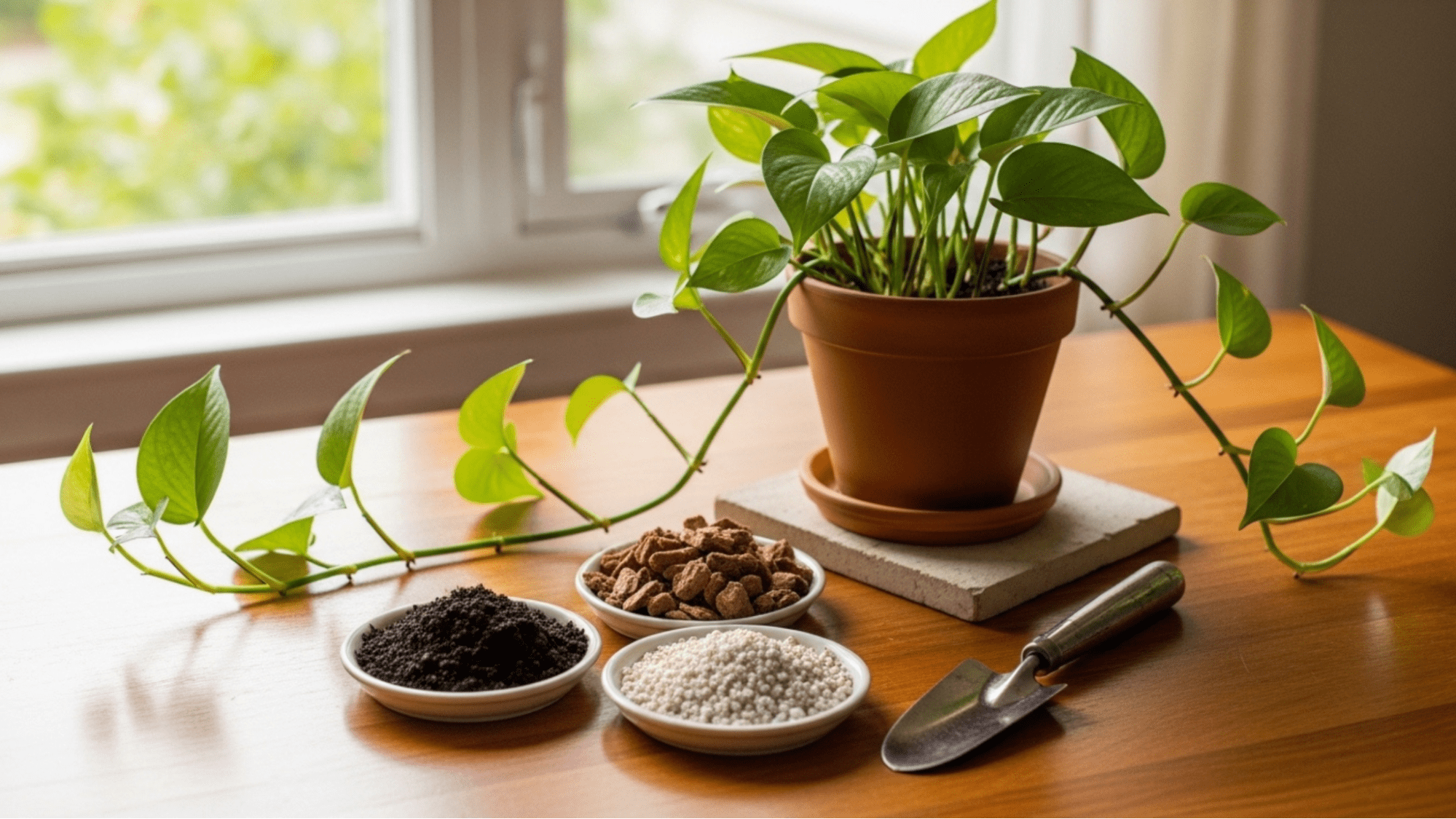
Turning My Pothos Checkup Into a Jungle-Wide Reset
Over time, a regular pothos health check has become my cue to reset my whole indoor jungle. While I am already handling the plant, I like to:
• Dust leaves so they can photosynthesize better
• Refresh the top layer of soil if it looks tired or compacted
• Rotate pots so growth stays balanced
• Regroup plants based on light and water needs
I then turn what I learned from my pothos into a simple checklist for the rest of my collection. If the pothos wants more light, I move other light lovers closer to the window or grow light. If the pothos is overwatered, I pull back watering for plants in similar soil.
This small ritual helps me feel more confident and connected to my indoor jungle. I know I have one trusted plant quietly telling me what is really going on.
FAQ: My Most Common Pothos Health Questions
How often should I do a pothos health check?
I usually do a pothos health check once a month, and more often in winter or anytime I change something in my plant’s environment.
What is the first sign my pothos is unhappy?
For me, the earliest signs are yellowing leaves and droopy vines, which often point to issues with water, light, or roots.
Can a pothos health check really help my other plants?
Yes, my pothos often reacts first to care mistakes, so fixing the issue for my pothos usually prevents problems across the rest of my collection.
Do I need special tools for a pothos health check?
I can do a basic check with my eyes and fingers, but I get better consistency when I use tools like a moisture meter and a gentle fertilizer.
How do I know if my pothos needs repotting?
I look for roots circling the pot, water running straight through, or slowed growth even in good conditions as signs that it is time to repot.
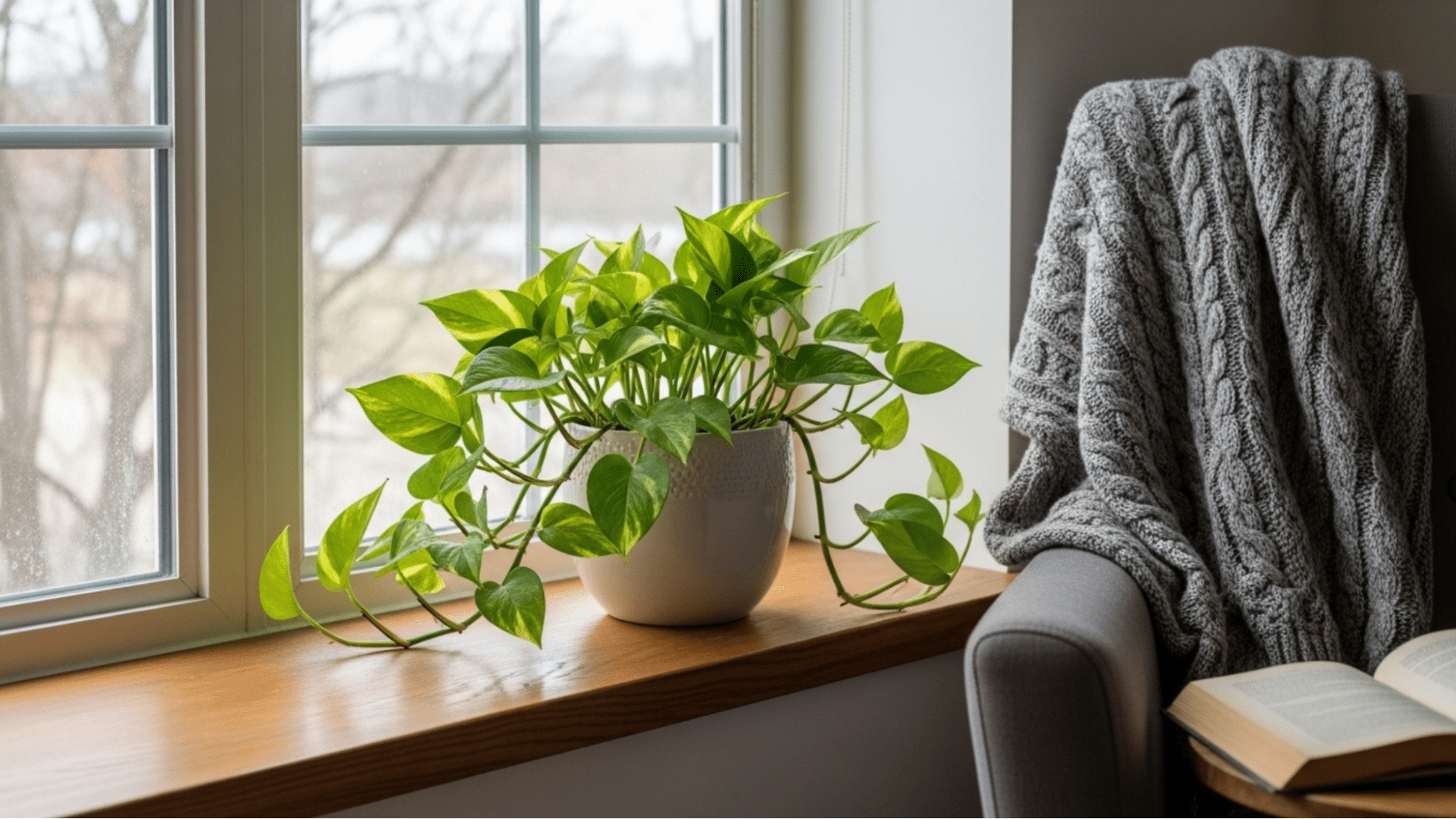
Give Your Pothos The Targeted Care It Deserves
If you are unsure what your plant is telling you, our team at Houseplant Resource Center can help you read the signs. Start with a simple pothos health check so you can spot nutrient issues early and support stronger growth. We will walk you through what to look for in the leaves, roots, and soil so you can adjust watering, light, and fertilizer with confidence. Take a few minutes now to assess your plant so it can reward you with lush, healthy vines all year long.