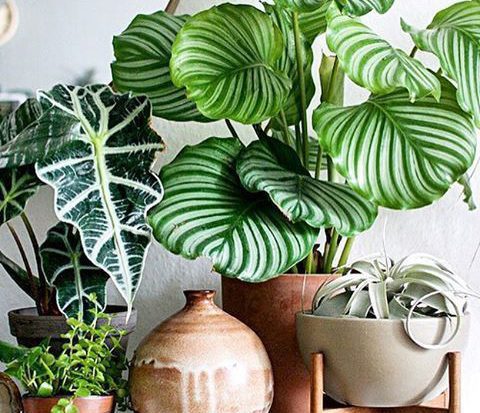
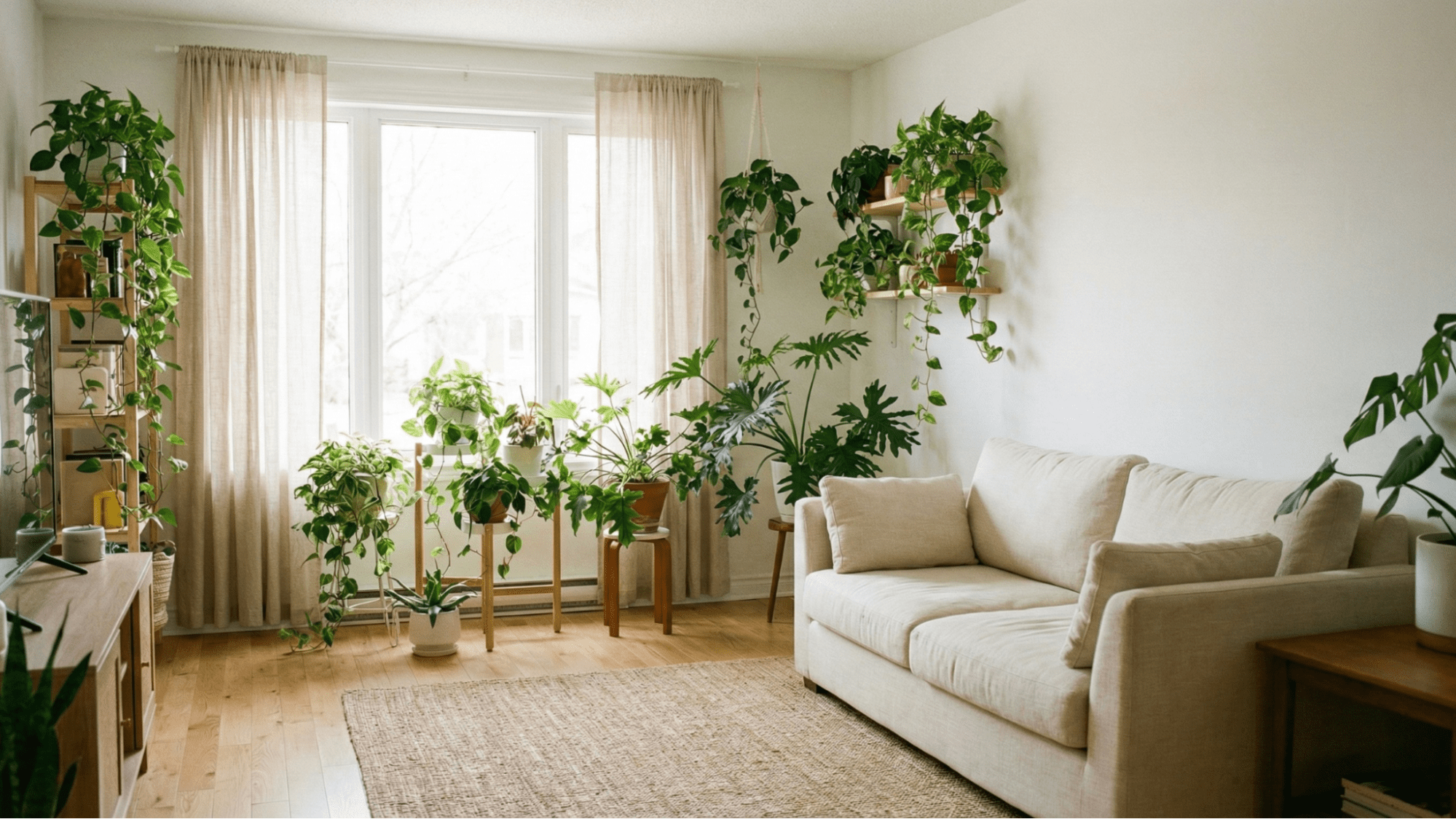
When the days start getting shorter and the indoor air gets a little drier, our houseplants can feel it too. We count on a few simple habits this time of year to keep everything looking green and healthy. This houseplant care guide includes the winter routines we follow in our own home, especially with favorite plants like pothos and philodendrons.
These two are easy to care for, but they still have needs during the colder months. We make small changes to how we water, where we place them, and how we support their roots. We also add in a few natural soil amendments to keep their environment strong without overwhelming them. If you’ve been feeling unsure about how to care for your plants this season, we’ve got you. Here’s what works for us.
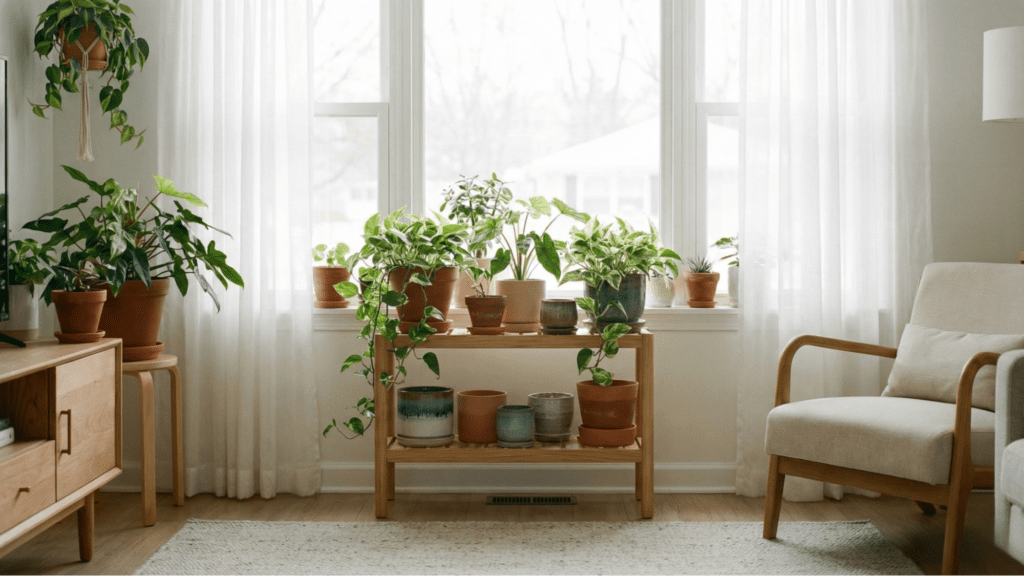
Table of Contents
Light, Water, and Placement: Keeping Indoor Plants Happy in Winter
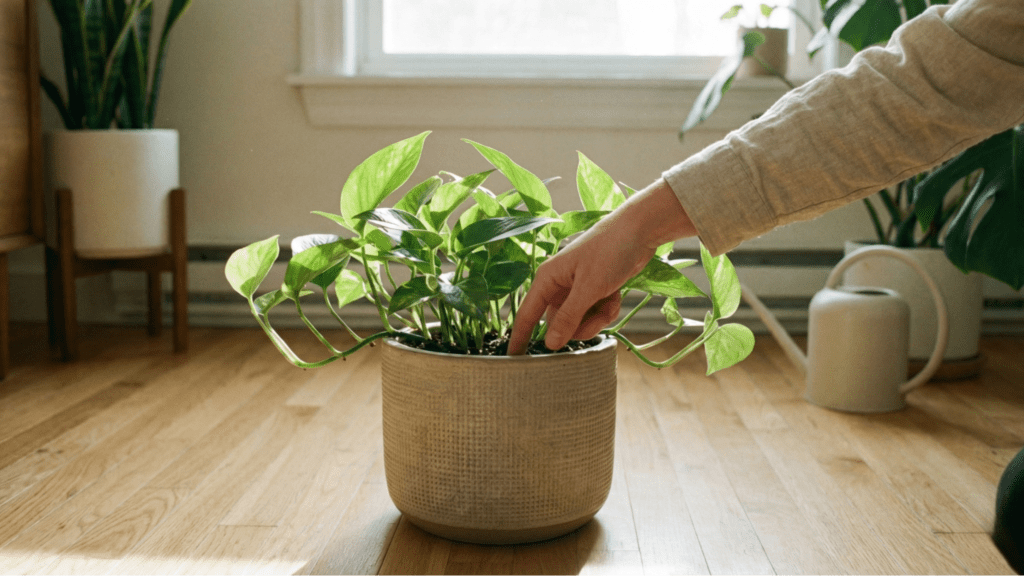
We always start by adjusting how much and how often we water. In winter, most houseplants go into a slower growth phase, which means they use less water. So we check the soil more often but water less. If the top inch of soil feels dry, we’ll give it a gentle soak. If it still feels damp, we skip it.
We also keep an eye on where our plants are sitting. Light shifts during winter, so we slowly rotate our pots every week to help them grow straight and soak up what light they can. South- or west-facing windows are usually best, but if your place doesn’t get much natural light, it might help to pull them closer to a window or use a small grow light.
Pothos and philodendrons are pretty forgiving, but even they can throw signals that something is off. A few things we watch for include:
- Pale, limp leaves (might be a sign of too little light)
- Yellowing leaves near the base (often from overwatering)
- Curling or crispy edges (could mean the air is too dry)
We try not to crowd our plants near drafty windows or place them right next to heaters. A little space and some stable air go a long way.
Soil Health: Easy Nutrient Boosts for Stronger Roots
Winter isn’t always the top time for fast growth, but that doesn’t mean soil health can wait. We’ve found that keeping the soil rich and breathable helps our plants perk up even when the weather outside is chilly.
Once a year (usually in late fall), we check our bigger plants to see if the soil feels compacted or overly dry. If it does, we mix in a handful of organic amendments like worm castings or a bit of composted coconut coir. These help freshen the mix and improve water retention without keeping roots soggy.
To give roots a boost without pushing too much top growth, we like to use a low-strength, indoor-safe fertilizer about once a month. We pick a gentle formula that supports root health and pairs well with our root supplement. That way everything the plant needs is there, even if it’s not doing much growing above the soil.
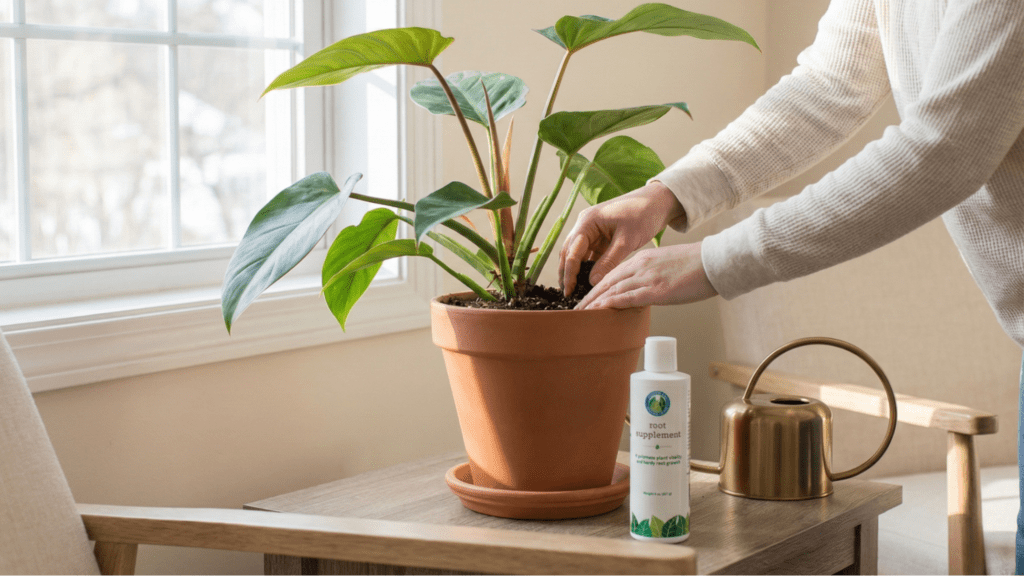
Some of our plants tend to droop after repotting or if they’ve been stressed. That’s when we find our root supplement really helps. It makes a difference during the adjustment period, especially if roots have been bumped around.
The Houseplant Resource Center offers a root supplement that is ideal for indoor plants, which provides targeted nutrients to support root recovery and overall vigor during winter months.
Pothos and Philodendron Cold-Season Care
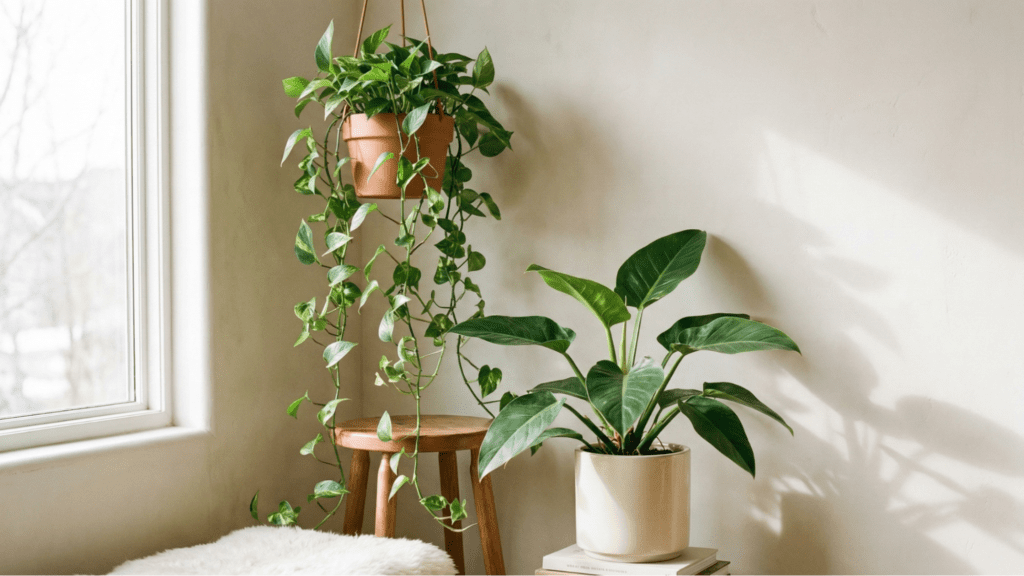
Pothos and philodendrons are two of the easiest plants to keep going through winter. Even then, they have their own seasonal quirks we try to stay ahead of.
What helps the most for ours is giving them steady conditions:
- Bright, indirect light
- Water only when the soil is dry
- Room to trail or grow without crowding
We also do light pruning during winter, but nothing too dramatic. If a stem looks leggy or uneven, we snip just above a growth node to encourage fuller growth later. This helps the plant redirect energy without causing unnecessary stress.
A few mistakes we’ve learned from:
- Letting vines touch cold glass, leaves brown fast when the chill hits
- Overwatering to try to make up for dry air leads to soggy roots
- Ignoring dust buildup, clogged leaves don’t breathe well, especially in dry heat
Both of these plants stay flexible with not a lot of fuss. That’s one reason we include them in our top three beginner houseplants every time.
My Daily and Weekly Indoor Plant Routine
When life gets busy, we try to keep things light. Our daily routine is more of a check-in than a chore. In the mornings, we glance at our houseplants while making coffee or feeding the pets. If something looks off, we’ll check the soil or move the pot slightly for better light.
Once a week, we go a little deeper:
- Moisture check one inch deep, especially for pothos and philodendrons
- Lightly rotate pots to prevent leaning
- Wipe down leaves with a soft cloth
- Trim dead or yellowing leaves
We keep a small basket close by with the basics: pruning shears, a cloth, plant food, and our root powder, so we don’t have to dig around when we have a free moment. Setting up our space like this keeps things doable during the week.
According to the Houseplant Resource Center blog, cleaning leaves not only improves appearance but also allows plants to photosynthesize more efficiently, boosting growth even in lower light conditions.
Common Issues and Quick Fixes That Work for Me
Sometimes our plants let us know when something’s off. That doesn’t mean something big is wrong, but we pay attention and act early.
Here’s how we handle the most common winter issues:
- Yellow leaves near the bottom, usually a sign of too much water or not enough light
- Dry, crunchy tips mean low humidity or too much heat
- Drooping, even if the soil is damp, could still be root rot brewing
To tell if it’s root rot or just soggy soil, we gently tip the plant and check the base. If the roots feel squishy or smell off, we trim the damaged parts and repot in fresh soil with a bit more drainage.
Overwatering used to stress us out, but now we catch it quicker. If that happens, we stop watering for a bit, let the plant dry out in bright light, and sprinkle in a tiny amount of root supplement to help with bounce-back.
A Fresh Start for Your Plants, and Your Space
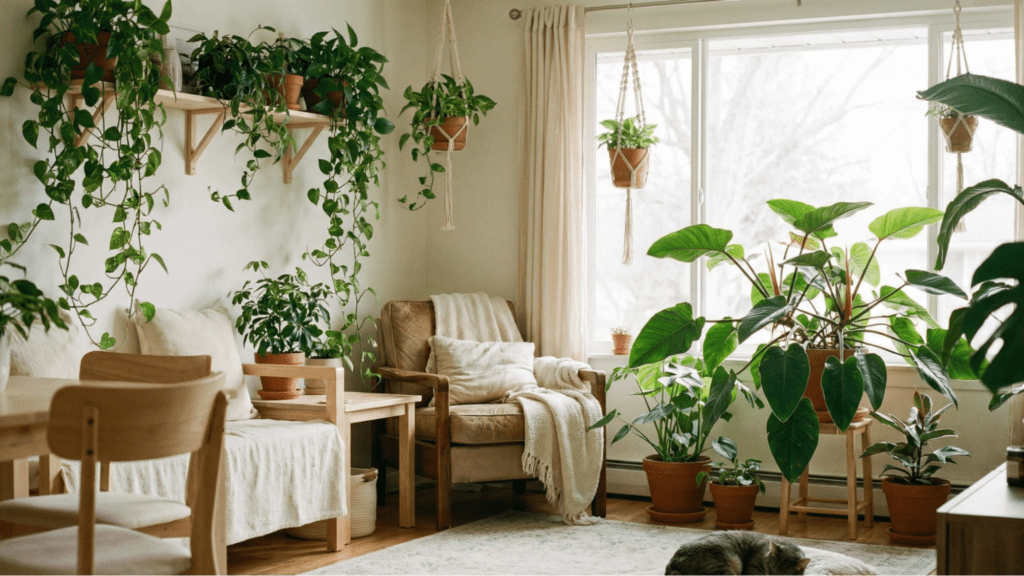
When we stay consistent with these easy routines, our houseplants reward us by staying green, full, and peaceful-looking, even when it’s cold and dark outside. Winter doesn’t have to mean everything slows to a stop. It just means plants change how they grow, and we change how we support them.
Everything we’ve learned from our winter houseplant care is simple but adds up. When we adjust the light, check the moisture, support the roots, and clean the leaves, it helps our space feel calm and fresh again. Whether it’s one plant or ten, these little changes make the season more enjoyable, for us and for them.
Winter is a crucial time to ensure your plants stay healthy, and having the right strategies can make a lasting impact. If you’re eager to nurture your greenery through the colder months, consult the Houseplant Resource Center’s comprehensive houseplant care guide. It’s packed with effective tips and routines that easily fit into your schedule, so you can enjoy a thriving indoor garden all year long. Remember, even small adjustments can lead to big improvements in your plant’s vitality and your home’s atmosphere.