When to Water Your Pothos: Key Signs
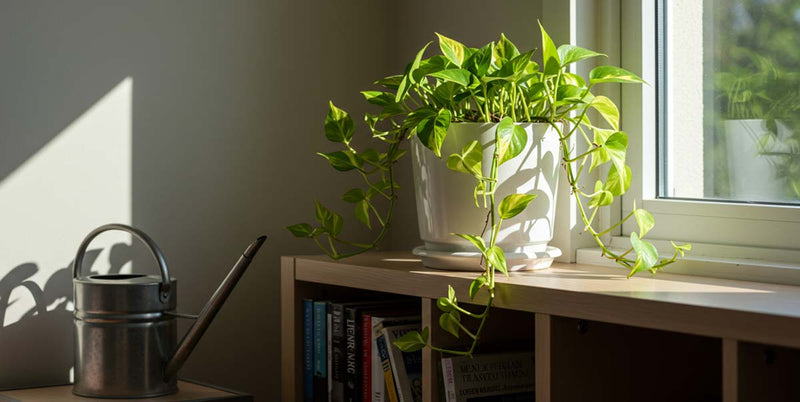

My indoor pothos has always been a trusty little plant. It’s easy, forgiving, and great at letting me know when something’s wrong if I’m paying attention. One thing I’ve learned the hard way is just how much damage an inconsistent or off-target watering routine can do. Whether you water too much or way too little, a pothos will speak up through its leaves, its posture, and even the way its soil smells.
If you're figuring out why your pothos grown indoors isn’t looking its best, watering is often the first place I recommend checking. It's one of the most common areas where things get thrown off. The good news is that pothos are pretty good at bouncing back once they get what they need. Let's talk through some of the signs that might mean it's time to switch up your watering routine.

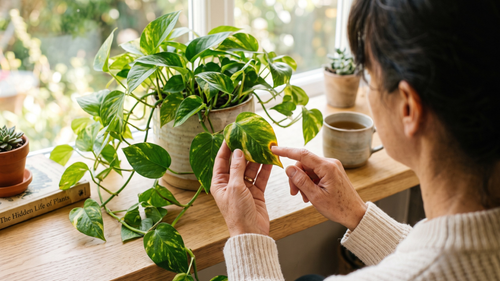
Anytime I see my pothos leaves turning yellow from the base of the plant, I immediately think back to my watering habits. Overwatering is usually the culprit. Even just adding water before the soil has dried out can create trouble over time. That constant moisture chokes out the oxygen that the roots need and can stress the plant more than it lets on at first.
Here’s what overwatering tends to look like in a pothos:
If you’re noticing these things, especially during the early fall months when your plant is naturally slowing down, there’s a good chance it’s getting too much water. The shorter daylight in September, even indoors, means your pothos doesn’t need as much moisture as it did back in summer. This is when I usually start spacing out my watering days just a bit more than I did during warmer months.
I also take a look at the type of pot it's in. If there's no drainage hole or the soil is a dense mix, then water tends to hang around longer than it should. And that’s where problems start.

On the flip side, I’ve gone too long between waterings and come home to find my pothos looking wilted and sad. That droopy vibe usually means it’s thirsty. Once the leaves start curling or drooping like that, it’s a sign the roots haven’t had access to enough water for a while.
Here’s how I spot underwatering in my own pothos:
One way I stay on top of this is by doing the finger test in the soil before reaching for the watering can. I stick my finger in about an inch or two deep. If it’s bone-dry and dusty, I water. If it still feels a little cool and damp, I skip it.
Sometimes I also reposition the plant. If my pothos is near an air vent or drafty window, it might dry out faster than I expect. September cooling weather often means the AC switches off and windows get opened. That can cause conditions to change quickly, even for indoor plants. That’s when I keep a closer eye on things.
Next, I’ll go over what happens when root rot gets involved and how to prevent it. If you’ve ever pulled up your plant and seen brown, mushy roots, you’ll want to stick around.

Root rot is one of those problems I dread and it usually starts quietly. If I water my pothos too often or keep it in soil that doesn’t drain well, the roots sit in soggy conditions. That’s when they can start to break down. Once that happens, the plant can’t absorb water the way it should, and it can start declining fast.
Mushy, brown roots are the biggest giveaway for root rot. The tricky part is, I usually don’t see the roots unless I unpot the plant. So I’ve learned to look for clues up top instead. If the leaves start yellowing even though I’m not overwatering, or if the plant looks limp but the soil is still wet, I get suspicious. Sometimes I even get a faint rotten smell from the pot, kind of like old water. That usually confirms it for me.
To help prevent root issues, I always double-check my pot for drainage holes. If your plant sits in a decorative pot without a hole, place it in a plastic nursery pot inside instead. That way, you can lift it out to dump excess water. I also mix in chunky elements like perlite or orchid bark to give the soil more airflow. Some pothos parents I know use cactus soil for a drier base and then tweak from there with compost or worm castings.
Fall is a good time to re-evaluate the potting mix too. With watering needs slowing down around September, this is when I like to repot or add some drainage amendments if needed. If the soil has compacted or turned spongy, it’s harder for water to drain out. Giving it fresh, better-draining soil makes a big difference.

Once I’ve spotted a pattern, whether my pothos is getting too much or too little water, I start adjusting slowly. Drastically changing your routine can shock the plant. I like to tweak my watering schedule over a couple of weeks by spacing out or tightening up the gaps between waterings. That gives my plant time to readjust.
If I’m unsure, these tricks help me set a better rhythm:
Life gets busy and that's when I used to make the mistake of either overwatering out of guilt or forgetting the plant altogether. That’s when I started using soil amendments that help hold or release moisture more effectively. Coco coir works well for a lighter texture, while vermiculite helps hold some water without drowning the roots.
I also mix in organic matter like compost or worm castings to keep the soil nutrient-rich. That way, my pothos gets small feeding boosts in between fertilizing. During drier months, I sometimes add a root supplement or liquid nutrient mixture to keep things balanced without overfeeding.
Once I figured out how to read my plant’s warning signs and adjust slowly, my pothos got its groove back. The yellow leaves stopped spreading. The droopiness went away. And when I picked up the pot, it had a nice, light feel—not super soggy, not bone dry.
Looking at my plant now, I can tell that a good watering plan does more than just quench its thirst. It sets the stage for real growth. Better leaf color. Stronger stems. More new vines. But it wasn’t about guessing. It was about paying attention and giving it what it needs when it actually needs it.
Pothos really are great houseplants. They’re flexible enough to bounce back from mistakes, but when they’re cared for right, they shine. Staying in tune with their watering needs helps build a routine that works both for the plant and for real life. Whether I’m dealing with a busy week or juggling school drop-offs, knowing what to look for makes all the difference.
Taking care of pothos grown indoors is more straightforward with a little help in the soil department. To keep your pothos happy and thriving, check out our selection of products, including our rich, nutrient-packed indoor plant soil, at Houseplant Resource Center. It’s a great way to make sure your plants get the best foundation for healthy growth and lasting strength.


We are an Amazon Certified Small Business! Small businesses are the backbone of the US economy; they create jobs and drive innovation. We appreciate YOU helping small businesses on Amazon!