Best Citrus Tree Fertilizer Tips for Indoors and Out
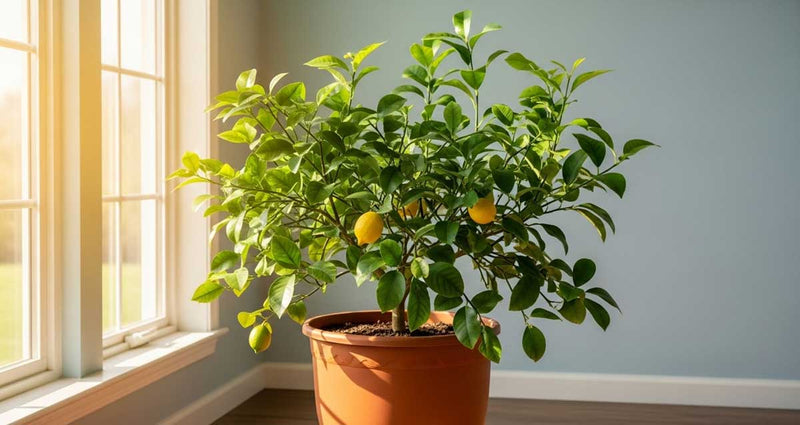

Citrus trees are some of our favorite “statement” houseplants, and they are just as rewarding in the yard. Lemons, limes, and oranges can stay small enough for containers, fill a room with fragrance, and still give real fruit, but they are not forgiving if we get fertilizer wrong. When citrus are hungry, they show it fast with yellowing leaves, poor flowering, and dry, bland fruit.
At Houseplant Resource Center, we have learned that citrus are heavy feeders, whether they live indoors in pots or in the ground outside. Watering and sunshine are not enough on their own. In this houseplants guide, we will walk through what we look for in the best fertilizer for citrus trees: ideal NPK ratios, why phosphorus should stay moderate, why potassium is so important for fruit, which micronutrients to prioritize, and how we adjust our approach for containers versus in-ground trees.
When we read a fertilizer label for our citrus, the first thing we check is NPK: nitrogen, phosphorus, and potassium. Those numbers tell us, in simple terms, how the fertilizer will affect our leaves, roots, and fruit. For citrus, the balance really matters.
Here is how we think about each one in practical terms:
For most citrus, we look for a formula with relatively higher nitrogen compared to phosphorus, with solid potassium in the mix. A balanced citrus-specific product often has:
We avoid very high phosphorus formulas that are often marketed for flowering plants. Too much phosphorus can tie up other nutrients in the soil, so the tree cannot absorb what it needs, even if those nutrients are present. That is why we skip generic, high-phosphorus “bloom booster” products and instead choose fertilizers labeled for citrus or fruit trees that respect that delicate balance.

When we pushed phosphorus too hard on citrus in containers, the results were not pretty. We saw salt buildup on the soil surface, leaves that looked tired and dull, and odd nutrient deficiency patterns even though we were feeding regularly. It is a classic case of nutrient lockout, where excess phosphorus interferes with the uptake of other minerals.
We now keep phosphorus in the moderate range, especially for potted citrus houseplants. That level is enough to support:
To avoid stacking phosphorus, we pay attention to all sources, not just the main fertilizer. Our approach usually includes:
By keeping phosphorus moderate instead of maxed out, our citrus trees stay more responsive to the rest of the nutrient package.
If nitrogen is the “green” nutrient, potassium is what helps us get fruit that actually tastes good. Once we started focusing on potassium, our lemons, limes, and oranges had better color, firmer texture, and more consistent flavor. Potassium supports strong stems, overall plant health, and the movement of water and sugars throughout the tree.
We watch for common signs that our citrus might need more potassium:
When we see those signs, we reach for a fertilizer that boosts K instead of just increasing nitrogen. Our timing matters too. We like to:
We still respect label directions, because too much potassium can interfere with other nutrients. The goal is a strong, steady supply, not constant heavy dosing.
Once we started taking micronutrients seriously, caring for citrus got easier. Iron, magnesium, manganese, zinc, and boron might show up as tiny percentages on the label, but citrus trees are quick to complain when they run short. Indoor citrus, with limited soil volume and frequent watering, can show those deficiencies even faster.
Some classic micronutrient issues we look for include:
We prefer citrus fertilizers that include chelated micronutrients, because those are easier for the roots to absorb, especially in containers. For our potted citrus houseplants, that extra support is key, since the soil can only hold so much and nutrients wash out with each watering.
Container citrus and in-ground trees also have different feeding rhythms. For in-ground citrus, we like slow-release or controlled-release granular fertilizers that break down gradually, because the tree can pull from the surrounding soil between feedings. For houseplants in pots, we often choose:
We adjust based on pot size, soil type, and light. A citrus tree under bright grow lights indoors might need more frequent, diluted feeding than one in a dimmer room. A tree that spends summers outside and winters inside may need its schedule shifted seasonally.

To apply fertilizer without burning roots, we always start by checking moisture. We never pour strong fertilizer onto bone-dry soil. Instead, we:
We also match our feeding schedule to how citrus naturally grows. We feed more in spring and early summer as new leaves and flowers appear, then keep things steady through the main growing period. We cut back or pause in winter if growth slows, especially indoors where light levels drop. Pairing that seasonal rhythm with the houseplants guide mindset of “observe and adjust” keeps our trees happier long term.
Here is how we put everything together:
We want this houseplants guide to be a starting point, not a rigid rulebook. Every home, climate, and growing setup is a little different. When we stay curious, pay attention to what our citrus trees are telling us, and adjust fertilizing gently, we get healthier foliage, more blossoms, and fruit that actually earns its space in our homes and yards.
We usually feed lightly every 2 to 4 weeks during active growth and reduce to every 6 to 8 weeks or pause in winter, depending on light and temperature.
We can in a pinch, but we prefer a citrus-specific formula that includes extra potassium and micronutrients for better fruit and overall health.
We use both, choosing organic for slow, gentle feeding and soil life, and synthetic when we need faster results and more precise control.
Yellowing can come from overwatering, poor drainage, pH issues, or specific micronutrient deficiencies, so we always check conditions and leaf patterns before adding more fertilizer.
Yes, over-fertilizing can burn roots, cause salt buildup, and lead to weak, overly lush growth, so we follow label directions and watch how the tree responds.

If you are ready to turn what you learned into thriving greenery, we invite you to dive deeper with our comprehensive houseplants guide. At Houseplant Resource Center, we walk you through the exact care steps, common mistakes to avoid, and simple routines that fit into a busy schedule. Join us to build your confidence, troubleshoot issues before they get serious, and enjoy a home filled with healthy, beautiful plants.


We are an Amazon Certified Small Business! Small businesses are the backbone of the US economy; they create jobs and drive innovation. We appreciate YOU helping small businesses on Amazon!