Minimalist Plant Decor Ideas for a Calm, Modern Home
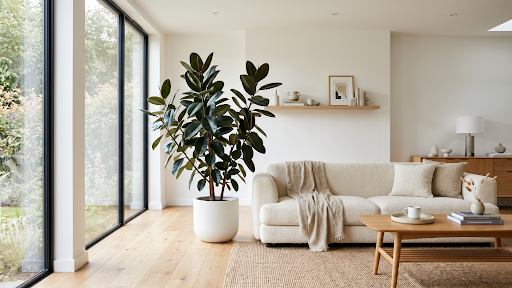

Minimalist plant decor is how I create a home that feels calm, intentional, and easy to live in; it’s not about owning as few plants as possible. When I started simplifying my own spaces with the Houseplant Resource Center, I realized that fewer, better-chosen plants actually made my home feel greener, not emptier. Every plant suddenly had a purpose and a place.
In this indoor plant guide to minimalist decor, I walk through how I choose plants, containers, and styling strategies that feel modern and soothing, while still being realistic for my busy life. I think of this as my practical, plant-lover’s approach to minimalism, where healthy plants, simple routines, and thoughtful design work together instead of competing.

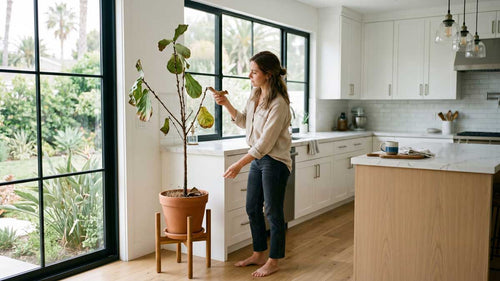
For me, minimalist plant decor means using plants as intentional focal points instead of scattering dozens of them on every open surface. When I edit down to just the pieces I truly love, the whole room feels lighter and more grounded. I notice the curve of a leaf, the shadow a plant casts on the wall, the way a single tree can anchor a corner.
I like to ask myself: does this plant add calm or visual noise? If it feels like clutter, I scale back, regroup, or move it to a better spot. This helps me:
In this guide, I share how I select plants, pots, and routines that fit a minimalist look while still keeping plant care realistic for my real home.
Minimalist decor works best when my plants feel like a cohesive collection instead of a random mix. I start with a simple palette of shapes and colors, then repeat it. For example, I might choose mostly upright plants with clean lines, plus one or two trailing plants for softness.
I like to focus on:
Some of my favorite low-maintenance, sculptural plants for a modern look include:
I always treat a good indoor plant guide as my best friend. Before I bring a plant home, I check:
This way, I buy fewer plants, but each one is more likely to thrive and fit my style.

Minimalist plant decor starts to really click for me when my planters match the mood. I usually choose pots in neutral colors like white, gray, black, or soft clay tones, with clean shapes and little to no ornamentation. The plant is the artwork, and the pot is the simple frame.
Here is what I look for in minimalist containers:
To create harmony from room to room, I repeat the same few colors and finishes. Maybe white ceramic in the living room, then the same white ceramic plus black in the bedroom. That repetition makes everything feel intentional instead of random.
At the same time, I want care to stay easy. I like to pair those beautiful pots with:
Good tools and supplies let me keep the outside minimal while everything inside the pot is working just right.
When I style plants in a minimalist way, I think in terms of a few strong scenes instead of filling every corner. Each room in my home usually gets one main plant moment, sometimes two, and then maybe a small supporting accent.
I like these simple setups:
Vertical space is my secret weapon for keeping the floor clear. I use:
The result is a space that feels full of life but still easy for me to move through and keep clean.

Minimalist plant decor really comes alive in my home when I commit to a simple color story. I usually keep things to greens, whites, natural woods, and blacks. This makes it easy for me to mix different plants without the room feeling chaotic.
To keep it interesting but not busy, I mix just a few textures:
I also pay attention to negative space, the empty areas around each plant. When I leave space between pots on a shelf or give a big floor plant some breathing room, the whole setup feels calmer to me. Minimalism in my home is as much about what I leave out as what I put in.
Minimalist decor in my space loses its calm quickly if my plants are droopy, dusty, or overgrown. So I keep my routines simple and consistent, instead of intense. A quick weekly check-in usually covers what I need.
My basic rhythm looks like this:
I rely on soils and fertilizers made for houseplants so I can water and feed less often, but more effectively. A balanced, slow, steady approach keeps my plants healthy without constant fussing.
Then I layer in a short weekly ritual, guided by my favorite indoor plant resources: a quick walk-through of my home, a few minutes of pruning or dusting, and I am done. My plants stay tidy, and my decor stays polished.
In my home, I like to start with one to three plants per room and then add slowly until the space still feels open and calm to me.
I can mix different planter styles as long as I repeat a few core colors and materials so everything in my space feels coordinated instead of random.
In rooms with low light, I focus on low-light-tolerant plants and add simple, modern grow lights that blend quietly into my decor.
I regularly prune, wipe leaves, and repot when needed so my plants stay neat and match the clean aesthetic I want.
I do not need special products for the minimalist look, but I use high-quality soils and fertilizers to keep my plants healthy, which is essential for the calm, minimalist home I’m creating.

If you are ready to help your houseplants grow stronger and look healthier, we have the tools and guidance to get you started. Explore our indoor plant guide to learn exactly how and when to feed your plants for consistent results. At Houseplant Resource Center, we share clear, practical tips so you can care for every plant with confidence. Begin applying these strategies today so your plants can thrive in every room of your home


We are an Amazon Certified Small Business! Small businesses are the backbone of the US economy; they create jobs and drive innovation. We appreciate YOU helping small businesses on Amazon!