Why My Cuttings Won’t Root and How I Fix It

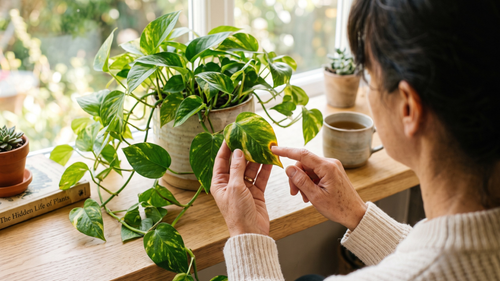
When I ask myself, “Why will not my cuttings root?” it is usually after weeks of staring at a glass of water or a pot of soil that looks exactly the same. No bumps, no white nubs, sometimes just a sad, yellowing stem. The good news is that propagation is not magic, it is a process, and when I understand the pieces, I can fix what is going wrong.
In my experience at Houseplant Resource Center, most failed cuttings come down to a few fixable issues: the health of the parent plant, the way the cutting was taken, the propagation environment, and the aftercare. I like to support that process with gentle tools like rooting hormone, plant propagation drops, and root drops for propagation that help support root development in cuttings without doing the work for me. In this article, I will walk through how I troubleshoot, the common mistakes I see in water and soil, and simple changes that help my pothos, monstera, philodendron, hoya, and fiddle leaf fig cuttings finally root.

If the cutting is not right, no product or trick will save it. I always start by choosing a healthy, mature stem with at least one node and a leaf or two. Weak, thin, or diseased stems almost never root, no matter how much rooting hormone for cuttings I add.
Here is what I look for before I ever take my pruning shears out:
Timing matters too. I have a lot more success when I take cuttings during periods of active growth, when the plant already wants to push out new leaves and roots. In cooler or slower seasons, cuttings often just sit there or rot.
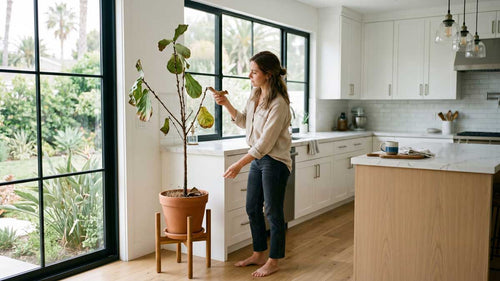
When I cut, I avoid slicing right on top of the node or crushing the stem. I cut just below a node with a clean, sharp tool, then sometimes dip the fresh cut in a propagation promoter, rooting hormone, or a rooting supplement for houseplants. This can protect the wound and encourage new root growth right from the start, especially for fussier plants like fiddle leaf fig.

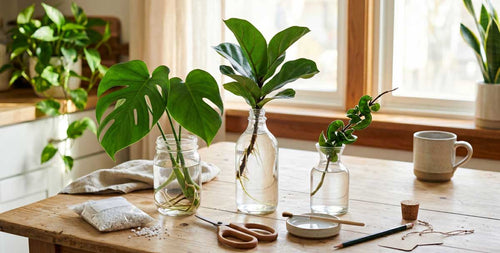
Water propagation feels simple, but small mistakes can quietly sabotage my efforts. Dirty jars, cloudy water, or bits of dead leaves under the surface encourage bacteria, and the stem decays before roots can form. Then I am left asking, “Why will not my cuttings root?” when the answer is hidden in that murky glass.
For water setups, I focus on a few basics:
Light and temperature matter just as much. I put jars in bright, indirect light, away from harsh sun that can overheat the water, and away from cold drafts that slow metabolism. If a cutting is kept in dim corners, I often see rooting stalled for weeks.
Sometimes I add plant propagation drops, a root stimulator for plants, or root drops for propagation to my water. These types of products are meant to be gentle, so they support the plant’s own process without overwhelming delicate new growth. Used sparingly, they can be the boost a stubborn pothos or philodendron cutting needs to finally push out roots.

Soil and moss propagation are great when I want roots that are already adapted to a solid medium, but they come with their own traps. Heavy, compact soil holds too much water and not enough air. When I plant cuttings in a big pot of dense mix, the base can stay soggy and suffocate the stem, which leads to rot instead of roots.
I have much better success when I:
Moss is especially helpful for plants like pothos and hoya, because it holds moisture close to the node while still allowing lots of oxygen. I often mist moss with a spray bottle so I can control moisture more precisely.
When it comes to products, I sometimes reach for a traditional rooting hormone for cuttings, and other times I prefer an alternative to rooting hormone for houseplant cuttings that is more of a gentle tonic. Both can support tiny new roots if I use them correctly and sparingly, instead of coating the whole stem and clogging delicate tissue.
I have learned that environment can make or break propagation, even when I do everything else right. Cuttings stalled in cool, dry air or in low light are simply trying to survive, not grow. On the other hand, warmth, humidity, and gentle light tell the cutting that it is safe to put energy into new roots.
For better results, I usually:
I love creating simple mini greenhouses, especially for fiddle leaf fig and other more sensitive plants. A clear plastic bag loosely placed over the pot, with support so it does not touch the leaves, can raise humidity just enough to encourage rooting.
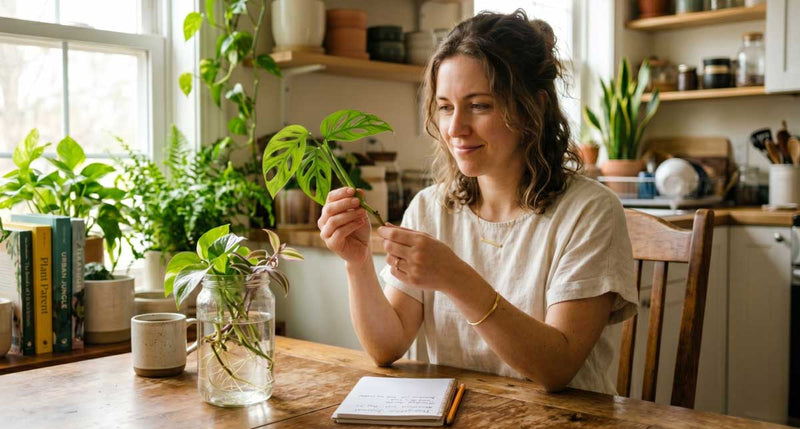
Healthy early roots typically look like white or cream-colored bumps or threads that emerge from the node. I check progress gently, especially in moss or soil, by easing the cutting out just enough to peek at the base. If I see mushy, dark stems, a bad smell, or shriveled, crispy leaves, I know I need to adjust conditions. When I transplant water- or moss-rooted cuttings into soil, I often use a light propagation promoter or rooting supplement for houseplants at the first watering. This helps ease the transition shock as the cutting switches from one environment to another.

When a batch refuses to cooperate, I do not assume I am a bad plant parent. I treat it like an experiment and reset a few key steps instead of doing the same thing again and hoping for better results.
My reset usually looks like this:
Sometimes I decide to start completely over with new cuttings from a healthier part of the plant. Other times I can salvage partially rooted cuttings by trimming off rot and moving them into a different medium, such as from water to moist moss. Tools like a root stimulator for plants, plant propagation drops, or other gentle boosters can tip the odds in my favor, but I have found that my technique and consistency matter far more than any product.
I typically see first roots appear within 1 to 4 weeks, depending on the plant and the warmth and humidity I provide.
I can root many common houseplants in water, but some species do better in soil or moss, so I choose the method that fits each plant best.
I do not always need it, but rooting hormone or an alternative to rooting hormone for houseplant cuttings can speed things up for woody or slower-growing plants.
I usually transplant once roots are a few inches long with several branches so they can handle soil without stalling.
In my experience, rot usually comes from dirty tools, stagnant or dirty water, overly wet soil, or keeping the cutting too cold and dark while it is trying to root.

If you are tired of guessing Why won't my cuttings root?, we are here to help you get consistent, healthy results. At Houseplant Resource Center, we created our propagation promoter to give your cuttings the nutrients and support they need from day one. Add it to your routine so you can stop losing cuttings and start growing strong new plants with confidence.


We are an Amazon Certified Small Business! Small businesses are the backbone of the US economy; they create jobs and drive innovation. We appreciate YOU helping small businesses on Amazon!