Indoor Plant Triage and Reset: Step-by-Step Rescue Plan for Neglected Plants


Neglected plants do not always mean dead plants. With a simple triage and reset plan, I can turn crispy leaves and stretched stems into a real 30-day comeback story instead of guessing and hoping.
In this houseplant care guide, I walk through a clear protocol I use at Houseplant Resource Center so I can sort problems fast, make good decisions about soil and pruning, and give each plant what it needs right now. Some plants will perk up in a week, others need months of slow recovery, and a few are past saving. My goal is to help me tell the difference and act with confidence.

When a plant looks rough, I either overreact or freeze. I might water a soggy plant again, or move a light-starved plant into harsh sun. With a triage protocol, I stop guessing and follow steps.
This reset is different from a normal houseplant care guide. Instead of only talking about ideal light and watering, I walk through:
In 30 days, I can usually:
Plants with almost no healthy roots, hollow stems, or full stem rot might not make a big comeback in 30 days. For those, I focus on taking cuttings and saying a kind goodbye.

First, I give myself 60 seconds to scan:
Then I check "vital signs":
From there, I drop the plant into one main state:
This label guides every choice I make next.
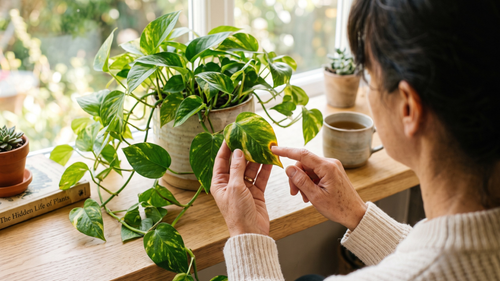
Now I slow down and confirm what is really going on. For underwatering vs. overwatering, I look for:
To spot nutrient or light issues, I focus on patterns, not single leaves.
I ignore a few random damaged leaves; those can be old age or a one-time bump.
For pests and disease, I check closely:
If I see bugs on more than one plant, I treat it as a collection problem, not just a single-pot issue.

Now I move into action, starting with the roots. I decide:
For root-bound plants, I usually:
If a plant is drowning in a huge pot of wet soil, I may even size down so the soil can dry on a better rhythm. Here is where I reach for products from Houseplant Resource Center, like specialty soils, gentle fertilizers, and recovery formulas, but I go light at first so I do not shock the plant.
Pruning comes next. My green light cuts include:
Red light cuts, or things I avoid early:
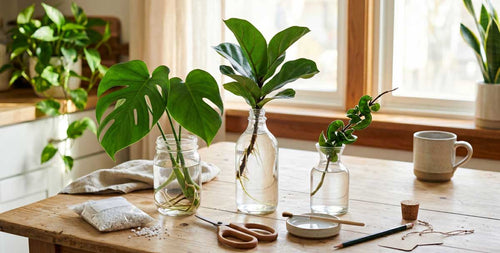
I always start with the worst branches to open up airflow, then trim for shape. I clean tools with alcohol between plants. Any healthy cuttings from safe plants can go into water or soil as a backup.
If I suspect pests, I follow a strict quarantine workflow:
During quarantine I:
Now I set a 30-day recovery schedule:
I treat this like a reset, then I shift back to a gentler, steady houseplant care guide mindset to keep things on track.
In summer, especially during hot months, I make a few tweaks. Strong sun and long days give plants energy, but heat and dry air can stress them. I avoid sudden moves from low light to full sun, and I watch for leaf scorch near bright windows. Soil dries faster, so I check more often, but I still water only when the plant truly needs it. Summer growth lets me repot, prune, and fertilize with more confidence because plants are ready to grow.
As I repeat this protocol, neglected plants start to feel like small projects instead of big emergencies. I can adjust it for tropicals, succulents, or aroids by swapping soil types and light levels, but the same core flow still works. At Houseplant Resource Center, I like keeping a small "rescue kit" on hand with tools, mixes, and gentle nutrients so I am always ready for the next save.

If roots are mostly mushy and foul-smelling or the main stem is hollow, I usually compost it and focus on any healthy pieces I can propagate.
I normally wait 2 to 3 weeks after a big repot or heavy prune, then start with a diluted dose to see how the plant responds.
I do a quick visual and soil check every few days, but I only water when the soil matches that plant's normal needs.
Yes, but I keep any suspected pest cases away from the others and work on those last.
I use this triage system when things go wrong, then I follow a broader care guide to keep plants healthy so I do not end up in rescue mode as often.

If you are ready to create a healthier, greener home, our detailed houseplant care guide will walk you through every step. At Houseplant Resource Center, we share practical tips you can apply right away, from watering schedules to light and soil recommendations. Explore our resources to troubleshoot common issues before they turn into bigger problems and help your plants thrive. Let us support you with clear, reliable guidance so you can enjoy confident houseplant care every day.


We are an Amazon Certified Small Business! Small businesses are the backbone of the US economy; they create jobs and drive innovation. We appreciate YOU helping small businesses on Amazon!