Indoor Humidity Needs for Citrus Trees
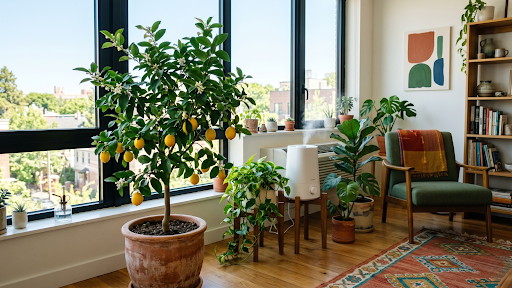

Healthy indoor citrus trees depend on the right humidity even more than I think. When I bring these sun-loving trees inside, I change nearly everything about their environment, from light and temperature to air movement and moisture. If I get humidity wrong, I often see leaf drop, crispy edges, and stubborn pest problems, even when I am watering and fertilizing correctly.
In this indoor plant guide from Houseplant Resource Center, I am focusing on humidity as one key piece of the citrus puzzle. I will walk through what humidity my citrus actually wants, how that compares to my typical home, and what simple tools and habits I can use to keep my trees comfortable. By the end, I want to feel confident creating a home setup where my citrus can thrive, not just survive.

Citrus trees evolved in warm, relatively humid climates with steady air movement and full sun. Indoors, I give them pots, filtered light, dry heated air, and air conditioning. Humidity becomes one of the trickiest factors for me to manage, because my indoor air is often much drier than the outdoor conditions citrus prefers.
When my indoor humidity is too low, I often see:
When humidity is too high in a poorly ventilated space, I may notice:
I do not need to turn my living room into a tropical greenhouse, and that is okay. My goal with this indoor plant guide is not perfection, but a steady, comfortable range where my citrus can adjust, grow, and fruit over time.

Rather than obsess over numbers, I like to think in three simple ranges for indoor citrus humidity: low, medium, and high. Most indoor citrus trees, including mine, prefer a medium humidity level. This feels comfortable to me, where the air does not feel bone dry but also does not feel sticky.
Here is a general way I frame it:
My heated home in winter is often on the low side, especially if I live in a dry climate. Citrus, however, is happiest in that medium range. If my home is consistently too dry, the tree loses moisture through its leaves faster than the roots can replace it, even if I water on time.
Humidity also does not act alone for me. Temperature, light, and air circulation all interact:
When I think of humidity as just one part of my full indoor plant guide, it becomes easier for me to balance instead of chasing one number.
I like to start with a basic hygrometer, a small device that reads humidity in the room. Placing it near my citrus trees, about leaf-height and out of direct sunlight, gives me a realistic picture of what the plant experiences throughout the day.
I keep in mind how my home systems shift humidity:
A simple weekly humidity checklist helps me catch issues early:
If I adjust humidity before leaves start dropping, my citrus will handle seasonal changes much more gracefully.

If my hygrometer tells me humidity is on the low side, I have several easy tools I can use.
I like to start with low-effort habits:
Humidifiers can be very effective for me if I use them wisely:
Misting often feels satisfying to me, but it has limits. Brief misting raises humidity for only a short time and can encourage fungal spots on leaves if the air is cool and still. I treat misting as a supplement, not my only strategy, and I pair it with grouping, trays, or a humidifier for more stable results.
When I raise humidity, I also need to adjust watering. In higher humidity, soil can stay wet longer, especially in dense or poorly draining potting mixes. If I water on the same schedule I used in dry conditions, roots may sit in soggy soil.
I like to:
Even when I aim for higher humidity, my citrus still needs strong light and gentle airflow. Bright windows, grow lights, and a small fan on a low setting can all help, as long as I avoid cold drafts from poorly sealed windows or frequently opened exterior doors.
At Houseplant Resource Center, I focus on a full indoor plant guide approach. That means I pair humidity care with:
Humidity works best for my citrus when the rest of my care routine supports it.
Humidity needs shift with the seasons, so I plan ahead instead of reacting once leaves start dropping. In winter, dry heated air is usually the biggest challenge for me, especially for citrus near windows. I often rely more on humidifiers, grouping, and trays at this time.
In summer, AC can dry the air, but outdoor humidity may help if I open windows on mild days. For different home setups I might have, I think this way:
By setting up a semi-permanent citrus zone with consistent light, a hygrometer, and my favorite humidity helpers, I give my tree more stable growth over time and reduce my day-to-day fussing.

I watch for curled or crispy leaves, increased leaf drop, flowers that dry quickly, and soil that seems to crust over fast despite my regular watering.
Misting alone usually is not enough for my tree, so I treat it as a small boost and pair it with grouping plants, a humidity tray, or a humidifier.
A humidifier is safe for my citrus as long as I keep it a short distance away, avoid blowing mist directly on the leaves, and clean it regularly.
Watering more often does not replace humidity for my citrus and can cause root rot, so I adjust humidity separately and only water when the soil actually needs it.
I look for an indoor plant guide that covers light, watering, humidity, soil, and fertilizing together so I can see how each part of my citrus care fits into the bigger picture.
If you are ready to give your plants exactly what they need, our indoor plant guide is the perfect next step. We created it to simplify feeding schedules, watering routines, and overall care so you can skip the guesswork. At Houseplant Resource Center, we share the same goal you do: keeping your plants vibrant, healthy, and growing strong. Use our tools and tips to turn your home into a thriving indoor garden.


We are an Amazon Certified Small Business! Small businesses are the backbone of the US economy; they create jobs and drive innovation. We appreciate YOU helping small businesses on Amazon!