7 Little-Known Facts About African Violet Flowers

Everything You Didn’t Know About Everyone’s Favorite Houseplant
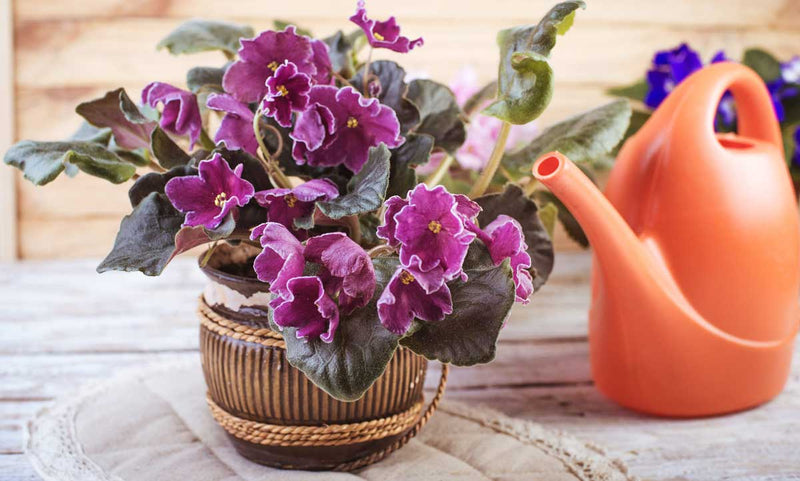
With dazzling, year-round blooms, African violet flowers make lovely countertop conversation pieces. Next time your guests take note of your cheerful companions, get them hooked on houseplants with these fun trivia tidbits.
That’s right, our purple pal is actually a proud imposter. African violet flowers get their name from their resemblance to true violets (Violaceae), but they’re actually a completely different genus: Saintpaulia.
While botanists estimate anywhere between 6 and 20 species of Saintpaulia exist in the wild, most household variations descend from just two species: S. ionantha and S. confusa. A remarkable range of colors and shape variations have been cultivated from these parent plants—but none of them are violets!
The verdict? Guilty of impersonation, but we don’t mind!
African violet flowers have enjoyed enduring popularity since their discovery in the late 1800s. Although they may inspire memories of Grandma’s house or visions of tea and crumpets, they’re still one of the most popular houseplants in the world today. Here’s why:
Not on the bandwagon just yet? Our list of 7 reasons you need an African violet NOW will get you right on board!
While you can find them thriving on countertops worldwide, African violets are teetering on extinction in the wild. Endemic to a very small bio-diverse region in Tanzania, the beloved houseplants are facing a major threat: deforestation. Since some species can be found only in a single forest—sometimes even a single mountain—any loss of habitat makes the African violet extremely vulnerable to extinction.
While activists and government agencies have worked to establish stronger regulations and protections, the plight of the African violet is a reminder that our natural world needs safeguarding—or we risk losing it forever.
Want to help? Consider donating to the African Rainforest Conservancy or East African Wildlife Foundation.
Maybe it’s their year-long blooms—a promise to provide a bit of joy til death does blossom part. Perhaps it’s the nostalgia they inspire—a first lesson in houseplants with parents or grandparents. Maybe it’s the loving care—nurturing these delicate plants with conditions just right. Whatever the cause, African violet symbolism is devotion, commitment, and faithfulness.
The gift that keeps on growing: African violets make a thoughtful, loving present on Mother’s day, special anniversaries, and any milestone event.
While most indoor plants flourish only two to five years, the African violet flower has serious staying power. With the right care, they can live up to 50 years! The key is to avoid over-watering, chilly temperatures, and direct sunlight—all of which can drastically reduce your plant’s chance of reaching a ripe old age.
Want to make sure your plant keeps thriving? Check out 5 Tips to Keep Your African Violet Alive for Years to Come.
While the African violet flower has a reputation for being a little, well, persnickety, it’s actually quite simple to care for if you know the right steps. Just keep the following tips in mind:
But wait, there’s more! Our Beginner’s Guide to African Violet Care dives deep to set you up for success.
Unfortunately, houseplants often pose a threat to companion animals. Bright flowers and intriguing leaves and vines can compel Garfield or Odie to take a little nibble—but many are toxic!
Good news: African violet flowers are pet-safe!
That said, be mindful of the components of your fertilizer; some contain chemicals that can make your pets sick. You might consider separating your pets and plants anyway; no one likes being lunch! Get the 411 on African violets and cats for all of our tips for successful flower-furball cohabitation.
Worried your pet ate something it shouldn’t have? Contact your local vet or animal poison control hotline immediately.
Whether you’re just starting out or are a seasoned grower, African Violet Resource Center has everything you need to help your plant grow vibrant and strong. Explore our other articles, visit our online shop, and connect with other houseplant lovers in our Facebook group to learn everything you need to know about this rewarding hobby!
African Violet Fertilizer: How to Grow a Healthy Plant
African Violet Leaves Curling: What Your Plant Is Telling You
5 Steps to African Violet Propagation
Endless Summer: Here’s How to Grow an African Violet Garden That BLOOMS


We are an Amazon Certified Small Business! Small businesses are the backbone of the US economy; they create jobs and drive innovation. We appreciate YOU helping small businesses on Amazon!