Endless Summer: Here’s How to Grow an African Violet Garden That BLOOMS
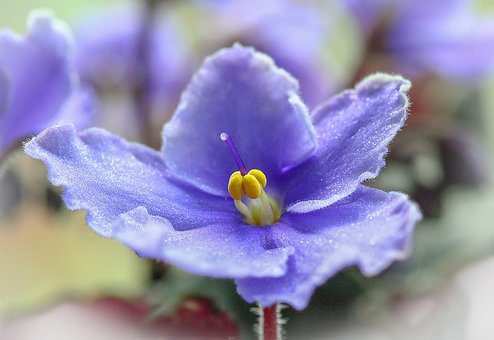

African violets are small, fuzzy plants that produce a variety of brightly colored flowers. Popular among houseplant enthusiasts, these plants can produce vibrant blooms year-round if given the proper care. Create your own, one-of-a-kind indoor African violet garden to bring a pop of color to your home—no matter the season.
Let us help you nurture an endless summer wherever you are. This beginner's guide to African violet gardens will tell you everything you need to know (and more!)
With gorgeous year-round blooms, it's no surprise that many folks are eager to grow African violets in their backyard or outdoor window boxes. Unfortunately, African violets are tropical plants and they like it "pleasant." The hot-hots of warmer climates and cold-colds of temperate regions make this plant a no-go in nearly every outdoor scenario.
Even if you happen to live somewhere that is 70 degrees year-round (in which case, tell us where!), African violets can't tolerate your garden soil. These plants evolved to thrive in rocky, well-aerated environments, so traditional garden soil is much too dense for their delicate roots.
Luckily, that just means you have to use this colorful plant to brighten up your indoor spaces. Read on for a comprehensive guide to keep your indoor African violet garden blooming all year long.
A large pot crawling with an array of different houseplants can add a satisfying touch of attitude to any indoor space. Unfortunately, the African violet's delicate soil sensibility makes for a poor team player. It simply cannot survive the type of potting soil in which most houseplants thrive.
A few houseplants, namely succulents and cacti, have similar soil requirements. It is possible for these plants to survive in a combined container, but the stress of overcrowding might make your African violet stop blooming.
Our advice? Give your African violet a pot of its own to keep it happy.
So, we've convinced you to start an indoor African violet garden. (You won't regret it!)
Your next question is probably "Where is the best place to grow African violets indoors?"
Sunlight is a critical factor; your plants prefer bright, indirect sunlight. East- and south-facing windows tend to provide the right light intensity and duration; just remember to keep them out of direct sunlight.
We recommend grouping your African violets together to brighten up dull corners or dead spaces in your home. Consider hanging a garden shelf or dedicating an entire counter or desk space to your colorful menagerie.
The main appeal of an African violet garden is having colorful houseplants year-round. African violets, however, are notoriously picky and quick to stop blooming. Luckily, you just have to know what you're doing. These quick tricks will take your houseplants from stage fright to showoff.
Your African violet garden needs light to grow. However, you can save the brightest windowsills for more light-hungry houseplants. Set up shop somewhere with bright, indirect sunlight (i.e., a well-lit space away from windows).
The quickest way to kill your African violet garden is with traditional potting mix. As we mentioned above, specialty African violet soil is essential for your plant's health. Our guide to African violet potting mix tells you everything you need to know.
For healthy soil, fertilize regularly to replenish vital nutrients. We recommend using a gentle liquid fertilizer every time you water your garden. Repot annually with fresh soil.
Although there are several ways to water your African violet, we recommend a bottom-up approach. Specialty African violet containers are two-piece systems that suspend your plant over water, allowing it to self-regulate water uptake. This approach also protects your plant's sensitive leaves from water droplets.
Strangely, these persnickety plants are happiest in slightly too-small containers. Keeping your African violets slightly root-bound encourages brighter, more continuous blooms.
"Deadheading," or pinching off wilted flowers and other stressed parts of the plant, frees up more energy for beautiful blooms. Remove the buds and leaves as close as possible to the plant base without cutting into the main stem.
Psst! No two African violets are the same. While the advice above is an excellent place to start, some plants have minds of their own. One may be eager to flaunt its fancy flowers, while another, given the same care, will struggle to produce. Pay close attention to each member of your African violet garden and adjust your approach accordingly for each.
How do you encourage your African violets to bloom year-round? Share your success stories and favorite "Pro-Tips" in our Facebook group.
Whether you're just starting out or are a seasoned grower, African Violet Resource Center has everything you need to help your plant grow vibrant and strong. Explore our other articles, visit our online shop, and connect with other houseplant lovers in our Facebook group to learn everything you need to know about this rewarding hobby!
7 Reasons You Need an African Violet Houseplant NOW!
Bottoms Up! The Best African Violet Watering Methods for a Happy Houseplant
Making Sense of African Violet Potting Mix (And How to Make it Too!)


We are an Amazon Certified Small Business! Small businesses are the backbone of the US economy; they create jobs and drive innovation. We appreciate YOU helping small businesses on Amazon!