The Ultimate Guide To Dracaena Marginata Care and Pet Safety
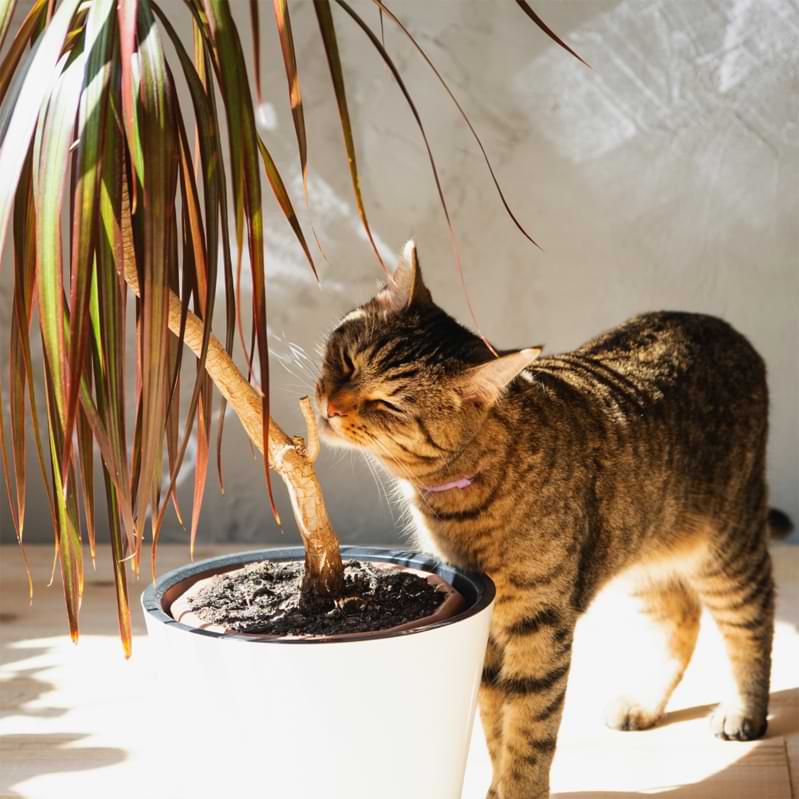


Prized for its attractive foliage and hardy nature, the Dracaena Marginata is rapidly becoming one of the most popular houseplants for experienced and beginner growers. With low light needs, sporadic watering, and minimal maintenance required, it’s the perfect addition to any home or office space.
But growing these stunning plants around pets poses a potential safety risk.
Like many houseplants, the Dracaena Marginata contains substances that can be toxic to animals when ingested. However, with the best plant care tips and a few simple precautions, you can ensure the safety of your pets while still enjoying the beauty and benefits of this stunning houseplant.

Commonly referred to as dragon tree, this plant is native to Madagascar and grows up to 15 feet tall when grown outdoors and approximately 6-8 feet when grown indoors.
The Dracaena Marginata has long, thin, dark green leaves with red or purple edges. It’s popular for its unique appearance and ability to adapt to a variety of indoor conditions.
This plant is also known for its air-purifying properties, making it an ideal choice for those looking to improve the air quality in their home or office space.
While Dracaena Marginata is the most popular species for indoor gardens, there are over 120 different types of Dracaena plants, each with their own distinct characteristics, including:
The species also includes many trees and shrubs that can live for several decades with proper care. Like their houseplant counterparts, tree, succulent, and shrub species in the Dracaena family are typically low-maintenance, easy-to-care-for plants.
Learn more about the easiest houseplants to grow for beginners!

Yes, the Dracaena Marginata is toxic to pets if ingested. But, unlike other common houseplants such as the pothos or monstera, this plant is not considered highly toxic and typically only causes mild to moderate symptoms.
The culprit behind its toxicity is a chemical compound called saponins. In plants, saponins help protect against pests and act as allelopathic agents, fostering growth, survival, and reproduction.
While safe for the plant, pets lack the cholesterol levels needed to safely break down this chemical compound, leading to thousands of cases of animal poisoning every year.

Pets are finicky creatures, and it can be challenging to know what they’ve gotten into if you haven’t seen them in the act. But, if you have found your pet exhibiting the following symptoms and you have a Dracaena Marginata in your home, it’s essential to seek veterinary attention immediately:
These common symptoms usually manifest within a few hours after ingestion and can last for up to 24 hours. While no specific amount is needed for toxicity, the severity of symptoms can depend on the amount ingested and the size of your pet. In severe cases, symptoms may include:
It’s also important to note that while cats and dogs are most at risk of poisoning from Dracaena Marginata plants, other pets such as birds, rabbits, and guinea pigs can also be affected with the same symptoms after ingestion of Dracaena Marginata leaves or stems.

If you have a Dracaena Marginata and dogs or cats have gotten into it, here’s what you should do:
Depending on the severity of symptoms and how soon veterinary attention is sought, treatment may involve induced vomiting with activated charcoal or providing supportive care such as IV fluids and anti-nausea medications.


Keeping your Dracaena Marginata plant out of reach from your pets is the best way to prevent accidental ingestion. Its height can make this tricky, but pet parents have found that keeping the plant in an area where pets don’t often go, like the balcony or the bathroom, is an easy solution.

Pets hate the feeling of sticky or prickly things under their paws and around their noses. Using pinecones, seashells, or smart gravel as a top layer over the soil can discourage them from digging or getting too close to toxic plants for pets.

Training your pet to avoid chewing or nibbling on houseplants is very possible. You can use a bitter spray deterrent sold in most pet stores or make one at home using white vinegar and water. Simply mix equal parts of each ingredient in a spray bottle and apply to toxic plants for pets. This will leave a distasteful flavor on the leaves that will deter pets from trying to eat them.

Credit: Photo by Karolina Grabowska: https://www.pexels.com/photo/a-dog-with-a-toy-on-a-sofa-5942479/
Bored, teething, or curious animals may still be drawn to chewing on toxic plants for pets. To prevent this, ensure your pet has appropriate chew toys available at all times. This will redirect their attention to safe and non-toxic items rather than potentially harmful houseplants.

Keeping your Dracaena Marginata healthy and thriving ensures no fallen leaves or branches that may be tempting for your pet to chew on. Essential care tips for keeping the houseplant vibrant, healthy, and safe to keep around pets include:
Most importantly, using well-draining indoor soil that keeps the plant’s roots happy and healthy will prevent growth and development issues that release more toxins and attract pets with a stronger scent of decay.
10 Tricks and Essential Products to Revolutionize Your Houseplants

You don’t have to risk pet safety to have green and gorgeous houseplants in your home.
Credit: Photo by Nothing Ahead: https://www.pexels.com/photo/a-kitten-in-a-flower-pot-15958810/
If the risk to your pets is too significant for you to handle, consider growing one of these pet-friendly plants at home instead instead of common toxic plants for pets:
Choosing pet-friendly alternatives will keep your furry pals safe and add beauty and life to your space without worrying about accidental poisoning. Remember to do thorough research before bringing any houseplants into your home, and avoid any plants with the following characteristics:
If you aren’t sure whether the houseplant you want to buy is safe for pets, visit the ASPCA’s website or consult a veterinarian before purchasing.
No, Dracaena Marginata is not safe for cats or any pet. It contains high levels of saponins, which can cause toxicity if ingested. Symptoms aren’t usually fatal but can be uncomfortable and require veterinary care.
To prevent leaves from falling, make sure to keep your plant healthy and well-nourished. Also, avoid over-watering or under-watering as this can cause leaf drop. Regular pruning of dead or damaged leaves will also help keep the plant looking neater and reduce potential hazards for curious pets.
The easiest houseplants to grow around pets are the African Violet and Spider plants. Both of these houseplants are non-toxic plants to pets and require minimal care. They also add a pop of color to any room they are placed in.
Balancing pet safety with our love for greenery can be a challenge, but with proper placement, care, maintenance, and pet training you can grow a thriving Dracaena Marginata or other pet-friendly houseplant that adds beauty and life to your home without compromising the health and safety of your furry friends. Happy Growing!
Want more tips on keeping your pets and plants co-existing harmoniously? Sign up for the Houseplant Resource Center newsletter to receive regular plant care advice, deals on houseplant accessories, and the latest news on pet-friendly plants.


We are an Amazon Certified Small Business! Small businesses are the backbone of the US economy; they create jobs and drive innovation. We appreciate YOU helping small businesses on Amazon!