Why Some Houseplants Are So Hard to Propagate

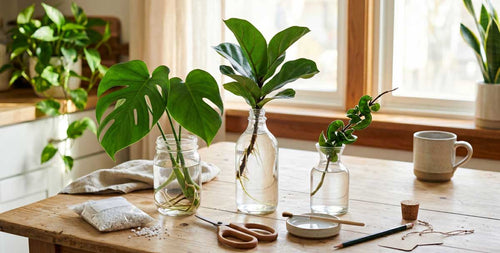
Propagation sounds so simple: I take a cutting, stick it in water or soil, and wait for roots. I love it because it feels like plant magic and lets me turn one favorite into many, share with friends, and fill my home without buying every new plant. When it works, it is incredibly satisfying.
But if I have ever watched a cutting slowly rot, wilt, or sit there doing absolutely nothing, I know propagation is not always straightforward. Even with a good houseplant care guide, rooting hormone, or a root stimulator for plants, some species are just stubborn. In this article, I am sharing my honest experience with the plants that challenge me the most, why they are so tricky, and what I do differently when simple methods fail.

Some plants practically root if I look at them, while others fight me at every step. The difference usually comes down to the biology of the plant and how it grows. When I understand that, my expectations become much more realistic.
I tend to struggle more with plants that have:
Different propagation methods also matter. For example:
Even when I choose the right method, environmental details make or break my success. Hard-to-root cuttings often need:
I like to use rooting hormone for cuttings on stubborn plants, but I still see failures if the air is too dry, the water is stagnant, or the soil stays heavy and wet. Products can help, but they cannot fix poor conditions.

There are a few houseplants that regularly keep me humble, even after years of practice and writing a houseplant care guide after houseplant care guide. They are beautiful, but they do not always play nice with simple water cuttings.
Here are a few that tend to cause trouble:
I see patterns in their structures that signal difficulty:
With these kinds of plants, I often turn to alternatives:
Even with experience, I still hit walls. When my normal routine fails, I do not just give up; I tighten up my process.
I usually adjust by:
This is also when I reach for products that give me a bit of an edge. A liquid propagation promoter can help encourage root formation on tough stems. For more sensitive plants, I sometimes prefer a mild root stimulator for plants in the water or soil, especially if I am trying to avoid burns or stress.
If a cutting starts to rot or stall, I use a few rescue strategies:
Not every cutting is savable, but these steps often turn a near-failure into at least a learning experience, and sometimes a healthy new plant.

I have learned that some plants simply prefer different approaches. Instead of forcing classic stem or leaf cuttings, I look at what the plant already wants to do.
For example, I often choose:
There are times when I decide that it is kinder to my sanity to buy a second plant instead of repeating failed experiments. That still fits within a realistic houseplant care guide, because it respects both my time and the plant's natural behavior.
When I do work with reluctant species, I tend to combine gentle methods:
This slower, more patient style usually gives sensitive plants the calm conditions they need to form roots at their own pace.
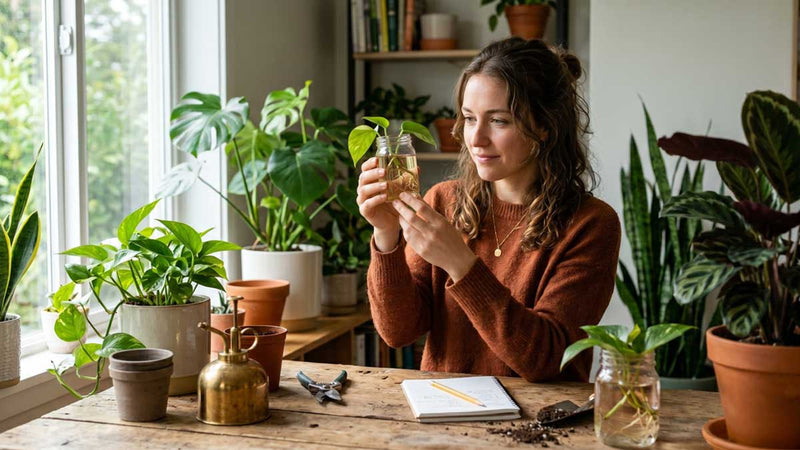
I have found that one of the most helpful habits is tracking my attempts. A simple notebook or note on my phone can record which plant, which method, which medium, and whether I used rooting hormone or a root stimulator for plants. Over time, patterns jump out.
Accepting that some cuttings will fail has made propagation much more enjoyable for me. Instead of seeing a rotted stem as proof that I am bad at this, I treat it as feedback about the method or conditions. That mindset turns propagation into a long-term, hands-on houseplant care guide that I am always updating.
If I love this topic as much as I think I do, I can keep exploring propagation tips for specific plant families, different media, and step-by-step techniques. The more I experiment thoughtfully, the more those once impossible plants start to feel at least a little more cooperative.

If the plant tissue is too woody, stressed, or prone to rot, no amount of rooting hormone can overcome poor health or unsuitable conditions.
No, most plants need a node or growth point attached to the leaf, and only species that naturally regenerate from leaves will grow full plants this way.
I usually get more reliable results in a well-draining soil mix or moss, which keeps moisture more stable and reduces the risk of rot compared to standing water.
I often wait several weeks to a few months, but if there is no callus or root bumps and the cutting looks mushy or hollow, I start over with fresh material.
I do not always need one, but I like to use a root stimulator or gentle root drops for propagation as an extra boost with slow-rooting or sensitive plants.
If you are ready to put this advice into action, our team at Houseplant Resource Center has organized everything into an easy-to-use houseplant care guide. You will find practical tips for watering, light, soil, and troubleshooting common problems, all in one place. Start using these resources now to create a healthier environment for every plant in your home.


We are an Amazon Certified Small Business! Small businesses are the backbone of the US economy; they create jobs and drive innovation. We appreciate YOU helping small businesses on Amazon!