Why My Indoor Plant Guide Changes During Summer Heat Waves
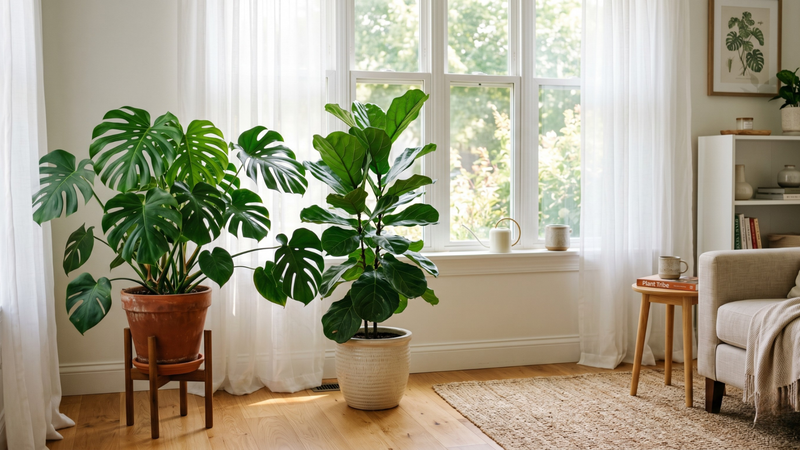

When a heat wave hits, my normal indoor plant guide goes out the window. What worked in mild weather suddenly isn’t enough, because my plants are dealing with hotter air, stronger light, and faster drying soil all at once.
I learned this the hard way during my first big summer heat wave. My “set it and forget it” routine stopped working overnight. Plants that were fine one week started drooping by lunchtime the next. That is when I realized my indoor plant guide had to be flexible. In this article, I share how I adjust my care so you can tweak your own routine when the temperature spikes.

Heat waves stress plants in ways I do not always see right away. I notice a few big things first:
Inside, the temperature on my thermostat is only part of the story. Areas near big sunny windows, rooms upstairs, and spots near appliances can get much hotter than the rest of my home. These little “hot pockets” create microclimates my plants have to handle.
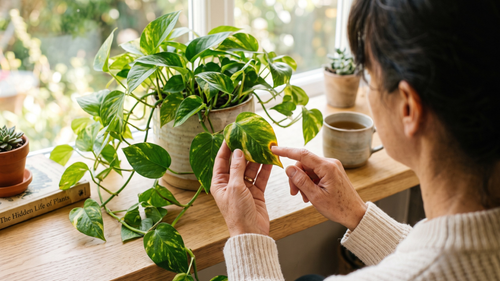
I keep an eye out for overheating red flags like limp leaves that stay droopy even after the sun goes down, pale or bleached patches, and new growth that suddenly slows or stops. When I see these signs, I do not wait. I adjust my indoor plant guide in real time instead of hoping things fix themselves.

When it is very hot, many people think, “I should just water more.” I avoid that. Overwatering in heat can be just as risky as underwatering, because warm, soggy soil is a perfect setup for root issues.
Here is what I do instead:
I rely on well-draining, high-quality potting mixes and specialized soils to keep roots happy. Good soil lets extra water flow out but holds enough moisture that roots do not dry out in just a few hours. That balance is key in a heat wave.
My indoor plant guide also shifts to include tools like moisture meters and quick saucer checks so plants are never left sitting in water. If a plant dries out in a single day, I may up-pot into a slightly larger container with fresh mix, or adjust the soil blend so it holds moisture a bit longer without getting heavy.

Summer light can be harsh, especially on south- and west-facing windows. I often move sensitive plants a few feet back or add sheer curtains to soften the sun. Even that small change can prevent leaf scorch.
To help plants handle dry summer air, I like to:
At the same time, plants need fresh air. I use fans on low settings to keep air moving, but I never point a fan straight at delicate leaves. I think gentle breeze, not windstorm.
I treat each heat wave like a temporary climate shift inside my home. My indoor plant guide gets new “zones” like cooler hallways, bright but not hot bathrooms, or shaded corners away from glass. Some plants get a short vacation in these cooler spots until the heat passes.

Even though summer is usually growing season, I am careful with fertilizer during intense heat. If a plant is already stressed, strong fertilizer can push it too hard.
During heat waves, I often:
I also pause big projects like major pruning or full repotting on the hottest days. My indoor plant guide for late June and July leans toward gentle, frequent check-ins and small tweaks rather than big changes. Once temperatures calm down, I slowly return to my regular feeding and growth plan.
Whenever I see a heat wave in the forecast, I run through a quick routine. It keeps me from scrambling once the house is already too hot.
My checklist looks like this:
I also group plants by type in my mind. Thirsty tropicals, slower growing succulents, and low-light plants all get slightly different tweaks. That way, I am not rewriting my entire indoor plant guide every time; I am only adjusting sections.
Through my work at Houseplant Resource Center, I lean on science-backed care guides, webinars, and plant wellness products to keep this checklist clear and simple. That helps me stay calm when the weather outside is anything but calm.

I check the soil every couple of days, sometimes daily, but I only water when the top inch or two is dry based on that plant’s normal needs.
I usually pull sensitive plants a bit back from strong south and west sun or add sheer curtains during the hottest afternoon hours.
I either dilute my fertilizer more than normal or pause feedings if plants look stressed, and I focus on comfort first.
If AC or hot, dry air is giving leaves crispy tips, I bring in a humidifier or use humidity trays, especially for tropicals.
I feel the soil first; if it is still moist but the plant is drooping or leaves look scorched, I treat it as heat stress, not underwatering.
If you are ready to help your houseplants thrive, our comprehensive indoor plant guide is the perfect place to start. At Houseplant Resource Center, we share practical tips on feeding, watering, and troubleshooting so you can feel confident about every plant in your home. Explore our trusted recommendations to support healthy roots, lush foliage, and consistent growth. Let us help you turn plant care from guesswork into a simple, enjoyable routine.


We are an Amazon Certified Small Business! Small businesses are the backbone of the US economy; they create jobs and drive innovation. We appreciate YOU helping small businesses on Amazon!