Why Every Stylish Living Room Deserves a Ficus Tree

A ficus tree is one of the easiest ways I know to make a living room feel pulled together, intentional, and alive. When I think about a reliable houseplant guide for turning a plain space into a cozy, stylish retreat, a ficus almost always makes the shortlist because it works both as decor and as a long-term plant companion.
In this article, I am sharing how a ficus can transform a living room, how I decide which variety belongs in which space, and how I keep these trees healthy without stressing about every leaf. If you have ever scrolled past a gorgeous living room and wondered how to get that same feel in your home, this is the practical, real-world guide I wish I had at the beginning.
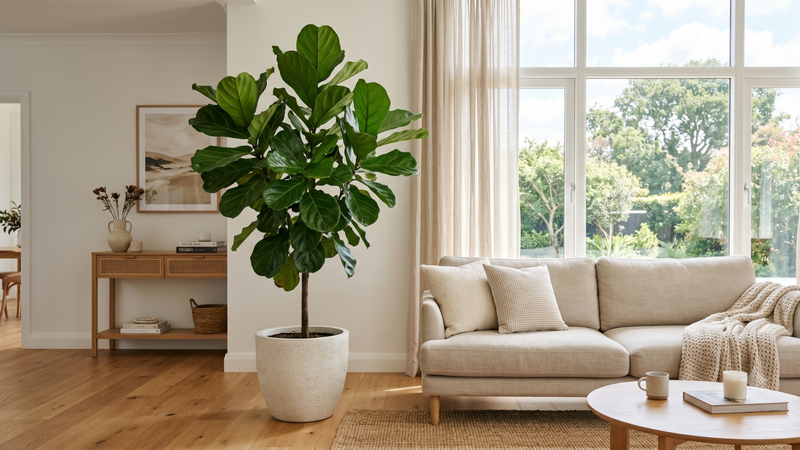
When I scroll through those perfectly styled living rooms, I notice the same elements on repeat: soft neutral seating, layered textures, good lighting, and a tall, leafy tree in the corner. That tree is often a ficus, and there is a reason it keeps showing up in those inspiration photos.
At first, I thought ficus trees were just another decor trend, but once I started growing them, I realized they are doing real work. They add vertical interest, soften harsh lines from furniture, and visually pull the room upward, which makes even a small space feel taller and more intentional.
I also saw how a ficus bridges the gap between interior design and plant care. It is not just a prop. It responds to light, watering, and attention, which means my living room evolves as the plant grows. That is exactly how I like to approach any houseplants guide: style and care should always work together.
Design-wise, a ficus is like adding an architectural piece that just happens to be alive. It anchors an empty corner, balances a heavy sofa, and fills awkward gaps that lamps or small decor never seem to fix.
Here is what I love most about the design side of ficus trees:
Different ficus varieties create very different moods. For example:
I also pay a lot of attention to pots and placement. I like to:
I treat ficus shopping like I am matching a roommate to a home. Before I bring one in, I ask what it actually needs and what my space can realistically provide.
Here is a simple way I compare popular ficus types:
To decide what fits, I look at:
This is where a houseplants guide mindset really helps. Instead of falling for a pretty plant first, I match the ficus to my light and habits, then bring it home. That is how I avoid a lot of frustration later.
A ficus has a reputation for being fussy, but I have found that it mostly wants consistency. My routine is simple and repeatable, which keeps both me and the plant calmer.
My basic care looks like this:
To avoid common problems:
At Houseplant Resource Center, I focus on specialized fertilizers, good soil, and simple tools because they make this routine more predictable. When nutrient levels and drainage are dialed in, it gets much easier to read what the plant is telling me.
Once the care basics are set, I think about styling. The goal is for the ficus to look like a natural extension of the room, not an afterthought I squeezed into the only open corner.
I usually ask:
Some of my favorite styling tricks:
As the ficus grows, I stay flexible. I may:
Once I learned how to integrate a ficus into my living room, I realized the same approach worked everywhere else. I stopped buying random plants and started treating each room like its own mini ecosystem.
Room by room, I now think in terms of:
At Houseplant Resource Center, the products and education I use are all built around that houseplants guide mindset. I want fertilizer, soil, and tools to answer real questions I have as a plant parent, not just add more guesswork. Every time I choose a new plant, especially statement trees like ficus, I see it as one more piece in a bigger, living home design.
How do I know if my living room has enough light for a ficus?
I check whether the room has bright, indirect light for much of the day; if I can comfortably read near the window without turning on a lamp, it is usually a good fit for many ficus varieties.
Why is my ficus dropping leaves after I bring it home?
I expect some leaf drop as it adjusts to new light, temperature, and humidity, so I focus on consistent care and avoid moving it or changing routines too quickly.
How often should I water a ficus tree?
I water when the top few inches of soil feel dry, then water thoroughly until excess drains out instead of watering by the calendar.
Can I keep a ficus small enough for a small living room?
Yes, by choosing naturally more compact varieties, pruning to maintain shape, and avoiding oversized pots that encourage rapid growth, I can keep a ficus manageable.
What makes the biggest difference for my ficus?
For me, stable, appropriate light combined with a balanced, ficus-friendly fertilizer and quality soil makes the biggest difference, because it keeps the plant strong enough to handle normal changes in my home.
If you are ready to turn what you learned here into thriving, low-stress plant care, our comprehensive houseplants guide walks you step-by-step through every stage. At Houseplant Resource Center, we share practical, tested strategies so you can skip the guesswork and keep your plants happy long term. Use this resource to troubleshoot problems quickly, master watering and light, and build a collection that fits your home and lifestyle. Start today so your next plant purchase becomes a success story, not a mystery.


We are an Amazon Certified Small Business! Small businesses are the backbone of the US economy; they create jobs and drive innovation. We appreciate YOU helping small businesses on Amazon!