Which Houseplants Are Easiest to Propagate and Why
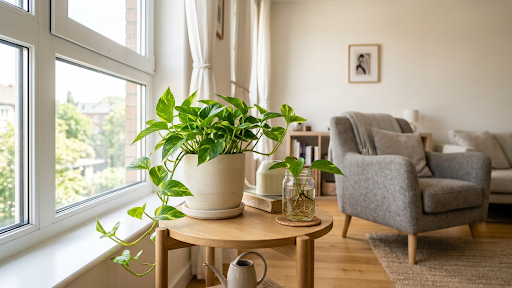

Easy-propagating houseplants let me grow a lush collection without draining my budget, which is why I am a little obsessed with them at Houseplant Resource Center. Propagation is simply making new plants from existing ones, usually through stem cuttings, divisions, or leaf-and-node cuttings. When I master a few simple techniques, I can turn one healthy plant into many, fill empty corners, and share plants with friends.
I also rely on easy propagation to practice basic plant care in a low-risk way. If a plant is struggling, I can often take a few cuttings and start fresh. This article is my personal guide to houseplants for choosing beginner-friendly plants and using tools like rooting hormone, root drops for propagation, and a gentle root stimulator for plants to stack the odds in my favor.

Some plants practically volunteer to be propagated. The easiest ones usually have:
I match the plant to the method instead of forcing one approach to work for everything. Common methods include:
I reach for rooting hormone for cuttings when a plant is slower to root or when stems are thicker or woodier. For fast rooters, I often skip it. Root drops for propagation or a liquid root stimulator for plants can be helpful in water or right after potting up, especially if I am worried about transplant shock.
Some houseplants root so easily from stem cuttings that they almost feel like cheating. My favorite stem-cutting superstars include:
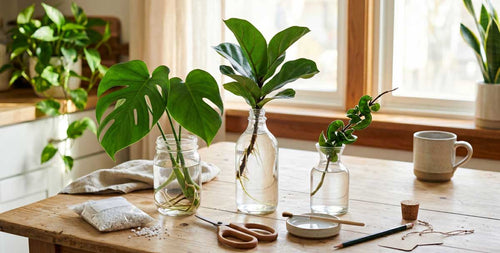
Here is how I usually take stem cuttings:
To keep these cuttings happy, I give them bright, indirect light and keep them warm, away from cold drafts. If they are in water, I change the water frequently so it stays clear and oxygenated. A gentle liquid root stimulator for plants or root drops for propagation in the water can support quick, healthy root growth without overwhelming the cuttings.

Some houseplants prefer to multiply by division rather than stem cuttings. I often divide:
I also love plants that produce offsets or pups, like spider plants and aloe. When I divide, I:
After division, I water lightly and give the plant bright, indirect light so it can recover. I sometimes add root drops for propagation to the first few waterings or use a mild root stimulator for plants to help reduce transplant shock.
Leaf-and-node propagation is another favorite for certain species. I often propagate:
With leaf cuttings, I almost always let the cut end dry or callus before placing it on or in soil, especially for succulents and snake plants. I avoid overwatering, keep them in bright, indirect light, and resist the urge to poke or move leaves too soon. A tiny dusting of rooting hormone on the cut edge can improve my odds, but I use just a little.

When I decide how to propagate a specific plant, I ask myself:
My general houseplants guide mindset looks like this: if a plant is known to root quickly, I often start in water so I can watch the roots. If roots are delicate, I may go straight to soil. For stressed, root-bound plants, I usually consider division. I label cuttings with plant names and dates and make simple notes about when I used rooting hormone for cuttings, root drops for propagation, or a root stimulator for plants, so I can see what actually works for me.
Once my cuttings have roots, I transition them from water to soil gradually. I pot them in a small container with well-draining mix, water thoroughly once, then let the top inch of soil dry out before watering again. My simple routine for young plants is:
I prefer to underfeed rather than overfeed. Once the baby plant is growing strongly, I bring in a diluted fertilizer and fold the plant into my regular care routine.
Propagation is more fun when I keep it low pressure. I like to start with one or two easy-propagating plants, set up a simple propagation station with jars or small pots, gather my tools, and treat the whole thing like a hands-on experiment. Every rooted cutting is proof that I can read my plants, respond to their needs, and grow healthier houseplants at home.

For easy houseplants, I usually see roots in about 1 to 4 weeks, depending on light, warmth, and the specific plant.
No, many plants root fine without it, but I like using it on woody stems or varieties that are slower to root.
Some plants will live long-term in water, but most grow stronger and fuller when I eventually move them into soil.
I often find it comes from low light, dirty tools, or letting leaves and too much stem sit underwater.
I usually wait until I see fresh new growth, then start with a very diluted, gentle feed to avoid stressing young roots.
If you are ready to turn plant struggles into thriving greenery, our houseplants guide gives you clear, practical steps for every stage of care. At Houseplant Resource Center, we share what actually works so you can skip the guesswork and enjoy healthier plants year-round. Use our expert tips to troubleshoot issues faster, choose the right plants for your space, and build routines that fit your daily life. Start now and give your houseplants the consistent care they need to truly flourish.


We are an Amazon Certified Small Business! Small businesses are the backbone of the US economy; they create jobs and drive innovation. We appreciate YOU helping small businesses on Amazon!