When to Propagate Houseplants for Strongest Growth
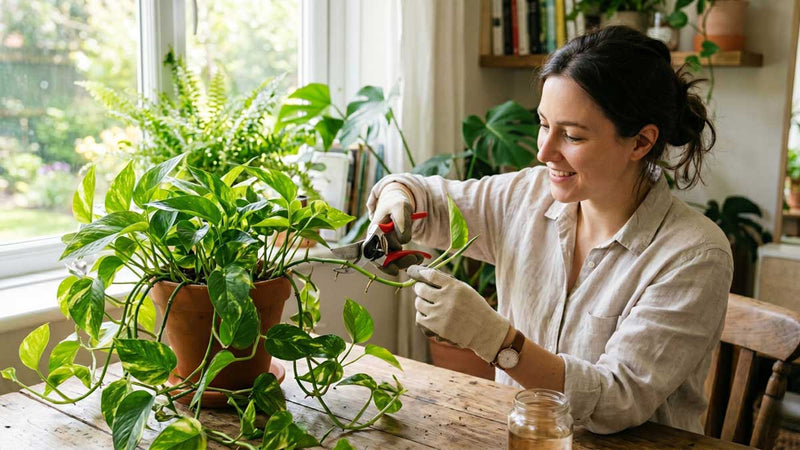

Propagating my houseplants is simply a way to create new plants from the ones I already love, but the timing of when I do it has a huge impact on how well those babies grow. If I take cuttings or divide roots when a plant is sleepy or stressed, I often get slow rooting, yellowing leaves, or outright failure. When I work with a plant's natural growth cycle instead, especially with sensitive plants like ferns, my success rate jumps and the new plants establish much faster.
The challenge is that not every plant follows the same exact calendar. Some rest hard in winter, some keep chugging along indoors, and ferns often just want steady, gentle conditions. In this article, I walk through how seasons affect propagation, ideal timing for different plant types, special tips for fern propagation, how indoor conditions shift the rules, and where tools like propagation promoters for plants fit into the picture.

Most of my houseplants cycle between active growth and a slower, resting phase. During active growth, I see new leaves, longer stems, and faster root development, while during dormancy, growth pauses, water needs drop, and roots are less eager to branch out.
These stages line up with better or worse propagation windows. For many common houseplants, I get the strongest rooting if I:
There are always exceptions. Many tropical houseplants in my home do not go completely dormant, so gentle propagation can work almost any time if they have consistent warmth and light. Ferns are another special case, since they like mild temperatures, even moisture, and good humidity, so I time fern propagation around when those needs are easiest for me to provide.

When I match plant type to season, propagation becomes more predictable. Here is how I usually think about it for popular groups:
Light, temperature, and day length all matter. Short, dim days and cool rooms slow down root growth, so even if I am eager to propagate, I might delay hard cutbacks or large divisions until my space is brighter and warmer. In cooler or lower light seasons, I sometimes lean more on tools, like root drops for propagation, to compensate for less ideal conditions.

Ferns have a reputation for being fussy, and that shows up in propagation too. There are three main methods: division, offsets, and spores. Indoors, division is usually the most realistic option, since spore propagation takes special conditions and a lot of patience.
I like to divide ferns in early spring to early summer, when they are gearing up to grow and I can give them steady moisture and moderate warmth. Around this time, new fronds start to unfurl and the plant is primed to push fresh roots. Before dividing, I:
Because fern roots are fine and delicate, I handle them gently and keep divisions snug but not crowded in fresh soil. A mild root stimulator for plants can help them reestablish after being split, especially if the plant looked slightly stressed before dividing. I avoid strong fertilizers right after division, focusing on humidity and consistent, not soggy, moisture.
Growing indoors lets me cheat nature a little. With grow lights, cozy rooms, and humidifiers, I can stretch the propagation season beyond classic spring and summer and get decent results almost year-round. The key is to watch what my plants are telling me instead of relying only on the calendar.
I ask myself:
If the answers are yes, it is usually safe for me to take a few cuttings or do a small division. In winter, I tend to be more cautious. If I do propagate, I often use rooting hormone for cuttings, keep temperatures steady, and pay close attention to humidity. I also water more lightly to avoid rot, since cooler soil dries out more slowly.

Before I take the scissors to any houseplant, I run through a simple timing checklist. I want to see a healthy mother plant, active or at least stable growth, room temperatures that stay comfortably warm, and enough natural or artificial light for new roots and leaves to develop.
I also match my tools to the situation:
Once cuttings or divisions are potted, I monitor them closely over the first few weeks. Many easy plants show new roots within a couple of weeks, while tougher or woody types may take longer. If I see wilted leaves, no root growth, or signs of rot, I adjust by improving airflow, tweaking watering, or adding more light instead of immediately giving up.
I usually aim for spring through early summer, when my plants are naturally pushing new growth and conditions favor quick rooting.
Yes, but I get better results if I supplement light, keep temperatures warm, and consider using rooting hormone for cuttings to offset slower growth.
I prefer dividing or propagating ferns in early spring, when they are gearing up to grow and can recover faster from root disturbance.
I look for strong, healthy growth, several mature leaves or stems, and no obvious stress like yellowing foliage, pests, or recent repotting shock.
I do not always need it, but using a root stimulator or other specialized rooting products can improve my success, especially with trickier plants or off-season propagation.
Ready to turn one healthy fern into many? At Houseplant Resource Center, we created a simple solution to support successful fern propagation so you can grow lush, thriving plants with confidence. Our approach helps you encourage strong root growth and reduce trial-and-error, whether you are propagating for the first time or refining your technique. Start using the right tools today so every new fern cutting has the best chance to flourish.


We are an Amazon Certified Small Business! Small businesses are the backbone of the US economy; they create jobs and drive innovation. We appreciate YOU helping small businesses on Amazon!