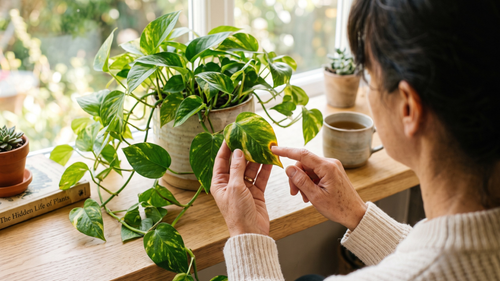
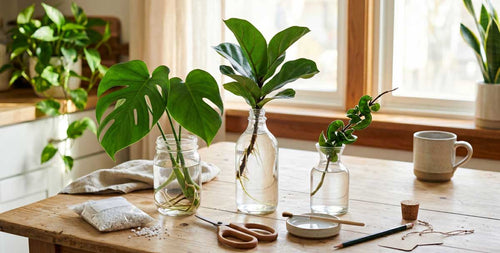
When My Pothos Needs Transplanting Without Stressing It
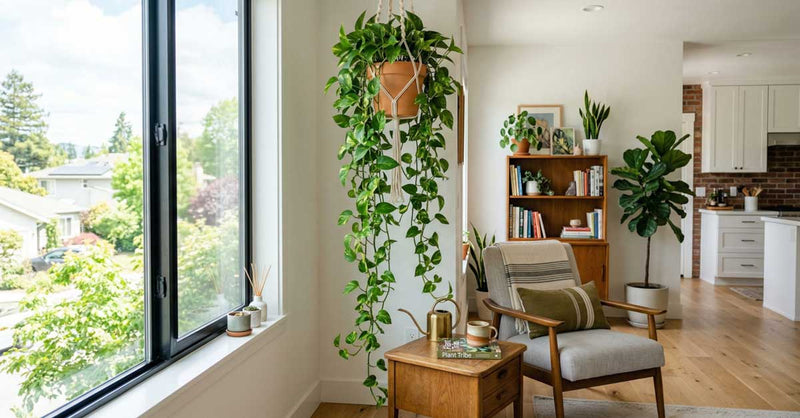

Transplanting my pothos can feel scary. I worry about breaking roots, shocking the plant, or watching those pretty vines droop overnight. The good news is that with the right timing and a calm method, transplanting pothos can actually make my plant happier and stronger.
In this guide, I walk through how I tell when my pothos needs to be transplanted, how I get ready, the step-by-step process, and how I care for it afterward so it bounces back fast. At Houseplant Resource Center, I keep things simple with practical tools like well-draining soil, gentle fertilizer, and easy habits that keep stress low for both me and my plants.
I do not wait for my pothos to look miserable before I think about transplanting. Instead, I watch for a few clear signs that the plant has outgrown its home or that the soil is worn out.
Here are the main clues I look for when transplanting pothos feels like the right move:
If I notice any of these, I gently slide the plant out of the pot to check the root ball. I support the stems, tip the pot on its side, and ease the root mass out. If I see a thick swirl of roots with very little soil left, I know the plant is rootbound and ready for a bigger pot. If there are roots but still a good amount of loose soil, a simple soil refresh in the same size pot might be enough.
I also think about timing. I like to plan transplanting my pothos for early to mid-spring, when light levels are rising and the plant is gearing up for new growth. In that season, my pothos bounces back more quickly from the move.

A smooth transplant starts before I ever touch the plant. I set myself up so I am not scrambling mid-process.
First, I pick the right pot. I keep these rules in mind:
Next, I think about soil. Pothos like a light, chunky, well-draining mix that still holds some moisture. I reach for an aroid or general houseplant blend, like the mixes I get from Houseplant Resource Center. I want ingredients that keep air pockets around the roots so they do not stay soggy.
Then I do my simple setup routine:
This way, transplanting my pothos feels calm and steady, not rushed.

On transplant day, I move slowly and stay gentle. My goal is to disturb the roots as little as I can while still giving them space.
Here is how I do it:
If the roots are tightly circling the outside, I use my fingers to gently tease them apart. I do not rip or cut unless there are rotten or mushy roots. Those can be trimmed away with clean shears.
I add a base layer of fresh soil to the new pot, then set my pothos in the center. I keep the top of the root ball at the same depth as before. Planting deeper can cause stem rot, so I match that original soil line.
Then I backfill around the sides with fresh mix, working it in around the roots. I tap the pot to help the soil settle but I do not pack it down hard. I want the mix to stay airy.
Once the plant is in place, I water slowly and deeply until water runs from the drainage holes. After it drains, I move the plant to a spot with bright, indirect light and steady temperatures, away from harsh midday sun or drafts.

Even with a perfect transplant, my pothos can look a little droopy right afterward. I do not panic. Some mild transplant shock is normal while the roots adjust and start growing into the new soil.
For the first week or two, I expect:
My aftercare routine focuses on calm, steady conditions. I check soil moisture with a finger before watering, only watering again when the top couple of inches feel dry. I keep humidity consistent and avoid big changes in light or temperature. I also hold off on heavy pruning or taking cuttings until I see fresh, healthy growth.
I usually wait a few weeks after transplanting my pothos before I bring fertilizer back. When I do, I use a gentle, pothos fertilizer like the ones I get from Houseplant Resource Center. That way, I support new roots without burning them.
Once I go through this process a few times, transplanting my pothos starts to feel like normal plant care, not an emergency. I pay attention to rootbound signs, choose a good pot and soil, follow a calm step-by-step method, and give my plant a little extra kindness afterward. I also like to keep notes on transplant dates and pot sizes so I can guess when the next move might be coming.
Here are a few quick FAQs I keep in mind for myself:
I usually transplant my pothos every 1 to 2 years, or sooner if I see clear signs of tight roots or watering issues.
I choose a pot about 1 to 2 inches wider in diameter than the current one so my plant is not lost in too much fresh soil.
Yes, I water thoroughly right after transplanting, let the extra water drain, then wait until the top of the soil dries before watering again.
I can, but I prefer to wait for spring when possible because my plant tends to recover faster during its active growth period.
I usually assume it is mild transplant shock, so I give it a week or two of gentle light and careful watering, and it almost always perks back up.

If you are ready to give your plant the smoothest possible transition, we are here to support you every step of the way. At Houseplant Resource Center, we created a specialized pothos fertilizer that makes transplanting pothos less stressful and more successful. Add it to your routine to help roots reestablish quickly, boost new growth, and keep leaves lush. Start now so your next repot is an upgrade, not a setback.


We are an Amazon Certified Small Business! Small businesses are the backbone of the US economy; they create jobs and drive innovation. We appreciate YOU helping small businesses on Amazon!