What Happens When My Houseplants Lack Micronutrients
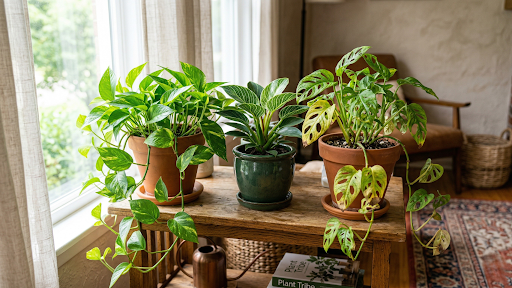

When my houseplants start looking sad, I usually blame water or light. But sometimes the real problem is hidden in the soil. My plants might be missing tiny nutrients that I cannot see, but they feel them in every leaf and root.
Micronutrients are small but mighty. My plants only need them in tiny amounts, especially as they wake up with new growth in spring, but those tiny pieces make a big difference in color, strength, and overall health. Even when I feel like I am doing everything right, micronutrient problems can sneak up on me and show up as weird yellow leaves, twisted growth, or slow progress.
In this houseplant care guide, I will walk through what those micronutrients are, how I spot issues, why they go missing, and simple ways I support my plants without making care more complicated.
Most of us know about the big three nutrients: nitrogen, phosphorus, and potassium. These are called macronutrients, and they show up on fertilizer labels as N-P-K. My plants need larger amounts of these for general growth, roots, and blooms.
Micronutrients are different. My plants still need them, just in much smaller doses. The main ones for indoor plants are:
Macronutrients are like the main course, while micronutrients are like the seasoning. Without the seasoning, the whole meal feels off. A complete houseplant care guide for me really has to include both.
Indoor life can make micronutrient balance tricky. Potting mix is limited, water often drains away quickly, and I usually use filtered or treated water that does not bring in natural minerals. Over time, even a good soil mix can run low or hold nutrients in forms the roots cannot use.

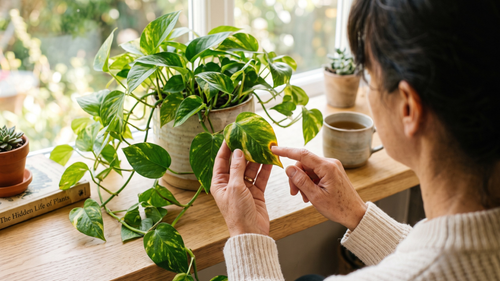
Micronutrient problems often show up first in the leaves. The tricky part is that the symptoms can look a lot like watering trouble or sun stress, so I try to pay attention to the details.
Some common signs I watch for include:
Where the symptoms show up helps a lot. If newer leaves are affected first, I often think about iron, manganese, or boron, which the plant cannot easily move from old leaves. If older leaves are yellowing or spotted first, I might suspect nutrients like zinc or molybdenum that move more easily through the plant.
To keep from misdiagnosing, I try to rule out:
Once I am confident those are not the main problem, micronutrients move higher on my list.

Micronutrient issues are not always about how much is in the soil. Sometimes the nutrients are there, but the plant cannot use them.
Common causes I look for include:
Seasonal changes play a role too. As days get longer in spring, plants shift into growth mode. Suddenly they want more of everything, including micronutrients. A mix that was fine in winter can start to feel empty as new shoots appear.
My habits matter as well. If I rarely repot, always water to a shallow level, or jump between different fertilizers, my plants might not get a steady, balanced supply. Small tweaks to my routine can make a big difference over time.

When I suspect a micronutrient problem, I do not want to throw every product at the plant at once. Slow, steady steps are safer and more effective for me.
I like a simple troubleshooting path:
Balanced fertilizers that include micronutrients are a gentle way I support most of my plants. For plants I know are prone to certain problems, like iron issues in some tropicals, I might bring in a targeted supplement or a soil blend designed with extra support built in.
When applying fertilizers or supplements, I keep these tips in mind:
Old damaged leaves might not recover, so I focus on whether new growth looks stronger and greener.
Once I understand how micronutrients work, I can fold them into my normal houseplant care routine without making things stressful.
Some simple habits help me:
I also like soft monitoring rather than strict rules. Each spring and fall, I take a slow look at new growth, leaf color, and stem strength. I find it helpful to keep a short care log with watering and feeding notes, so patterns are easier for me to spot.
Different plants have slightly different needs, but the basics stay the same. My tropical foliage plants often enjoy richer soil and more regular feeding. My succulents prefer leaner mixes and lighter feeding, but they still benefit from trace nutrients. Flowering houseplants may need a bit more support when setting buds, which is when a complete fertilizer can really shine for me.

When I understand micronutrients, a lot of those “mystery problems” feel less scary. Yellowing between the veins, strange new leaves, or slow growth stop being random and start to look like clues. With that knowledge, I can adjust soil, water, and fertilizer with more confidence.
I do not need to overhaul everything at once. Even one or two small changes, like switching to a complete fertilizer or paying closer attention to how my tap water affects my plants, can help my home jungle look stronger over time. At Houseplant Resource Center, I love using simple, science-backed tools, resources, and products that make this kind of care feel clear and doable for me.
I look for signs like yellowing between leaf veins, pale new growth, or distorted leaves after I have ruled out pests, watering problems, and light issues.
Yes, I can overdo it, so I always follow label directions and make small, gradual changes instead of heavy applications.
Many do, but I always read the label for a full list, and I add targeted support only if my plants keep showing deficiency signs.
I usually rely on a complete fertilizer during active growth and only adjust if my plants or my care habits change.
It can, because very hard or very soft water may interfere with nutrient uptake, so I watch how my plants respond and consider filtered water if problems keep showing up.
Ready to turn what you just learned into thriving plants in every room? Explore our comprehensive houseplant care guide for step-by-step advice on watering, light, soil, and troubleshooting common issues. At Houseplant Resource Center, we break everything down into practical tips you can actually use, no matter your experience level. Start applying these tools today to grow more confident in your care and see your plants flourish.


We are an Amazon Certified Small Business! Small businesses are the backbone of the US economy; they create jobs and drive innovation. We appreciate YOU helping small businesses on Amazon!