Understanding Pothos Plant Nutrients for Lusher Indoor Vines
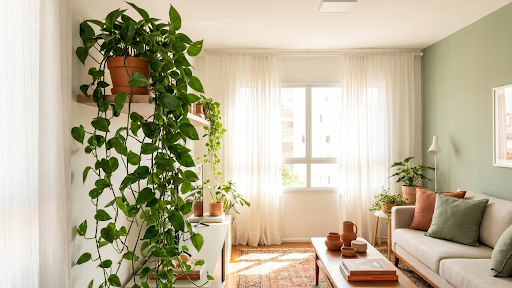

Healthy pothos vines are not just about light and water. Nutrients are the quiet power behind those long, full, trailing strands we all love. When our pothos gets the right food at the right time, it rewards us with deep green (or beautifully variegated) leaves and steady new growth.
At Houseplant Resource Center, we fell in love with pothos because it forgives small mistakes and still looks good on a shelf or hanging in a window. But we have also seen the difference between a pale, stretchy pothos and one that is thick, glossy, and growing fast. The secret is not complicated. It is simply learning what pothos plant nutrients do, how to spot when our plant needs a boost, and how to feed it gently, especially in late spring and summer when growth picks up.
All plants need three main nutrients: nitrogen, phosphorus, and potassium. Each one shows up in a different part of the plant.
When nitrogen is in good supply, leaves look full and green, not thin or washed out. Phosphorus helps the root system stay strong so the plant can drink and feed well. Potassium is like a general helper, backing up the plant when light or water conditions change.
Our pothos also depends on smaller nutrients, called micronutrients, like magnesium, iron, and calcium. They might be needed in tiny amounts, but they still matter.
Indoor pots are very different from outdoor soil. In a container, water runs out the bottom, taking extra nutrients with it. Over time, even a good potting mix gets tired. We cannot expect the original mix to feed our pothos for years. That is why a light, steady fertilizer routine matters so much for houseplants.

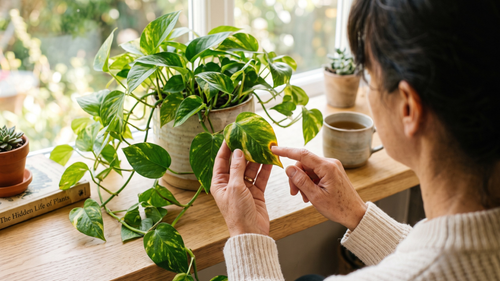
Many problems can show up in pothos leaves, and they do not all point to nutrients. We always check light and water first, then think about food. Still, there are some clear patterns that help us tell when pothos plant nutrients might be off.
Here are a few common signs:
These issues tend to show up more in late spring and summer, when the plant suddenly tries to grow faster but does not have enough nutrients to back it up. To troubleshoot in a simple way, we like to follow this order:
Once we work through that list, it gets much easier to see whether the plant needs changes to its feeding plan.

We like to keep feeding easy and gentle. For most indoor pothos, a light schedule looks something like this:
We can use different types of fertilizer, depending on our habits.
If we love checking our plants often, liquid feeding might be our favorite. If we tend to forget, a slow-release option can be helpful. Whatever we choose, we like to:
This keeps roots safer from burn and helps the plant make steady use of its food.
Pothos roots prefer a light, chunky, well-draining mix. When soil is airy, water and nutrients can move around the roots without drowning them. A heavy, compacted mix can hold too much water and also trap fertilizer in pockets, which can stress the plant.
We like to refresh or repot pothos every 12 to 18 months. This:
At Houseplant Resource Center, we offer specialized soils, balanced indoor plant fertilizers, and tools that fit right into a simple care routine. We aim to keep it low stress, so we can make one small change at a time instead of overhauling everything.
As days get longer around late spring, we gradually feed a bit more often, without making the fertilizer stronger. Warmer temperatures and brighter light mean our pothos uses more water and more nutrients. That can mean:
Grouping plants together and keeping them away from blasts of hot or cold air can help the leaves stay plump and ready to use all that food. This way, our nutrient plan actually turns into lush, healthy vines that make a room feel alive.

We usually fertilize lightly every 2 to 4 weeks in spring and summer, then slow down or pause when growth is low in cooler months.
We can, but we get better, more controlled results from a balanced formula made for indoor houseplants.
We first look at watering and light, then check if we might be feeding too much, too little, or using very old, compacted soil.
They need the same nutrients, but they do best with bright, indirect light so they can keep their patterns while using those nutrients well.
Yes, too much fertilizer can burn roots and cause crispy edges, so we prefer weaker, more frequent doses instead of one strong feeding.
If your pothos growth is slowing down or its leaves are losing their vibrant color, it may be time to upgrade its feeding routine. At Houseplant Resource Center, we created our specialized pothos plant nutrients to deliver the balanced support your plant needs for steady, healthy growth. With an easy-to-use formula that fits into your regular watering schedule, you can keep your pothos lush, resilient, and full of new vines. Start today so your plant can reach its full potential in every season.


We are an Amazon Certified Small Business! Small businesses are the backbone of the US economy; they create jobs and drive innovation. We appreciate YOU helping small businesses on Amazon!