Why We Turn to Houseplants for Cleaner Indoor Air

Indoor air gets stale fast. Dust, off-gassing from furniture, scented products, cleaning supplies, and limited ventilation can all build up in the spaces where we sleep, cook, and work. We may not always see the problem, but we often feel it as dry air, stuffy rooms, or lingering odors.

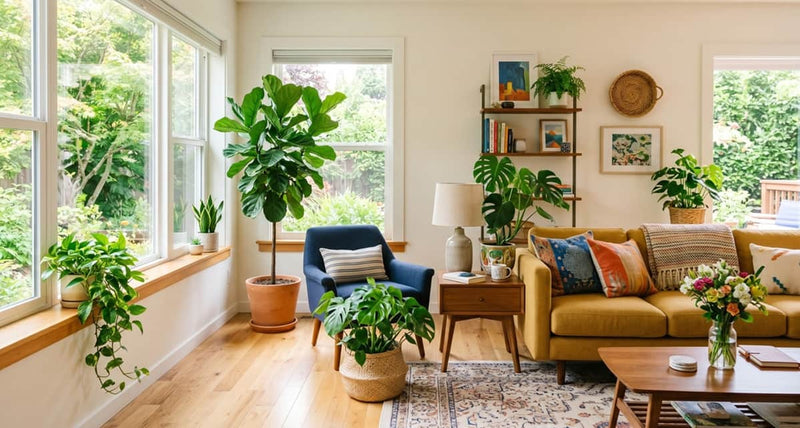
At Houseplant Resource Center, we treat houseplants as one of several simple tools to support fresher, more comfortable air at home. Plants are not magic air filters, and they do not replace good airflow, regular cleaning, or smart choices about household products. What they can do is gently support air quality over time while adding calm, color, and life to our spaces. In this indoor plant guide, we walk through the plants we trust, how they help, and how we care for them so they can do their best work.

How Houseplants Actually Support Better Air Quality

How Houseplants Actually Support Better Air Quality

Plants interact with the air in quiet, steady ways. Through photosynthesis, they take in carbon dioxide and release oxygen during the day. Through transpiration, they release moisture into the air, which can help balance humidity in dry rooms.

Here is how we think about their air-supporting role:

  • Oxygen and freshness: Healthy foliage and steady growth usually mean more gentle oxygen release and a fresher feel in the room.
  • Humidity balance: In dry homes, a small cluster of plants can keep the air from feeling scratchy and uncomfortable.
  • Dust and particles: Leaves catch a surprising amount of dust over time. When we wipe leaves, we remove some of that dust from circulation.
  • Pollutant interaction: Certain plants can interact with small amounts of common indoor pollutants at the leaf and root level over long periods.

We always keep expectations realistic. Houseplants do not replace:

  • Good ventilation, like opening windows when the weather allows
  • Exhaust fans in kitchens and bathrooms
  • Regular dusting and vacuuming
  • Being thoughtful about candles, sprays, and strong cleaners

When we combine plants with these habits, we notice softer light, gentler humidity, and a home that simply feels easier to breathe in.

Our Go-to Air-Supporting Houseplants for Every Room

Our Go-to Air-Supporting Houseplants for Every Room

We like to start with forgiving plants that are known for toughness and steady growth. They earn a spot in bedrooms, offices, living rooms, and hallways because they are so adaptable.

Some of our favorites include:

  • Snake plant: Thrives in low to bright indirect light, tolerates missed waterings, and grows upright so it works well in tight corners and bedrooms.
  • Pothos: Trails or climbs, happy in medium to low light, and bounces back quickly from minor neglect.
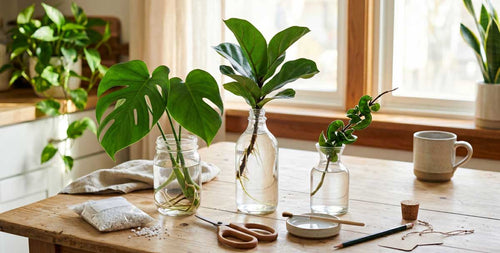
  • Spider plant: Great for hanging or shelves, likes bright indirect light, and often sends out baby plants we can propagate.
  • Peace lily: Prefers medium to low light and slightly moist soil, and signals thirst with gentle drooping, which makes watering timing easier.

When we have a little more space or brighter light, we reach for:

  • Rubber plant: Thick leaves, tree-like growth, likes bright indirect light and makes a big visual impact.
  • ZZ plant: Tolerates low light and infrequent watering, grows slowly but steadily, and fits well in offices or entryways.
  • Palms like parlor palms or areca palms: Love bright, filtered light and bring a soft, tropical feel to living rooms.

We always factor in pets and kids. Some classic air-supporting plants can be toxic if nibbled, so we:

  • Check reliable toxicity lists before bringing new plants home
  • Place risky plants on high shelves or in rooms pets cannot access
  • Favor non-toxic options if we know chewing is likely

That way we match each plant to the right room, light level, and household needs.

Simple Care Routines That Keep Our Plants Working Hard

Healthy plants support better air. Struggling plants do not. Our weekly routine is simple but consistent, and it keeps our collection strong enough to grow, transpire, and look beautiful.

Each week we:

  • Check soil moisture with a finger, watering only when the top inch or two feels dry for that plant’s preference.
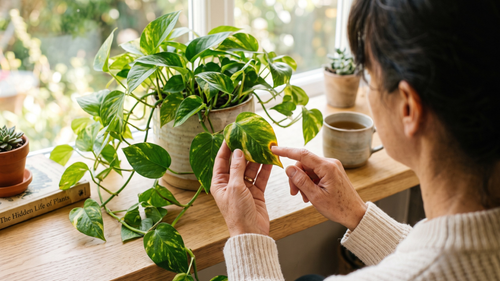
  • Dust leaves gently with a soft cloth so they can breathe and photosynthesize more easily.
  • Rotate pots a quarter turn so plants grow evenly and do not lean toward the window.
  • Scan for pests like tiny webs, sticky residue, or speckled leaves.

Roots are the engine of every plant, so we pay close attention to soil, pots, and nutrients. We choose:

When something looks off, our troubleshooting is usually:

  • Yellowing leaves: Check for overwatering or poor drainage.
  • Crispy edges: Check for low humidity or underwatering.
  • Slow growth: Check light level and feeding schedule.

By adjusting one variable at a time and referencing our own indoor plant guide, we keep problems manageable and plants thriving.

Designing Our Own Air-Improving Plant Layout at Home

Designing Our Own Air-Improving Plant Layout at Home

Before we add more plants, we walk through each room and really look at it. We notice:

  • Light: Is it bright, medium, or low, and is it direct or filtered?
  • Temperature: Are there drafts, heaters, or AC vents nearby?
  • Airflow: Can we open windows, and how does air move through the space?
  • Use: How much time do we actually spend in this room?

We like to place more plants in the rooms where we work, sleep, or relax. Some layout ideas we love are:

  • Leafy clusters near desks or reading chairs to soften screens and paperwork.
  • Hanging plants near the kitchen (away from heat and steam) to keep counters clear.
  • Compact plants on bedside tables or consoles for a gentle, calming presence.
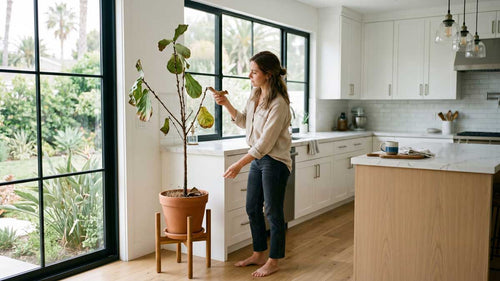
  • Taller floor plants in empty corners to draw the eye and make the room feel grounded.

We also think about air circulation. Instead of crowding pots shoulder to shoulder, we:

  • Leave small gaps between plants so air can move around leaves.
  • Mix heights and textures to create depth without blocking vents or windows.
  • Use plant stands to lift some pots higher and keep surfaces less cluttered.

This way, our layout feels intentional, supportive of air quality, and easy to maintain.

Our Personalized Indoor Plant Guide to Getting Started

When we bring home new air-supporting plants, we follow a simple checklist:

  • Quarantine new plants for a week or two away from the main collection to watch for pests.
  • Repot if needed into well-draining soil and a pot with drainage holes.
  • Label each plant with its name, light preference, and rough watering rhythm.
  • Place it in a spot that matches its needs, then resist the urge to move it constantly.

We keep plant care low-stress by tracking it in a simple notebook or app. We note:

  • Watering dates and how thoroughly we watered
  • Feeding schedule and which fertilizer we used
  • Repotting dates and any soil or pot changes

With Houseplant Resource Center’s soils, fertilizers, and tools, we always have a reference point when something shifts. Our indoor plant guide grows alongside our collection, and over time we learn which routines fit naturally into our lives and which plants make our homes feel the freshest.

FAQs About Air-Improving Houseplants

Do houseplants really clean the air in my home?

We find that healthy plants can gently support better indoor air and humidity, but we still rely on good ventilation, cleaning, and smart product choices.

How many plants do I need to notice a difference?

We usually focus on several medium plants in the rooms we use most, but even a few well-chosen plants can make a room feel fresher and more comfortable.

Which air-improving plant is easiest for beginners?

We often suggest snake plants or pothos because they handle low to medium light and occasional watering mistakes while still growing well.

Are air-purifying plants safe for my pets?

Some common plants can be toxic if chewed, so we always check toxicity lists and place risky plants where curious pets cannot reach them.

How do I use this indoor plant guide with my existing plants?

We review what we already own, match each plant to these care ideas, then slowly adjust watering, light, and feeding so everything feels manageable and sustainable.

Nourish Your Indoor Jungle With Confidence

Nourish Your Indoor Jungle With Confidence

If you are ready to help your houseplants thrive, we are here to support you every step of the way. At Houseplant Resource Center, we created an in-depth indoor plant guide to simplify watering, feeding, and troubleshooting common issues. Explore our practical tips today so you can grow healthier, greener plants with less guesswork.

Houseplants small

ARE YOU STARVING YOUR PLANTS?

Get Indoor Plant Food Now!

Buy Now