Palm Plant Brown Tips: Diagnose Causes (Water, Humidity, Fertilizer, Light)
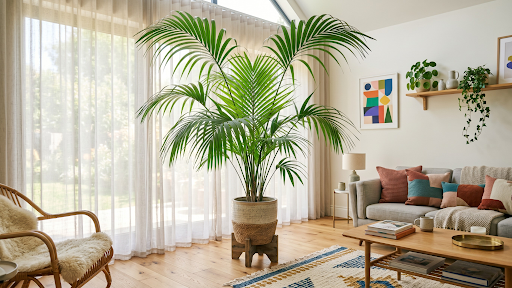

Brown tips on a palm plant feel scary. I see those crispy edges and think the whole plant is dying. The good news is that brown tips are usually a warning sign, not the end. My palm is telling me something is off, and once I understand the message, I can fix it.
In this indoor plant guide, I walk through a simple, step-by-step flow to figure out what is wrong. I focus on the big troublemakers, like water quality, dry air, fertilizer burn, light, heat, and pests. When I sort those out early, I protect the roots, keep fronds from dropping, and support strong new growth, especially in late spring and early summer when palms want to grow indoors. I like using clear checklists and quick fixes so I am not guessing or overcorrecting.

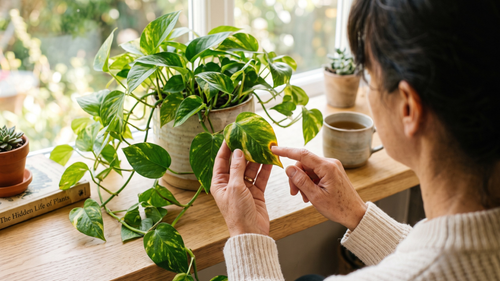
I always start by really looking at the plant before I change anything. A slow walk around the pot tells me a lot.
First, I check the whole plant, not just the tips. I ask myself:
Then I look close at the tips and edges:
Next, I notice where the damage is:
I also peek at the soil and pot. I look for white crust on top of the soil, compacted mix that stays soggy, or a pot without drainage. Those are big clues that my watering or fertilizer routine needs a reset.

Palms can be picky about both water and air. I start with my water source. If I use hard tap water, softened water, or very chlorinated city water, salts and chemicals can build up over time and burn the roots and tips. White crust on the soil or pot is a strong sign of mineral buildup.
Here is how I fix water issues in a simple way:
Next, I do a humidity reality check. With the AC running in June, indoor air can get very dry. Many palms like moderate humidity, not desert air. Rather than guessing, I use a basic hygrometer to see what is really happening.
If humidity is low, I focus on what actually works:
Random misting mostly makes me feel better, but it does not raise humidity for long. I prefer steady, gentle changes that do not invite mold or fungus gnats.
Indoor palms do not like heavy feeding. Too much fertilizer can burn the roots and edges and show up quickly as brown tips.
I look for fertilizer burn signs like:
My feeding style for palms is gentle. I:
To manage salts in the soil, I like to leach the mix every so often with plenty of clean water. If the soil is old, compacted, or stays wet too long, I repot into a fresh, well-draining palm mix. Fresh soil with the right texture helps roots breathe and keeps salts from building up quickly.
I also change my feeding by season. During bright, warm months, I might feed a bit more often. In low light in winter, I cut back, because palms grow slower and do not use as many nutrients.
Light and heat can quietly push palm tips over the edge. Too little light gives me leggy, weak growth and a dull color. Too much direct sun, especially in south- or west-facing windows, can cause bleached spots and crispy tips.
I adjust placement like this:
Then I check for pests. Brown tips alone are not a classic pest sign, but pests weaken the plant so tips brown faster. I inspect both sides of each frond and the stems for:
If I find pests, I isolate the plant, gently rinse the fronds, and use a plant-safe insecticidal soap or neem product on a regular schedule. I also keep humidity in a healthy middle range, which makes life harder for spider mites without turning the pot into a swamp.
At this point, I like to run through a simple diagnosis flow:
For each answer, I match a clear action: change water type, tweak watering timing, raise humidity, reduce fertilizer, move the plant, refresh soil, or treat pests. I also trim only the brown parts of the tips with clean scissors, following the leaf shape, and leave the green tissue so the plant can still use that frond.
Then I watch new growth over the next 4 to 6 weeks. New fronds staying green tells me I solved the real problem. I like jotting down what I changed in a simple checklist so I can learn how my own palm responds in my own home.

I keep brown tips from coming back by building easy habits. Each week I do a quick visual check of leaves and feel the top inch or two of soil before I water. Each month I look for salt buildup, give a good flush if needed, and do a closer pest check. With a moisture meter, a hygrometer, a steady humidifier, and quality soil and nutrients, I can fine tune my space so palms feel at home even indoors.
As seasons change, I adjust gently. In summer, when light is stronger and days are longer, I may water a bit more and offer light feeding. In winter, I often pull palms closer to windows, water less often, and pause or reduce fertilizer. These small shifts keep my palms steady so brown tips become rare guests instead of constant visitors.
I may still have low humidity, salt buildup, or light and heat stress, so I check each factor and focus on how new growth looks, not old leaves.
I usually trim just the brown areas with clean scissors, following the leaf shape, and avoid cutting into healthy green tissue.
I water when the top inch or two of soil feels dry, not on a strict schedule, and I let extra water drain fully from the pot.
Yes, strong or frequent feeding can burn delicate roots and leaf edges, so I stick with palm-safe fertilizer at gentle dilution and timing.
It might be, so I check with a hygrometer and, if humidity is low, I use a humidifier, group plants, or move the palm away from vents.

Ready to give your indoor jungle the consistent care it needs to thrive? At Houseplant Resource Center, we created an easy-to-follow indoor plant guide to help you feed and support your plants with confidence. In just a few minutes, you can learn exactly how often to fertilize, how much to use, and what to watch for in your plant’s growth. Start using our recommendations today so your houseplants stay vibrant, resilient, and beautiful all year long.


We are an Amazon Certified Small Business! Small businesses are the backbone of the US economy; they create jobs and drive innovation. We appreciate YOU helping small businesses on Amazon!