Propagation Tips for Beginners Who Love Houseplants

Propagation is simply making new plants from plants I already have, and it might be the most satisfying part of my houseplant care. I snip a stem, pop it in water or soil, and a few weeks later I have a brand-new baby plant to love or share. It turns a simple houseplant care guide into something creative, hands-on, and honestly a little bit addictive.
At Houseplant Resource Center, I keep propagation simple and practical, using tools and methods I actually use at home. I am not promising that every single cutting will root perfectly, because plants always have a mind of their own. What I can promise is that with good basic care, a little patience, and optional helpers like rooting hormone, plant propagation drops, or a root stimulator for plants, I can dramatically boost my chances of success without overcomplicating things.

Some plants are just easier than others, and those are the ones I like to start with. For beginners, I usually recommend plants that root quickly and forgivingly, like pothos, Monstera, philodendron, hoya, and fiddle leaf fig. Once I have a few wins with these, I can branch out into more finicky species.
When I pick a stem to cut, I look for:
I like to think of a rooting supplement for houseplants as a gentle safety net. A light dusting of rooting hormone for cuttings or a few drops of a propagation promoter in water helps support root development in cuttings without forcing them to grow faster than they are ready. The key is to treat these products as support, not a shortcut to skip good plant care.

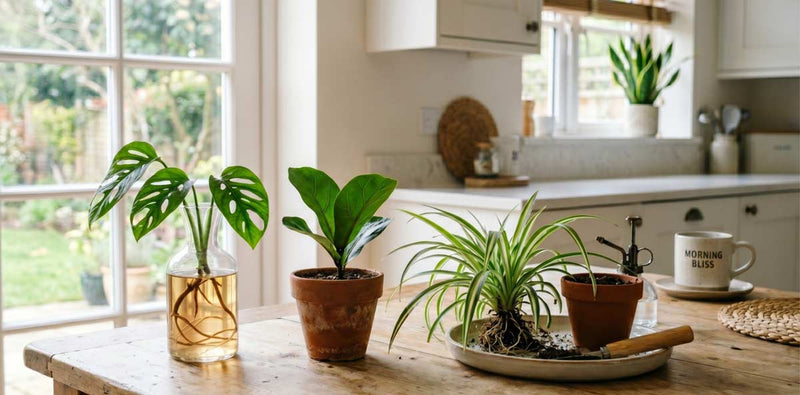
There are lots of ways to propagate, but I tend to stick to three beginner-friendly methods that cover most plants in a typical indoor jungle.
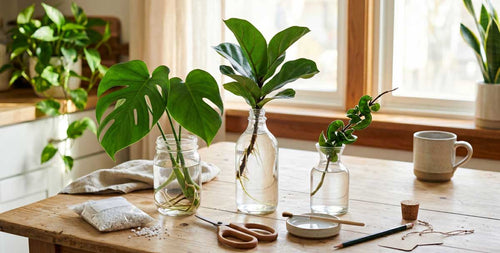
Water propagation is perfect when I want to watch roots form. Here is how I usually do it:
Soil propagation is a little closer to how plants grow in nature and can lead to sturdier roots. I stick the node into slightly moist, airy soil and keep the pot warm and humid. In this case, I might dust the cut end with rooting hormone, then gently press it into the soil so the node is completely covered.
Node or leaf cuttings are great for vining plants and some succulents. I separate the stem into smaller pieces, each with at least one node, or tuck leaves into soil for plants that root from leaf cuttings. This is when I am extra careful with products, because delicate pieces can be overwhelmed if I overdo a root stimulator for plants or similar boosters.
A few little tricks make a big difference in any houseplant care guide:

Even the best cutting will struggle if the environment is off. I aim for bright, indirect light, slightly warm temperatures, and higher humidity than I might give a mature plant. A sunny windowsill that does not get harsh midday rays is usually perfect.
For soil, I like a light, chunky mix rather than something heavy and compact. Depending on the plant, I may add perlite or bark so the node has both moisture and air. Sometimes I skip classic powders and use an alternative to rooting hormone for houseplant cuttings, like a lightly enriched soil blend or a very gentle organic additive that encourages steady, slow growth.
With any propagation promoter product, less is usually more. I always start with the minimum amount suggested, see how the plant responds, and only then consider increasing. New roots are tender, and a heavy hand with fertilizer, root stimulator for plants, or concentrated root drops for propagation can stress them instead of helping.

Even with the best setup, not every cutting will cooperate, and that is normal. The most common problems I see are:
When things go wrong, I pause the extras first. I stop using rooting hormone, plant propagation drops, or any fertilizer, and instead reset the basics: cleaner water, better airflow, and slightly brighter indirect light. If a cutting is fully mushy from the node up, I generally let it go and start fresh, but if part of the stem still feels firm, I may recut above the rot and try again.
Once roots are a couple of inches long and branching, I know it is time to pot up. I gently move the cutting into moist, airy soil, making sure to spread roots out instead of packing them into a tight ball. For the first few weeks, I:
Over time, propagation becomes a rhythm. I start with a few easy cuttings, see what works in my specific home environment, then slowly add new species and methods. My favorite mindset is to treat each cutting as practice. Tools like rooting hormone for cuttings, a gentle propagation promoter, or root drops for propagation are helpful, but the real magic comes from patience, observation, and consistent care.

I usually see roots anywhere from 2 to 6 weeks, depending on the plant, method, and how ideal the conditions are.
I do not have to, but I find that a light touch of rooting hormone or similar products can improve success, especially with fussier plants.
I typically check for low light, dirty or stagnant water, or a damaged node, then recut the stem, refresh the water more often, and move it to brighter indirect light.
I like to wait a few weeks after potting into soil, then start with a very diluted fertilizer so the new roots do not get shocked.
I cannot, because different plants prefer different methods, so I always check what works best for that specific plant before taking cuttings.
At Houseplant Resource Center, we share clear, practical instructions that help you understand exactly what your plants need. You will get straightforward tips on watering, light, soil, and troubleshooting common problems. Start building a healthier, greener home with guidance you can return to again and again.


We are an Amazon Certified Small Business! Small businesses are the backbone of the US economy; they create jobs and drive innovation. We appreciate YOU helping small businesses on Amazon!