Questioning My Houseplant Care Guide after a Root Rot Scare

I thought I had my houseplant care guide nailed. Water on a schedule, same potting mix for almost everything, fertilizer on repeat, and plenty of love. Then one morning, I caught a whiff of that sour smell from a favorite plant and saw yellow leaves and mushy stems. My “perfect” routine had failed, fast.
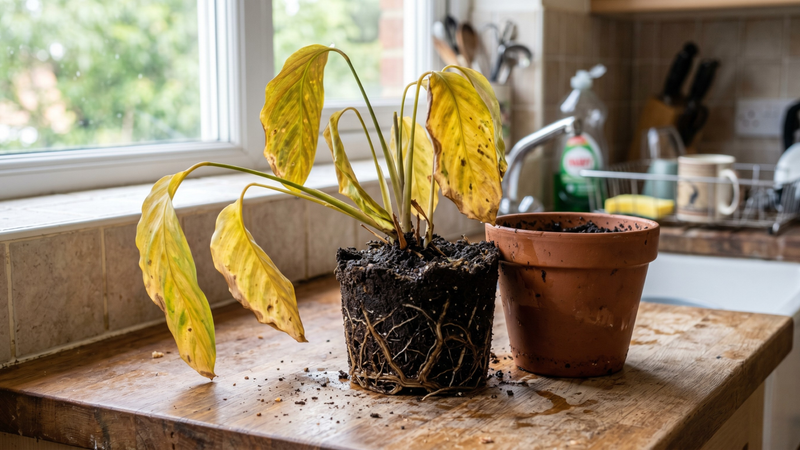
When I slid the plant out of its pot, my stomach dropped. The roots were soft and dark, the soil was soggy, and all that confidence I had built around plant care felt shaky. That root rot scare became a big wake-up call for me, and it pushed me to rethink how I water, how I pot, and how I read what my plants are trying to tell me.

Unpotting that plant felt like opening a mystery I did not really want to solve. The soil at the bottom was packed tight and dripping wet. The roots that should have been firm and white were brown and mushy. There was a drainage hole, but the soil was sitting heavy and waterlogged.
I realized my houseplant care guide leaned way too hard on rules like “water every 7 days” instead of checking the actual plant. I was not paying close attention to simple cues, like:
I also saw how much generic advice I had picked up without adjusting it for my own home. My light is not the same in every room. My humidity changes when the heater runs. Different plants in the same mix were reacting in very different ways. Root rot exposed all of that in one messy, smelly moment.

After that scare, I stopped trusting the calendar and started listening to the plants. I rewrote my watering rules so they were based on feedback, not habit. Now I:
I also broke up with heavy, all-purpose soil for houseplants. Instead, I shifted to airy, houseplant-specific mixes that stay fluffy and let roots breathe. That alone made a big difference in how fast the soil dries and how healthy the roots look when I repot.
My drainage checklist changed too. I make sure:
That last shift helped me rethink drainage completely. Instead of relying on random rocks tossed into the bottom of the pot, I focus on creating a full system that supports healthier roots: breathable soil from top to bottom, proper drainage holes, and a stable base layer that helps prevent roots from sitting directly in soggy soil after watering.
I also had to rethink feeding. Before, I sometimes fertilized on autopilot, even if a plant looked stressed. Root rot taught me that a plant sitting in wet soil cannot use nutrients well. Adding more food at that moment can burn weak roots or push the plant even harder when it is already struggling.
Now my fertilizer routine is softer and more seasonal. When roots are recovering, I either pause feeding or use a very light dose. Once I see fresh, strong growth in late spring and summer, I:
Light was another big piece. Roots stay healthier when the plant can actually use the water it gets. I started moving plants closer to bright, indirect windows, rotating them often so each side gets light, and watching how that changed soil drying time. Better light helped keep the soil from staying damp for days, which is exactly what root rot loves.

After that scare, I tossed the idea of a strict, one-size-fits-all houseplant care guide. Instead, I built a flexible guide that works like a living document. I track:
My guide now includes the tools I rely on from Houseplant Resource Center, like houseplant-specific soils, moisture meters, and root supplements that simplify my choices. These tools remove some of the guesswork and help me react to what plants actually need, instead of what I think they should need.
I also pay a lot more attention to early warning signs. If growth slows way down during a growing season, leaves droop for no clear reason, or the soil stays wet much longer than usual, I treat that as a yellow light. I adjust watering, check the roots, or move the plant to better light before it becomes another full-blown root rot event.
Now I keep a simple root rot plan in my back pocket. When I suspect trouble, I:
I also build prevention into every new setup. I choose pots that are not too big, so the soil does not stay wet forever. I start with high-quality houseplant mix instead of dense outdoor soil. I set casual reminders to check roots every few months when I am already dusting leaves or rotating plants.
Most of all, I shifted my mindset. Instead of treating mistakes as proof that I am bad at plants, I see them as information. That root rot scare hurt, but it pushed me to build a kinder, more realistic houseplant care guide that fits my real home and real life.

I water only when the top 1 to 2 inches of soil feel dry or the moisture meter reads dry, not on a set calendar.
If I catch it early, remove all mushy roots, and repot in fresh, well-draining soil, many plants grow back with time and gentle care. Adding our Root Rot Repair can also help your plant recover quickly.
I have found that houseplant-specific mixes drain faster, hold the right amount of moisture, and keep indoor roots healthier than heavy garden soil.
I wait until I see new, healthy growth, then start with a diluted, houseplant-safe fertilizer about once a month during the active growing season.
I make sure there are large drainage holes, water runs through quickly, and the pot is not sitting in standing water inside a cover-pot.
If you are ready to feel confident about every plant you bring home, our comprehensive houseplant care guide is the best place to start. At Houseplant Resource Center, we break down watering, light, soil, and troubleshooting into simple steps you can actually follow. Use these clear, practical tips to diagnose issues early and help your plants thrive for the long term. Dive in today so you can spend less time stressing over leaves and more time enjoying a healthier, greener home.


We are an Amazon Certified Small Business! Small businesses are the backbone of the US economy; they create jobs and drive innovation. We appreciate YOU helping small businesses on Amazon!