How to Grow Thriving Blueberry Bushes in Containers
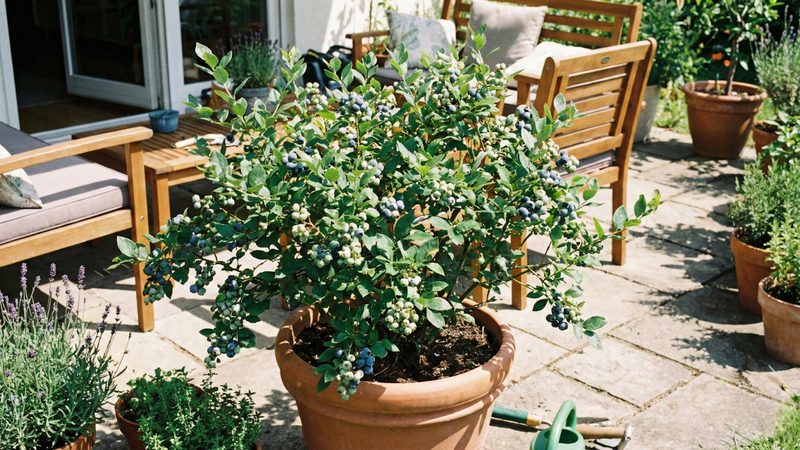


Growing blueberries in containers is one of our favorite ways to get fresh fruit in small spaces. We first got into container blueberry growing when we realized we could harvest fresh berries on a patio without garden beds or a big yard. It felt pretty amazing, and it still does every time we spot those first flowers and ripening berries.
Blueberries actually like containers when we give them what they want: acidic soil, steady moisture, lots of sun, and room for roots. Pots make it easier to control all of that. At Houseplant Resource Center, we focus on simple, science-backed care for plants in pots and small spaces, and blueberries fit right into that world. We want to show how doable this is, even if all someone has is a balcony and a few sturdy pots.
When we plan our container blueberry growing setup, we always start by choosing varieties bred for pots and containers. Compact and dwarf types stay smaller, fruit well in tight spaces, and are easier to move around. We look at:
We also think about the container itself. For a young plant, we like to start with at least a 5 to 7 gallon pot, then move up as the plant fills out. For a mature bush, a 10 to 15 gallon container gives roots the space they need.
Here is what we look for in pots:
For good harvests, we grow at least two compatible varieties in separate pots. That helps with cross-pollination, which often means more berries and bigger ones too.
Blueberries like acidic, airy soil, not regular garden dirt. For successful container blueberry growing, we rely on a custom acidic potting blend that stays airy but moisture-retentive. Our goal is a pH on the acidic side, and a mix that drains well while still holding some moisture.
We like a blend that includes:
We always use a container with solid drainage holes and sometimes add pot feet or bricks underneath to keep water from pooling under the pot. The soil should feel chunky, not heavy or sticky, so roots never sit in water.
To keep pH and nutrients in a healthy range over time, we lean on specialized soil mixes and amendments from Houseplant Resource Center. A light refresh of soil at the top of the pot each year, plus gentle acidic amendments, helps the plant stay steady and productive.
Container blueberries love sun. We aim for at least 6 hours of direct light a day. On a patio or balcony, that often means placing pots where they get morning and midday sun, then maybe light afternoon shade if summers get very hot where we are.
Our watering method is simple:
We want the soil to stay slightly damp, not soaked and not bone dry. That balance helps prevent root rot and keeps leaves from getting crispy.
For feeding, we use an acid-loving fertilizer that supports both foliage and fruit. During active growth and fruiting, we like light feeding every few weeks. As plants move toward dormancy, we slowly back off on feeding and let them rest.
Container blueberry growing stays low-stress for us because we follow a simple weekly routine for light checks, watering, and feeding instead of guessing.
Pruning might sound scary at first, but it is not. We do most of our pruning when plants are dormant. We focus on:
Every couple of years, we look at the roots to see if it is time to repot. If roots circle the pot or poke out the drainage holes, we move up to a slightly larger container. We gently loosen roots, refresh the potting mix, and keep the plant well watered while it settles in.
Seasonal care is where containers really shine. Because we grow in pots, container blueberry growing lets us move our bushes for better protection during harsh seasons. In winter, that might mean sliding pots against a protected wall, adding mulch on the soil surface, or wrapping the container. In heat waves, we may shift pots to light afternoon shade and water more often to help berries and leaves stay happy.
When something looks off, we do not panic; we just work through a simple checklist. Whenever we run into issues with container blueberry growing, we start by checking pH, water habits, and sunlight before changing anything else.
Common issues and what we look at:
We watch for pests like aphids or spider mites and focus on gentle, targeted treatments plus good airflow. If fruit set is low, we check:
For tools, we keep things simple. We rely on a pH meter or test kit, a moisture meter, sharp pruning shears, and solid containers. By pairing simple routines with our Houseplant Resource Center soil and nutrient line, we have made container blueberry growing almost foolproof for our own spaces and for other small-space gardeners who follow our guides.
A: We usually start with at least a 5 to 7 gallon pot and size up to 10 to 15 gallons as the bush matures so roots have room to grow.
A: Yes, as long as the balcony gets good direct sun and we can shield pots from strong wind and extreme temperatures.
A: We usually see a small harvest in the second year, with bigger crops by the third or fourth year as plants settle in.
A: We get the best yields by growing at least two compatible varieties so cross-pollination is stronger.
A: We feed lightly with an acid-loving fertilizer every few weeks during active growth, then pause feeding as plants head into dormancy.
If you are ready to take your container blueberry growing to the next level, we are here to help you choose the best, acid-friendly mixes and amendments. Explore our curated soils and supplies for container blueberry growing so your plants can thrive with stronger roots and better fruit yields. At Houseplant Resource Center, we focus on providing practical tools and guidance so you can enjoy a more productive balcony or patio harvest.


We are an Amazon Certified Small Business! Small businesses are the backbone of the US economy; they create jobs and drive innovation. We appreciate YOU helping small businesses on Amazon!