Does Cal-Mag Really Work for Houseplants

Cal-Mag bottles seem to pop up in every houseplant group and garden center lately, often treated like a magic fix for sad, yellowing leaves. As someone who cares deeply about houseplants, this topic matters to me because if I use Cal-Mag the right way, it can genuinely support plant health, but if I use it blindly, it can create new problems in my pots. At Houseplant Resource Center, I see a lot of confusion around this one product, especially from indoor growers who are already trying to do everything right.
Cal-Mag is simply a supplement containing calcium and magnesium, sometimes with a little iron. I first started seeing it pushed as a cure-all for every leaf issue, and while that is tempting, it is not accurate. In this article, I walk through when Cal-Mag really works for houseplants, when it will not fix the real issue, how different forms work, and how I personally decide if my plants actually need it.

To understand if Cal-Mag works, I have to know what these nutrients actually do. Calcium helps build strong cell walls, supports new leaf and root growth, and helps roots function properly. Magnesium sits at the center of the chlorophyll molecule, which means it is tied directly to photosynthesis and that rich, green leaf color I love.
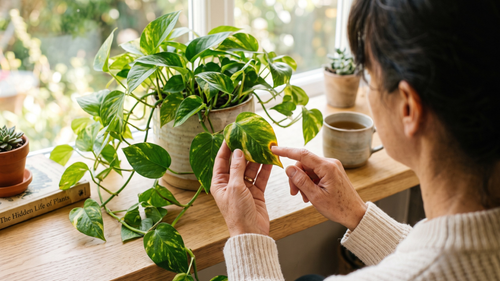
Here are the classic symptoms I watch for:
True calcium and magnesium deficiencies are less common in quality potting mixes, because many mixes are pre-charged with some minerals. However, they can happen if my watering habits, potting medium, or fertilizer choices do not provide enough ongoing calcium and magnesium. That is where a guide like this becomes helpful, so I am not guessing in the dark.
There are specific situations where I have seen Cal-Mag make a clear, positive difference. One big one is when I use reverse osmosis or distilled water. Those water sources are almost empty of minerals, so unless my fertilizer or soil adds calcium and magnesium, plants can run short over time.
Another situation is when I grow in coco coir or very soilless container mixes. Coco can hold on to calcium and magnesium in a way that keeps plants from getting enough, especially with frequent watering. In those setups, I often add Cal-Mag to my regular feeding routine to keep levels steady and prevent subtle deficiencies from building up.
For indoor fruiting plants like peppers, tomatoes, and other edibles under lights, I also think about blossom end rot. That dark, sunken spot on the bottom of fruits is associated with inconsistent calcium availability paired with irregular watering. Cal-Mag can help ensure calcium is present, but the real key is:
So yes, Cal-Mag works in these cases, especially with RO water, coco, containers, and indoor fruiting plants. It just has to be paired with good basic care.

Many issues that look like nutrient problems are actually basic care problems. Before I ever grab a Cal-Mag bottle, I ask a few questions about my plants:
Overwatering, underwatering, and salt buildup can all cause yellowing leaves, brown tips, and weak growth that mimic deficiencies. In those cases, more Cal-Mag just adds to the salt load and makes things worse.
I also pay attention to pH. If the water or potting mix is too far outside the ideal range, calcium and magnesium can be present but unavailable. That is called nutrient lockout. Keeping pH in a reasonable zone helps my existing nutrients work better, so sometimes I fix pH and suddenly the plant perks up without any extra supplement.
Finally, I rule out pests, disease, and root damage. Mushy roots, fungus gnats, mealybugs, spider mites, or bacterial leaf spots will not be solved with Cal-Mag. My step-by-step before blaming a deficiency is simple:
If any of those are off, I correct them first.

Not all calcium sources are created equal, which is where chelated vs. non-chelated calcium comes in. Chelated calcium means the calcium is bound to an organic molecule that helps keep it available to plants longer, especially in softer water or slightly acidic mixes. Non-chelated forms, like calcium nitrate or calcium carbonate, are more basic and can still work well, especially when pH and watering are already in a good range.
I tend to prefer:
Reading labels is important. I check:
Then there is the question of liquid vs granular products. Liquid Cal-Mag dissolves right away, so I can mix it with my regular fertilizer and give small, frequent doses. That is convenient for container plants and grow-light setups where I water more often. Granular or powdered calcium, like lime or gypsum, breaks down more slowly. I use it when I want to build up the potting mix over time, by mixing it into fresh soil or lightly top-dressing and watering it in.
My decision usually looks like this:
Along the way, I have made my share of mistakes. I used Cal-Mag as a blanket fix for every yellow leaf, only to realize I was stacking it on top of a strong fertilizer and a bloom booster. That overloaded the soil with extra salts and threw off the overall N-P-K-Ca-Mg balance.
Now I follow a simple checklist before I add Cal-Mag for any specific plant:
My decision process is slow and steady. I identify symptoms, confirm water type, review potting mix and container size, then consider pH before reaching for Cal-Mag. When I do decide to try it, I start low, go slow, and avoid changing too many variables at once so I can actually tell what helped. Taking basic notes on what I added and when turns my experience into a personal houseplants guide I can rely on in the future.
In the end, Cal-Mag does work when my plants truly need calcium or magnesium, especially in RO water setups, coco or soilless containers, and for fruiting plants with blossom-end rot risk. It will not fix poor watering habits, bad drainage, pH problems, or damaged roots. I treat it as one tool in a larger indoor plant care toolkit that also includes good soil, smart watering, proper light, and a balanced fertilizer.
I find Cal-Mag helpful only when my plants actually lack calcium or magnesium, and most houseplants in a quality potting mix with a balanced fertilizer do not need extra.
I usually start at the lowest label rate every second or third watering, then adjust or back off based on how my plants respond.
Yes, but I always check labels to make sure I am not doubling up on calcium and magnesium or pushing the total nutrient load too high.
Sometimes it can help if the yellowing is from magnesium issues, but more often my yellow leaves come from watering, light, or normal aging.
I see foliar sprays as a short-term boost, while long-term health comes from getting calcium and magnesium into the root zone through my soil and watering routine.

If you are ready to stop guessing and start growing healthier plants, we are here to help. Our comprehensive houseplants guide walks you through everything from picking the right plants to solving common problems before they get serious. At Houseplant Resource Center, we share practical, real-world tips so you can enjoy thriving greenery in every room. Take the next step toward a greener home and feel confident caring for your plants all year long.


We are an Amazon Certified Small Business! Small businesses are the backbone of the US economy; they create jobs and drive innovation. We appreciate YOU helping small businesses on Amazon!