Decoding My Houseplant Care Guide After a Summer Heat Wave
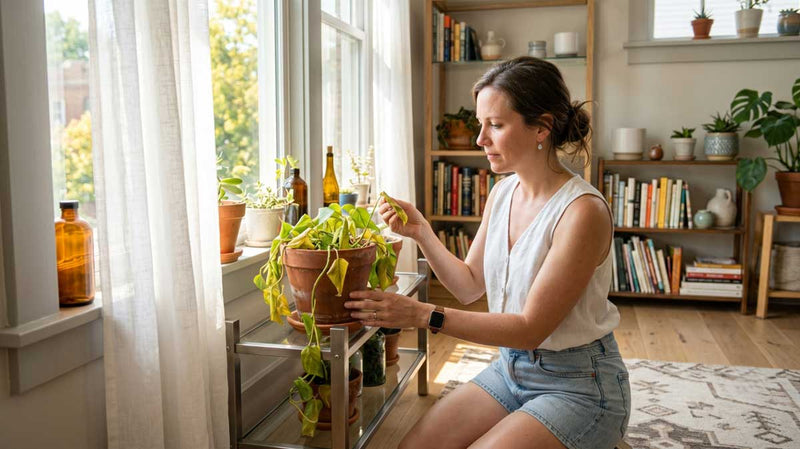

A big heat wave can undo months of good houseplant care in just a few days. Hot sun, dry air, and blasting AC all hit at once, and suddenly my usual houseplant care guide does not work anymore. My plants go from happy to droopy so fast that it feels confusing and a little scary.
After one long stretch of extreme heat, I had to rethink almost everything about how I care for my indoor plants, even though they were safe inside. I learned that things like sunny windows, closed stuffy rooms, and cold AC drafts can quietly stress plants until they crash. Here, I want to share what I changed, what I wish I had known sooner, and how I now prep my plants before the next heat wave shows up.

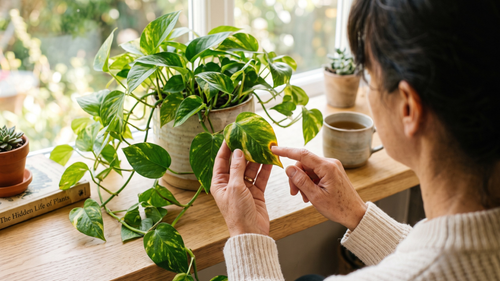
Heat stress can sneak up on me. By the time leaves are crispy, the plant has been struggling for a while. Now I watch for small signs so I can step in fast.
Early warning signs I watch for include:
At first, I mixed up heat stress with watering problems. Now I slow down and check three things:
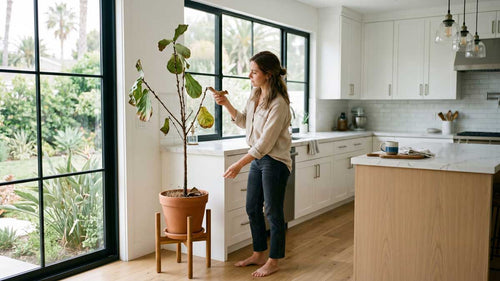
If I think heat is the main issue, I act the same day. I move the plant a bit farther from the window, pull a sheer curtain, or rotate it so the leaves get softer light. I may also:
Those quick "triage" steps often keep a stressed plant from tipping into real damage.

After that rough heat wave, I rewrote my houseplant care guide with a summer section. The plants did not change, but their needs did, and my routine had to catch up.
Here are the seasonal tweaks I now build in:
I also switched some plants into more breathable soil mixes. During heat waves, dense soil stayed wet at the bottom while the top dried fast. Roots ended up stressed from both dryness and lack of air. A mix that drains well and lets air flow helps roots handle quick dry-outs better.
I like using simple tools so I am not just guessing. A moisture meter helps me read what is happening deeper in the pot, especially for larger containers. When plants are stressed, I lean on gentle, balanced fertilizers from the Houseplant Resource Center and use them at lower strength. That way I support growth without pushing tender or damaged roots too hard.

During hot spells, I now treat watering as a flexible habit, not a calendar event. I moved most watering to early morning, before the sun and heat peak. The water has time to soak in, and less of it evaporates right away.
My "water day" mindset changed to a "check and respond" approach:
Light was another big change. Direct afternoon sun through glass can cook leaves, even on plants that usually love bright light. I started:
Heat and AC can dry the air inside, so I boosted humidity, but in simple, controlled ways. My favorite tricks are:
I still keep an eye out for fungal problems. Extra humidity plus high heat can invite issues, so I leave space between plants for airflow and remove dead leaves quickly.

Now I keep a simple emergency plan ready for the next heat wave. It sounds dramatic, but it saves time when the forecast suddenly jumps.
My checklist includes:
When I see a heat wave coming, I do some prep work:
I also keep a simple plant log during extreme weather. Nothing fancy, just notes like "moved plant away from south window" or "soil dried out in 1 day." Each summer, those notes help me tweak where I place plants, how often I check them, and what worked best under stress.
Heat waves are stressful, but they do not have to wipe out my indoor jungle. With a few smart changes to my houseplant care guide, I can protect roots, prevent leaf burn, and help plants bounce back faster.
I like to keep things simple and repeatable. I review my care routines before peak summer, make a short heat-wave checklist, and keep key tools handy so I am ready instead of surprised. Whether I care for a few windowsill plants or a whole living-room forest, these small shifts make a big difference in how my plants handle serious heat.

I check the soil daily in extreme heat and only water when the top inch or two is dry, instead of using a fixed schedule.
I usually reduce the strength of fertilizer or pause feeding during severe heat so I do not stress the roots.
I move them if the sun is harsh or burning leaves, then give them bright but indirect light so they still get enough energy.
I use fans on a gentle, indirect setting for airflow but avoid blasting plants with strong, direct air.
I often see small improvements within a week, but full recovery can take several weeks, depending on how hard the plant was hit.
If you are ready to give your plants the consistent care they need, our detailed houseplant care guide is the best place to start. At Houseplant Resource Center, we break down light, water, soil, and troubleshooting in practical, easy-to-follow steps. Use our tips to adjust your current routine, prevent common problems, and help your plants thrive all year long. Bookmark the guide so you can come back any time you need quick, reliable support


We are an Amazon Certified Small Business! Small businesses are the backbone of the US economy; they create jobs and drive innovation. We appreciate YOU helping small businesses on Amazon!