Can Fiddle Leaf Figs Survive Near AC Units?
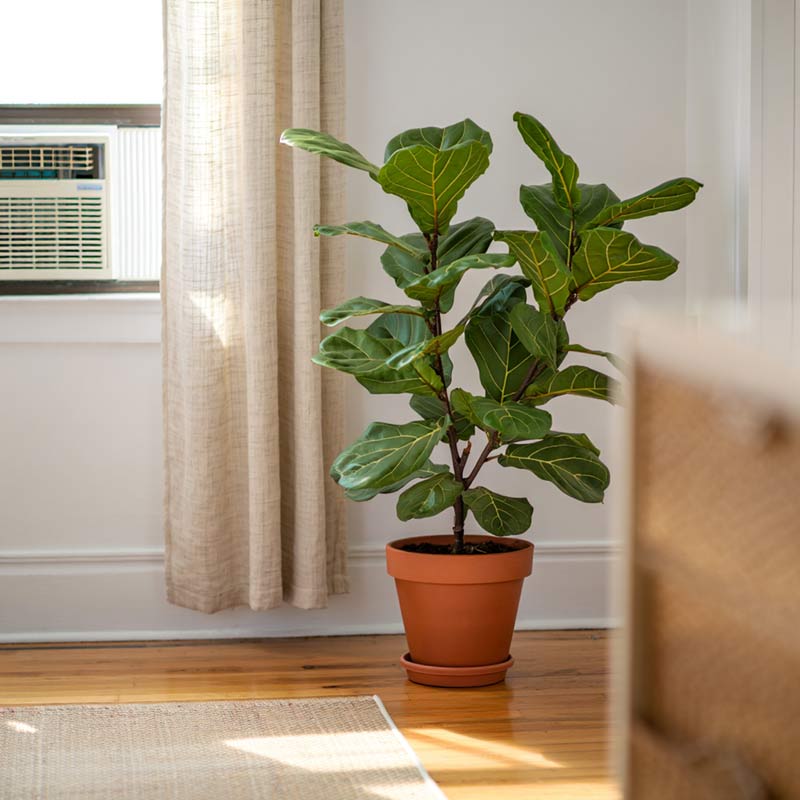

I've learned the hard way that placing a plant in just the wrong spot, even in a room with great light, can mess with its growth. A question I get pretty often is whether a fiddle leaf fig can handle being near an air conditioner. It’s something I wondered myself when I noticed my own fiddle leaf struggling mid-summer. The leaves looked droopy, and the edges were starting to turn brown. That was my first clue that something about its environment wasn’t working.
AC units do a great job keeping us cool, but they’re not always plant-friendly. Between cold bursts of air and drier indoor humidity, it can be tough for a tropical plant like a fiddle leaf fig to keep up. So let’s figure out what really happens to these plants near an AC and how to make sure yours won't just survive but keep thriving.
Fiddle leaf figs aren’t high-maintenance, but they are a little particular about their environment. When I think about what mine needs to stay happy, temperature and humidity come to mind first.
Here’s the sweet spot most fiddle leaf figs prefer:
When those conditions shift, even just a little, my plant starts to show signs of stress. An AC unit, especially one that blasts cold air directly on the plant or runs constantly, can throw off that balance quickly. The temperature drops in the room can make the fig feel like it’s facing a sudden cold snap, even though the rest of the room still feels comfortable to me.
Humidity is another thing to watch. Cooling systems often pull moisture from the air, which lowers the humidity. I’ve noticed that when I run the AC for long stretches, the air gets noticeably drier. For a fiddle leaf fig, that means less moisture through its leaves, which affects how well it photosynthesizes. You might start to notice leaves curling or turning crispy at the edges.
So if you're keeping your plant near an air conditioner, the first step is to keep an eye on its environment. A quick-read digital thermometer and a simple humidity monitor can help.

Positioning your fiddle leaf fig directly under or close to an AC vent can lead to a few problems that show up fairly quickly if you're paying attention. With mine, the first thing I spotted was a few leaves turning dry and brown. Over time, I also noticed a slowdown in its growth. That’s when I realized the airflow from the AC was drying it out and making it too cold during parts of the day.
Here are some of the common issues you might face:
It’s not always the AC unit itself that's the issue, but where the plant is in relation to it. Air that flows directly onto the leaves can cause them to lose moisture fast. Even if you're keeping up with watering, the leaf cells might still be drying out quicker than they can stay hydrated.
The trick is to spot these symptoms early and adjust the environment before things get worse. I’ve found that subtle signs, like slightly sagging leaves or tiny brown spots, are often the plant’s way of asking for help. And it tends to bounce back faster when I address those early rather than waiting until it’s dropping half its foliage.

When I had to move my own fiddle leaf away from the AC unit, the first thing I looked for was a spot in the house that stayed pretty stable in temperature. Anywhere the air was too drafty or where vents were blowing directly didn’t work. These plants really don’t like sudden changes in temperature or airflow right on their leaves.
What helped the most was placing the plant near a bright window, but slightly to the side so it didn’t get hit with direct sunlight or cold air. East- and north-facing windows worked best for me, depending on the time of year. I also tried to raise the pot a little off the floor using a stand, especially during the summer months when the AC kicked on more frequently. Cooler air tends to settle lower, and lifting it just a bit gives the roots a more consistent atmosphere.

Here are a few things that made a difference:
Each time I made even small adjustments to distance my plant from blowing air or added moisture to the space, I noticed improvements. The leaves perked up and stayed brighter, and it didn’t drop a single leaf for weeks. That kind of progress builds confidence when you’re learning plant care.
Even if your indoor space changes with the seasons or the AC is running most of the day, it’s still possible to help your fiddle leaf fig thrive. I stick to a few care habits that keep mine growing strong.
Watering properly might be the most important step. I check the top two inches of soil and only water when that feels dry. If I stick to a strict schedule, I risk giving too much during humid weeks and not enough during cool, dry stretches. Lighting matters too. So I pull open the shades every morning to get natural light in. If natural light is limited in your space, I’ve had great results with a simple full-spectrum grow light.
Here are the core care tips I follow for my fiddle leaf fig:
Some tools that helped me stay consistent included a moisture probe, basic LED grow lights, a liquid plant food, and a reminder on my phone to check for pests or dry soil.

If your fiddle leaf fig lives near an air conditioner, don’t panic. It doesn’t mean your plant is doomed. You just need to be a little more mindful of how the environment shifts. Things like cold air blasts, dry conditions, and inconsistent temperatures can be stressful to the plant, but they’re manageable.
I’ve seen major improvement just by moving mine a few feet away from the vent, adding a humidifier, and sticking to a solid watering routine. It’s not about creating the perfect setup. It’s about checking in regularly, being honest about what the plant needs, and being willing to make some changes when needed.
Keeping a fiddle leaf fig happy doesn’t have to be complicated. With the right light, warmth, and small adjustments during AC season, your plant can thrive right alongside you.
If you’re looking for easy ways to keep your plant happy year-round, we’ve got you covered with clear, step-by-step care instructions for fiddle leaf fig plants. Join the Houseplant Resource Center community to connect with other plant lovers, ask questions, and share your wins and challenges—we’re all learning together.


We are an Amazon Certified Small Business! Small businesses are the backbone of the US economy; they create jobs and drive innovation. We appreciate YOU helping small businesses on Amazon!