How I Use Cal-Mag to Grow Thriving Tomatoes and Peppers

I use Cal-Mag for tomatoes and peppers for the same reason I care so much about pothos plant nutrients and philodendron care: strong, healthy tissues need the right building blocks. Calcium and magnesium are two of those building blocks, and when I give them in the right amounts, my plants respond with thicker leaves, stronger stems, and better fruit. In this article, I am walking through how I actually use Cal-Mag for tomatoes, peppers, and my favorite houseplants, step by step.
I will cover what Cal-Mag is, how it fits into a full fertilizer routine, when to start using it in early growth versus fruiting, and how my approach changes in soil, containers, and simple hydro setups. I will also talk through frequency, signs of deficiency and overuse, and how the same lessons help me keep pothos and philodendrons lush and happy indoor.

Cal-Mag is simply a supplement that provides calcium and magnesium, sometimes with a little iron. I treat it as a focused tool, not a replacement for regular fertilizer. With fruiting crops like tomatoes and peppers, those two nutrients make a big difference in fruit quality and leaf strength.
I reach for Cal-Mag for tomatoes and peppers to help prevent:
I think about it the same way I think about pothos plant nutrients. My pothos and philodendrons start in a nutrient-rich potting mix, then I fine-tune with targeted amendments like Cal-Mag or balanced fertilizer when I see specific needs. Tomatoes and peppers get the same thoughtful approach instead of random guessing.

Calcium supports cell wall strength. In tomatoes and peppers, that translates into firmer fruits and fewer black, sunken spots at the blossom end. When calcium is not available, I see blossom end rot, weak stems, and leaves that tear easily.
I see the same pattern in my indoor plants. When pothos or philodendron leaves get flimsy, rip easily, or curl oddly, I think about:
Magnesium fuels chlorophyll production. When plants get enough magnesium, leaves stay deep green and photosynthesis runs efficiently. When they are short on magnesium, I see pale leaves with green veins, fading variegation on pothos, and tired looking philodendron foliage. That is why I treat Cal-Mag as a supplement layered on top of my regular fertilizer, not a full feed on its own.
I like to start Cal-Mag for tomatoes and peppers early, once seedlings have a couple sets of true leaves and are growing steadily. At that stage, I use a very light dose, usually every 1 to 2 weeks, to support:
As plants move into budding and fruiting, their demand for calcium and magnesium goes up. I often increase frequency slightly, especially in containers, and keep a close eye on the first few fruits. Once fruits are setting well and leaves look strong, I sometimes scale back to avoid buildup.
Indoors, I use a similar rhythm. I build nutrition into my pothos and philodendron soil mix, then add extra nutrients only when plants start pushing new growth or showing mild nutrient stress. I try to be proactive but gentle, not heavy handed.
My Cal-Mag routine shifts depending on where the plants live. In in-ground garden beds with good organic matter, I can often use Cal-Mag less often, because minerals hang around longer and soil life helps make them available.
Containers are different. Limited soil volume and more frequent watering mean nutrients can wash out quickly. For container tomatoes and peppers, I often:
I treat potted pothos and philodendrons the same way, with light, regular feedings and occasional flushing. In simple home hydro or semi-hydro setups, I am even more careful. I watch total nutrient strength, add Cal-Mag at the lower label rate, and only increase if I see clear signs of deficiency.

When it comes to Cal-Mag for tomatoes, peppers, and houseplants, I start conservative. My general baseline during active growth is:
I always follow label directions but usually begin at the lower end of the range. If leaves deepen in color, fruits look clean, and growth picks up, I might nudge the dose up a bit. If I notice any stress, I back off quickly.
I also pay close attention to pairing Cal-Mag with my regular fertilizer. For tomatoes and peppers, I choose a complete fertilizer that covers nitrogen, phosphorus, potassium, and trace minerals, then layer Cal-Mag on top. For pothos plant nutrients and philodendron care, I do something similar: a balanced fertilizer for regular feeding, plus occasional Cal-Mag if I see pale leaves or slower growth.
Over time, I have learned to read my plants. When tomatoes and peppers need more calcium or magnesium, I often see:
Signs of overuse look different. Salt crust on the soil surface, leaf tip burn, unusually dark, stiff foliage, or poor growth despite regular feeding tell me I am pushing too hard. When that happens, I flush the soil with plain water, pause Cal-Mag, and focus on gentle care.
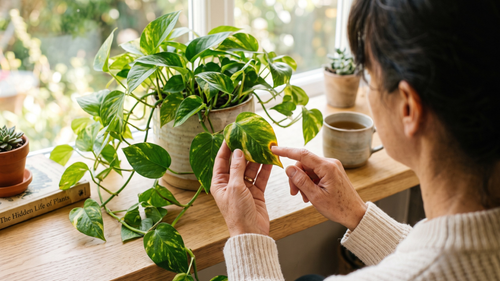
I use the same visual cues on pothos and philodendrons. If leaves are dull, stiff, or burned on the tips, I suspect overfeeding. If they are pale, thin, or losing variegation, I consider a gentle nutrient boost, sometimes including a tiny bit of Cal-Mag.
My biggest takeaway is that nutrients work best as part of a long term balance. I refresh and amend my houseplant soil over time with organic matter and slow release nutrients, then use Cal-Mag and other supplements as fine tuning tools. The same calm, observant approach that helps my tomatoes and peppers thrive outside also keeps my indoor jungle lush and steady.
I usually start with a light dose every 1 to 2 weeks during active growth and adjust based on leaf color, stem strength, and fruit quality.
I often do, but I always check both labels and keep the total strength modest to avoid salt buildup or nutrient lockout.
It helps prevent future blossom end rot by improving calcium availability, but it will not repair fruits that are already damaged.
I sometimes use a very diluted solution as an occasional supplement when I see pale leaves or slow growth, not as a regular heavy feed.
If I see leaf tip burn, white crust on the soil, or plants that are dark but not growing well, I cut back and flush with plain water.

If you are unsure exactly what your pothos needs to grow fuller, greener vines, we have broken it down for you with our complete guide to pothos plant nutrients. At Houseplant Resource Center, we share the specific nutrient ratios, schedules, and tips we use so you can confidently feed your plant. Start applying the right nutrients today so your pothos can recover from stress, put out new growth, and stay vibrant all year.


We are an Amazon Certified Small Business! Small businesses are the backbone of the US economy; they create jobs and drive innovation. We appreciate YOU helping small businesses on Amazon!