Propagation Promoters That Help Houseplants Root Faster
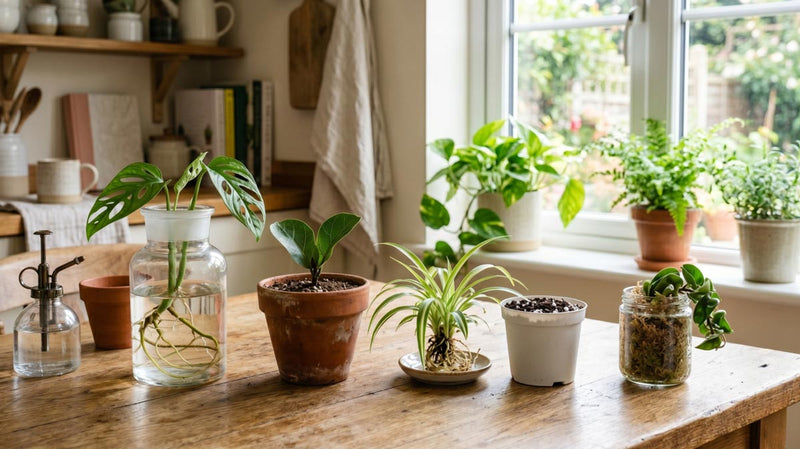

Propagation is one of my favorite parts of any houseplant care guide, because it turns one happy plant into a whole collection of new growth. With the right technique and a good propagation promoter, even finicky cuttings can root faster and grow into sturdy new plants. Instead of crossing my fingers and hoping, I can give each cutting exactly what it needs to succeed.
Inside every cutting, a lot is happening. The plant redirects energy to the cut node, where cells start to specialize into new root tissue, all while the stem tries to hang on to moisture and avoid rot. If that balance is off, the cutting collapses. That is where targeted helpers like rooting hormone, root drops for propagation, and a root stimulator for plants come in, giving the cutting a little nudge in the right direction.

When I say “propagation promoter,” I mean any product designed to help support root development in cuttings, not to feed an already established plant. Fertilizers and general plant foods are for long-term growth. A propagation promoter focuses on early root formation, stress reduction, and disease protection right at the start.
The main categories I reach for are:
Powder or gel rooting hormone coats the cut end with a concentrated dose where roots should emerge. Liquid plant propagation drops are easier to use in water propagation jars or when bottom-watering small pots. Microbial formulas rely on beneficial bacteria or fungi to help the cutting access nutrients and stay healthier.
I choose a rooting supplement for houseplants when I am working with slower or woody stems, or plants that have a reputation for sulking. For very easy plants, I might pick an alternative to rooting hormone for houseplant cuttings, like clean water, moss, or perlite, and save the stronger tools for the more demanding projects.

Not every plant, and not every method, calls for the same product. My decisions usually start with plant type and propagation setup. For pothos, monstera, philodendron, hoya, fiddle leaf fig, and other common indoor plants, I match the cutting to the right helper.
Here is how I often decide:
In water jars, I prefer liquid options like root drops for propagation. These mix evenly and avoid clumping on the stem. In soil or moss, I might dust the node with powder or coat it with gel, then plant it into a light, airy mix so oxygen can still reach the cut.
When I read labels, I keep an eye on:
Overusing a rooting supplement for houseplants can actually slow things down, so I stay close to the recommended dose and adjust slowly if needed.

For powder or gel rooting hormone, my basic routine is simple and repeatable. I always:
Then I:
For root drops for propagation or other liquid plant propagation drops in water:
My simple success checklist includes:

Sometimes I prefer a gentler touch. Instead of traditional rooting hormone, I might use:
For easy plants like pothos and many philodendron varieties, I often skip any promoter at all. I focus on:
When I do use a light rooting supplement for houseplants in organic potting mixes or semi-hydro setups, I think of it as part of a complete support system. Airy substrates, consistent moisture, and moderate nutrition all work together with the promoter, instead of relying on the product alone.
When things go wrong, the signs are usually clear. Mushy stems point to too much moisture or not enough oxygen. Stalled rooting can mean it is too cold, too dark, or the cutting has dried out. Dry, shriveled cuttings tell me humidity or watering is off.
I adjust differently for each plant:
My quick troubleshooting framework is simple:

With a thoughtful houseplant care guide and smart use of propagation promoters, I can turn my favorite plants into a steady source of new growth. I reach for rooting hormone or a root stimulator for plants when I am working with woody or slower species, or when I want extra reliability. For easy vines, I often keep it simple and let them root in water or moss, adding gentle plant propagation drops only when I want to speed things along.
Over time, experimenting with different methods for pothos, monstera, philodendron, hoya, fiddle leaf fig, and more helps me learn what works best in my own home. A notebook, a few jars, and a couple of well-chosen products are often all it takes to build a self-sustaining indoor jungle from plants I already love.
I do not always need it, but a rooting hormone usually gives me better results with slower or woody houseplant cuttings.
I usually can, but I always check the label and go gentler on sensitive plants like hoya and fiddle leaf fig.
I follow the product directions and usually refresh the water and drops every 5 to 7 days, or sooner if the water looks cloudy.
When that happens to me, it is usually from too much moisture, low oxygen, or dirty tools rather than the promoter itself.
I stop once the roots are a few inches long and branching, then I focus on gentle acclimation to potting mix and regular care.
If you are ready to stop guessing and start growing, explore our comprehensive houseplant care guide created from years of hands-on experience. At Houseplant Resource Center, we break down watering, lighting, and troubleshooting into simple steps you can follow right away. You will get practical tips for both common and rare plants so you can avoid costly mistakes. Let us help you build a healthier, greener home with plants that actually thrive.


We are an Amazon Certified Small Business! Small businesses are the backbone of the US economy; they create jobs and drive innovation. We appreciate YOU helping small businesses on Amazon!