Bedroom Plants That Help Me Sleep Better
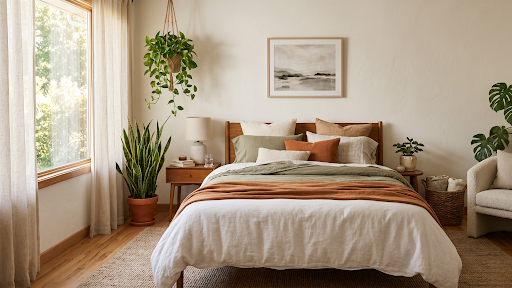

Better sleep often starts with small, simple changes, and for us, adding plants to the bedroom has been one of the most soothing. We were already surrounded by houseplants during the day, so it felt natural to bring a few into the space where we unwind at night. Over time, those plants turned a plain room into a soft, green backdrop that helps our minds slow down and our bodies relax.
At Houseplant Resource Center, we spend a lot of time thinking about what makes plants easier to care for and more enjoyable to live with. Bedroom plants are a sweet spot, especially if we focus on easy houseplants for beginners. In this article, we will share how plants support relaxation, which sleep-friendly varieties we love, how we choose the right ones for a bedroom, and simple routines that keep everything thriving without turning bedtime into a chore.

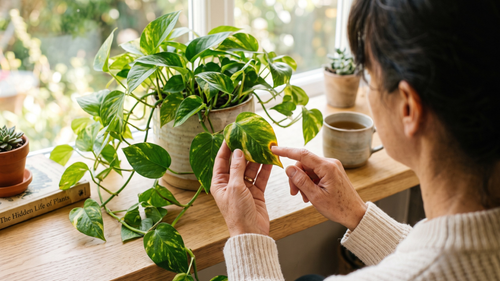
We notice it the moment we step into a plant-filled room: shoulders drop, breathing deepens, and the space feels softer. Greenery has a quiet way of signaling safety and calm, which is exactly what our brains need before sleep. Even a single plant on the nightstand can make a stark room feel more like a relaxing retreat.
Plants also interact with indoor air, taking in carbon dioxide and releasing oxygen during the day. At night, most common houseplants still have a positive presence, helping our rooms feel fresher when we pair them with good habits like regular cleaning and ventilation. We do not think of bedroom plants as a medical solution, but they are a comforting part of a healthy sleep environment.
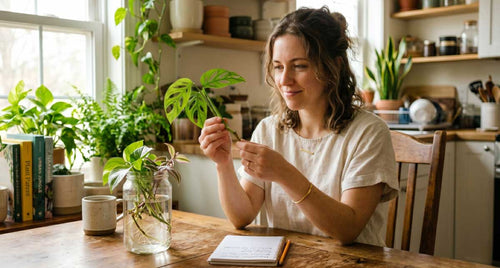
One of our favorite tips is turning plant care into a gentle winding-down ritual. Simple actions like:
These small routines tell our brains that the day is ending and it is time to rest.

When we talk about plants for better sleep, we lean hard on easy houseplants for beginners. We want forgiving plants that do not mind a missed watering and tolerate typical bedroom light.
Here are a few we love in our own spaces:
When we help new plant parents, we usually suggest starting with snake plant, pothos, or a ZZ plant because they are truly low-pressure and fit the “easy houseplants for beginners” category.
Before bringing new plants into the bedroom, we like to pause and look around the room with fresh eyes. We ask ourselves:
If we share our space with kids or pets, we also keep safety in mind by placing plants where curious hands or paws cannot easily reach. High shelves, sturdy wall planters, or dressers can be better choices than low stands.
We also think about allergens and clutter. We avoid cramming plants onto every surface so the room still feels open and easy to clean. Mixing plant sizes and textures helps:
That variety keeps the room peaceful instead of crowded.

The secret to keeping bedroom plants from becoming stressful is building a tiny, realistic routine. For many of us, that looks like:
Weekly:
Monthly or so:
We see a lot of issues come down to overwatering and poor drainage, especially for beginners. Using a good indoor potting mix, pots with drainage holes, and simple tools like moisture meters can prevent soggy roots and fungus gnats. When we keep our routines short and consistent, plant care blends smoothly into life instead of feeling like one more chore.
As night approaches, we like to let the whole room know it is time to slow down. Our plant-focused routine might look like this:
We pay attention to scent and texture too. Brushing a hand lightly over a lavender plant, feeling the smooth leaves of a pothos, or noticing the upright shape of a snake plant brings our focus out of our thoughts and into the room.
Over time, many of us notice that we fall asleep a little easier in a space that feels cared for and alive. Tracking our sleep and mood, even informally, helps us see that the effort we put into creating a bedroom plant sanctuary really does make a difference.
For most people, common houseplants are safe in bedrooms, and they do not use enough oxygen at night to affect our breathing.
No, we can choose low-light-tolerant plants like pothos and snake plant that do well in dimmer spaces.
Many of us feel a calming effect with just one or two plants, and we can add more gradually if we enjoy caring for them.
Snake plant, pothos, ZZ plant, and peace lily are great starter choices because they are forgiving and adaptable indoors.
Plants can make our space feel fresher, but for snoring and allergies we still rely on cleaning, air filters, and medical advice if needed.

Ready to fill your space with greenery without the guesswork? At Houseplant Resource Center, we’ve put together everything you need to choose and care for easy houseplants for beginners so you can enjoy thriving plants from day one. Our guidance helps you skip the trial-and-error and focus on watching your plants grow. Start building your indoor jungle with simple steps that fit your real life.


We are an Amazon Certified Small Business! Small businesses are the backbone of the US economy; they create jobs and drive innovation. We appreciate YOU helping small businesses on Amazon!