Balancing My Houseplant Care Guide with Real-Life Routines
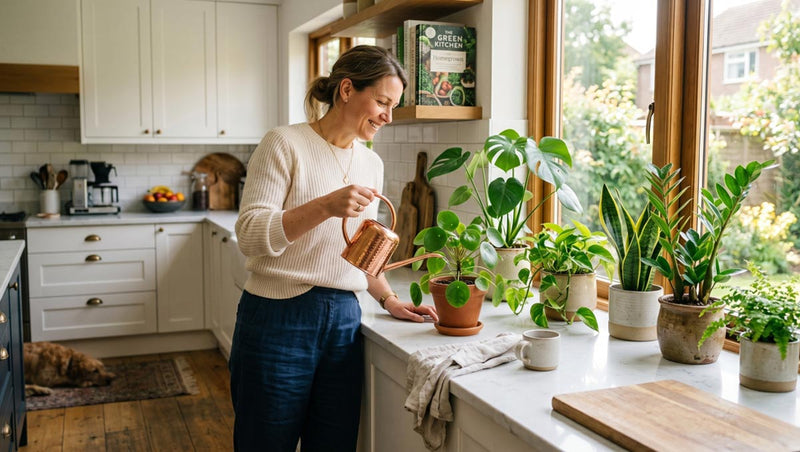


Balancing a houseplant care guide with real life is tricky. I plan careful watering schedules and light checks, then work, kids, and summer plans show up and everything falls apart. Plants get droopy, I feel guilty, and that pretty guide sits unread. I know, because my own routines fell apart the same way.
At Houseplant Resource Center, I had to learn how to make plant care fit real days, not perfect days. In this post, I share how I simplified my houseplant care guide so my plants still grow, even when I am busy, tired, or out of town. I will talk about building a realistic schedule, picking tools and products that save time, and adjusting my routines for long, hot summer days.

My first plant schedule looked great on paper. Every plant had its own watering day, humidity notes, and fertilizer plan. Then busy season hit. Late work nights, family events, and long weekends away made it clear I needed something more flexible.
So I made a new promise to myself: keep the plants alive and growing, without needing a perfect week. That meant:
I stopped trying to be a "perfect plant parent" and aimed for "consistent enough." That small shift made plant care feel lighter and more fun again.

First, I stopped planning plant care in a vacuum. I looked at my real week. For me, workdays in the northern California area can be long, and summer evenings are hot and lazy. So I picked one or two "plant days" that I could actually keep.
For many people, that can look like:
Next, I grouped plants by what they need, not what they are. Instead of "all monsteras here, all pothos there," I made groups like:
This way, I can walk to one zone and do the same quick task for all of them in about 10 to 20 minutes.
Then I wrote a simple, flexible guide. Nothing fancy, just:
I keep this list somewhere I see it often, and I tweak it when my schedule or home changes.
On my busiest days, I follow a "bare minimum" routine. It keeps plants alive and stops me from feeling like I failed. My quick check looks like this:
If I only have five minutes, I do that and stop. That is enough for a rough week.
I also keep a basic plant kit ready to go:
Having everything in one spot keeps me from wasting time hunting around.
To save even more brain space, I like small automations:
The goal is to think less, not more, about every plant.

Summer changes everything. Stronger light, faster evaporation, and AC drying the air can stress plants. Early in the season, I adjust my houseplant care guide. I watch for:
I often move sensitive plants a bit back from harsh windows, especially during long, bright afternoons.
Before travel, I focus on watering smarter, not just more. A day or two before I leave, I:
If a friend or neighbor can help, I write a simple "plant sitter" guide. Just one page with:
Simple instructions keep everyone calmer, including me.

Over time, I learned that the right products let me do less, not more. For example, switching to targeted soils for plants like fiddle leaf figs and monsteras means the roots drain well but still hold enough moisture. That helps me water less often and worry less about root rot.
I also match fertilizers to my real routine. If I am in a season where I forget things easily, slow-release options that feed over time fit better. When I am more hands-on, I like easy-mix liquid fertilizers I can add during my regular watering day.
To prevent problems before they blow up, I lean on a few simple tools:
These small habits keep my plants healthier, which saves me stress later.
My life changes, so my houseplant care guide has to change too. When my job, health, or family schedule shifts, I give myself permission to rewrite the plan. That might mean fewer plants in one room, moving high-maintenance plants to easier spots, or even gifting a plant that no longer fits my life.
I also set small, seasonal goals. For summer, I might focus on:
I do not try to master every part of plant care at once. And I pay attention to the little wins: new leaves on a fiddle leaf fig, fewer crispy tips on a pothos, stronger roots when I repot. Those moments remind me that a realistic, flexible routine really works.
I revisit my guide at least once each season or any time my schedule or home setup changes a lot.
I check the soil, water deeply if it is dry, trim damaged leaves, then adjust my reminders so it is less likely to happen again.
I water thoroughly, move plants out of harsh direct sun, use self-watering options when possible, and leave a simple note for a helper if I have one.
In my experience, using soil and balanced fertilizer matched to plant types helps prevent common problems and saves me time.
I aim for one focused 20- to 40-minute session each week, plus a few quick 5-minute check-ins on busy days.

If you are ready to give your plants the consistent care they need, our detailed houseplant care guide is the perfect place to start. At Houseplant Resource Center, we break down watering, light, soil, and troubleshooting so you can skip the guesswork and focus on helping your plants thrive. Explore practical tips you can use today and keep it handy as a reference whenever questions pop up. Let us help you grow more confident with every new leaf.


We are an Amazon Certified Small Business! Small businesses are the backbone of the US economy; they create jobs and drive innovation. We appreciate YOU helping small businesses on Amazon!