4 Tips for Choosing a Bonsai Planter
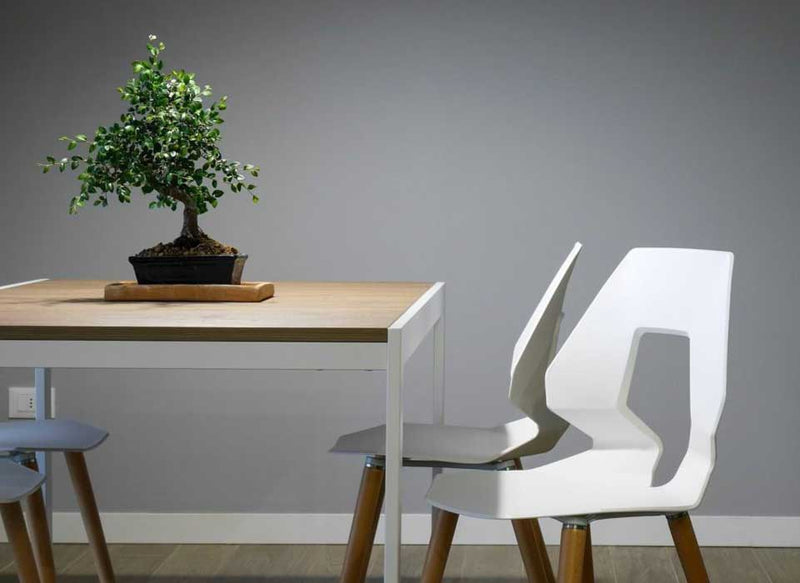


From creating the perfect conditions for growth to enhancing the “bonsai effect,” your bonsai tree planter plays a major role in supporting your tree. This beginner-friendly guide breaks down how to choose the perfect pot for your bonsai.
As you learn more about bonsai, you’ll probably encounter the term repotting quite frequently. It’s important to understand this doesn’t always mean transferring your bonsai into a new container. In fact, a well-established bonsai can stay in the same pot indefinitely. Usually this term refers to the process of removing the tree from its container to trim and maintain its roots.
There are several reasons to transfer your tree to a new container. First, you may just want a prettier pot! You also may be ready to move your established tree from a training pot to a display pot.
Lastly, your growing tree may need more space. If you remove the tree and its roots are tightly bound around itself, it might be time for an upgrade. A slightly larger bonsai tree pot gives your little friend some wiggle room!
The planter is an essential element of the art of bonsai. It plays both a functional and visual role in achieving your goals for your tree.
Your bonsai will likely get its start in a bonsai training pot. Generally, these pots are more utilitarian by design. Their purpose is to support a young bonsai tree as it establishes a strong root system.
Once your tree is more established, you may want to transfer it to a more decorative bonsai display pot. This is the point where the visual element of harmony comes into play.
Bonsai is the practice of creating harmony through intentional care. Your tree needs enough soil, water, and nutrients to grow healthy—but not so much that it grows big. The best bonsai tree pot maintains a balance that’s just right.
The next element of harmony is less utilitarian: your pot should complement your tree visually. This guide will help you choose a pot that does both.
Choosing the right bonsai tree pot is important, but it doesn’t have to be intimidating. There are four key elements you’ll want to keep in mind.
The size and depth of your pot has a major impact on how your tree grows. It also plays a role in the “bonsai effect.” Here’s what you need to know:
When choosing a pot, bonsai takes into account the masculine/feminine balance of your tree. Sound strange? Here’s what you’re looking for:
A bonsai tree pot with a similar balance of these traits will enhance your tree most. “Feminine” pots may have curved features, a delicate shape, or perhaps an inward sloping lip. “Masculine” pots will be harsher and more angular, often with lips jutting outward.
Your bonsai planter color should also enhance harmony. You may pick a subdued tone (like gray or tan) to balance a vibrant evergreen bonsai. Or a red pot, for instance, may complement a tree that blooms with white flowers, sprouts green leaves in the summer, and yellows before dropping its foliage.
Be sure to keep in mind how your tree’s appearance will change throughout the seasons. This color wheel primer can help you pick the perfect complement.
“Any old container” just won’t do. Your bonsai planter needs holes drilled in it for proper drainage. You’ll also want to choose a pot with smaller holes to affix wires if you will be encouraging your tree to contort in a particular direction. This applies especially to training pots.
Different materials have different visual impacts. Luckily, when it comes to bonsai tree pots, the world is your oyster! Other than metal, which can leach chemicals into soil, bonsai can be planted in nearly any type of container. Common materials include ceramic, clay, plastic, and stone.
As always, your bonsai planter material should achieve a harmonious visual effect. Keep the color and masculine/feminine balance in mind when making your selection.
So you’re ready to transplant your bonsai—but where to begin? Bonsai tree nurseries and online shops are a great place to start the hunt. (If you go in person, be sure to bring a photo and measurements of your tree so the attendant can offer advice.) You can also join bonsai marketplace groups on social media for excellent exchange and expert community input.
You can absolutely make your own bonsai planter! In fact, this can help you develop an even closer relationship with the meditative element of bonsai. Online forums are an excellent place to discuss strategies with other bonsai enthusiasts. Just be sure to keep the guidelines listed above in mind when designing and creating your masterpiece!
The Bonsai Resource Center is here to provide you with the tools you need to keep your tree healthy and strong. Explore our other articles, visit our online shop, and connect with other bonsai lovers in our Facebook group to learn everything you need to know about this rewarding hobby!


We are an Amazon Certified Small Business! Small businesses are the backbone of the US economy; they create jobs and drive innovation. We appreciate YOU helping small businesses on Amazon!