Easy Care Tips for Indoor Nepenthes Plants
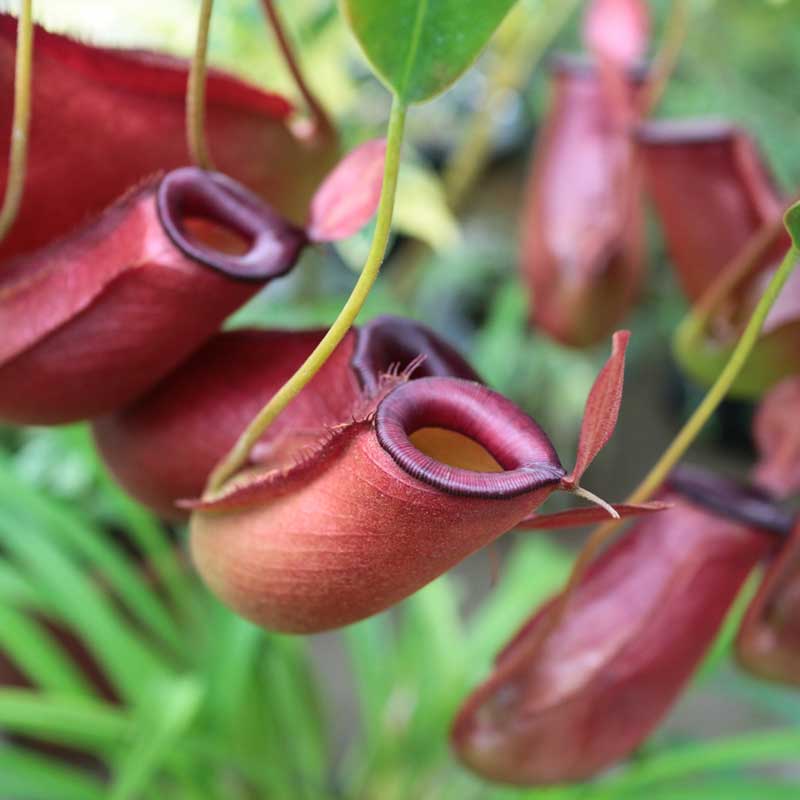

If we have ever thought about adding a Nepenthes to our plant shelf, we are in for a beautiful surprise. These tropical pitcher plants are like living sculptures with deep green leaves and curved pitchers that do all the bug-catching. They are carnivorous, but surprisingly friendly when it comes to indoor care, as long as we meet a few key needs.
Growing Nepenthes indoors does not have to be complicated. Once we know what they actually want, it gets much easier to keep them thriving. In this houseplant care guide, the focus is on how to care for them as light and humidity start to shift indoors in fall. It is the little things, choosing the right spot, providing the right kind of food, and dialing in the watering routine that help these striking plants stay healthy during the cooler seasons.
Lighting is one of the most important things to get right with Nepenthes. These plants love bright, indirect light. They do best where they can soak up strong morning sun but avoid harsh afternoon rays. If the leaves start to turn light green or the pitchers stop forming, that is usually a hint they are not getting enough light. Using a full-spectrum grow light during shorter fall days can be very helpful.

Because Nepenthes are tropical, they need a good amount of humidity to stay happy. We have had success setting them near humidifiers or placing them in a terrarium. Sometimes, a shallow tray filled with pebbles and water under the pot can boost moisture without soaking the roots. Just make sure the base of the pot is not touching the water directly; this helps prevent root rot.
Avoid drafty windows or spots near heating vents. Dry air and temperature shifts can really stress them out, making stable, warm conditions extra important in cooler months.
Watering can feel tricky at first, but once we get into a rhythm, it becomes pretty straightforward. Nepenthes like their soil to stay consistently damp but never waterlogged. We use distilled or rainwater only, since tap water is often too harsh and can damage the plant over time.
As days get shorter and cooler, we discover that Nepenthes require less frequent watering. The key is to feel the soil or use a moisture meter. When the top inch of the soil starts to dry out, it is usually time to water again. Overwatering can suffocate the roots and cause rot, while under-watering can dry out the pitchers and lead to shriveled tips.
We water from the top instead of soaking from below. This keeps the pitcher cups from sitting in moisture too long. Light misting helps in dry homes, but it is not a substitute for actual watering.

Many people think that Nepenthes must only live on insects because they are carnivorous. That is not the whole story, especially indoors where bugs may be scarce. Most Nepenthes benefit from a bit of supplemental nutrition, particularly in fall and winter when their natural food sources decrease.
We apply an ultra-dilute foliar spray with amino acids and micronutrients a couple of times a month. According to the Houseplant Resource Center, this method supports healthy growth for Nepenthes year-round. The trick is to mist the leaves (never the soil or pitcher cups) and only when the plant is actively growing. Never use regular houseplant fertilizer, as it can burn the pitchers.
Start slow and observe the plant's response. If you see new pitchers forming with vibrant color, you are on the right track. If not, pause and reassess before feeding again.
Regular potting soil will not work for Nepenthes. It is too dense and keeps too much moisture around the roots, which can lead to fungal issues or root rot. The recommended soil mix from Houseplant Resource Center contains sphagnum moss, orchid bark, and perlite for a loose, well-aerated blend.
Do not add fertilizer to the soil, since this can upset the balance Nepenthes need. Only repot when the plant truly outgrows its current space or when the existing mix breaks down. Avoid unnecessary root disturbance during seasonal adjustments.

When fall arrives, you may notice your Nepenthes slows its growth or temporarily stops producing new pitchers. This is normal as the plant adapts to less light and cooler temperatures.
Use this time to review your lighting. If your plant's window becomes less sunny, supplement with a grow light to maintain steady growth. Regularly check indoor humidity, especially as heating systems dry out the air. Houseplant Resource Center recommends placing a hygrometer nearby to help monitor humidity levels and respond before stress affects your plant.
Hold off on major repotting or pruning until spring, unless a pitcher or stem is obviously dying. Allowing your Nepenthes to rest through winter supports healthier growth in spring.
Nepenthes might appear exotic, but they thrive on consistency and the basics: clean water, balanced humidity, gentle lighting, and the right soil. Houseplant Resource Center's blog highlights that reliable, regular routines are far more effective than dramatic changes or excess products.

Whether it is fall or mid-winter, these tropical pitcher plants can do well in our homes when we focus on their daily needs. Watching the pitchers fill out, vines stretch, and leaves glow in the right spot brings so much satisfaction to plant lovers.
Elevate your Nepenthes care routine by integrating the best practices shared in our article. For even more tailored tips, dive into our comprehensive houseplant care guide offered by Houseplant Resource Center. Uncover secrets to thriving indoor plants and enjoy the satisfaction of lush, thriving greenery at home. Let us support your journey to becoming a confident plant parent, enhancing both your space and your gardening expertise.


We are an Amazon Certified Small Business! Small businesses are the backbone of the US economy; they create jobs and drive innovation. We appreciate YOU helping small businesses on Amazon!