Venus Flytrap Light, Soil, and Feeding Tips
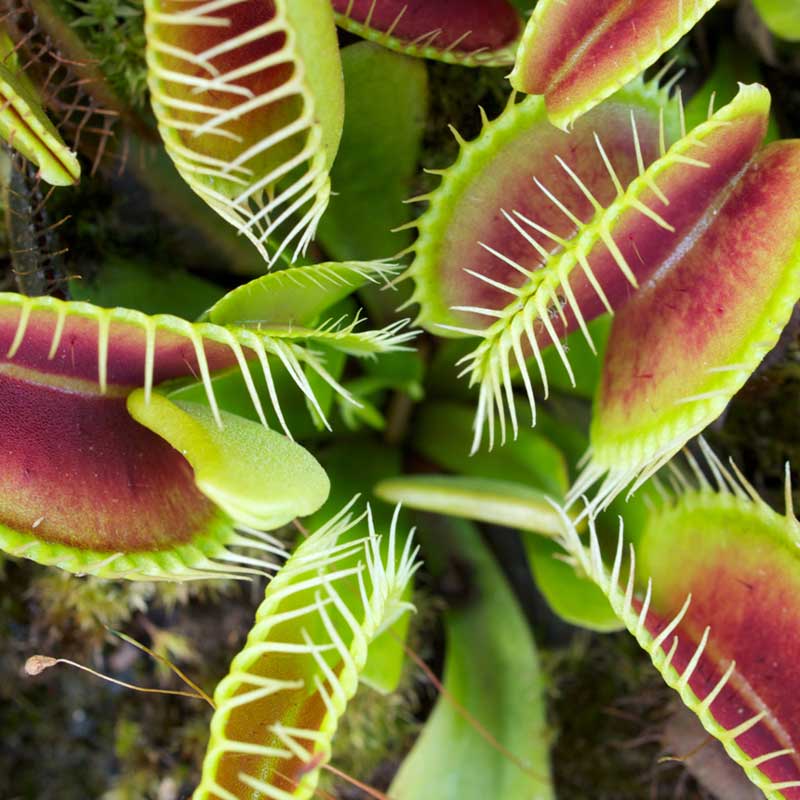

Growing a Venus flytrap used to sound a little intimidating to us too. But once we really understood what it needed, we realized it's not hard at all to keep it healthy indoors, even in fall and winter.
This plant acts a little differently from the leafy favorites we're used to. It doesn't thrive in rich soil or need constant watering. Instead, it likes things most houseplants don't: nutrient-poor soil, distilled water, and yes, the chance to catch its own meals.
When bugs are scarce, gentle feeding or foliar nutrition can help. In this houseplant care guide, we're walking through exactly how we keep our Venus flytraps healthy all season long, from lighting and soil to dormancy support and feeding tips.

Venus flytraps are carnivorous plants, which already makes them pretty unique. But caring for one indoors means giving it some very specific conditions. Unlike tropical plants that do well in average potting mix and tap water, flytraps need a more intentional approach.
We've seen new plant parents struggle when they treat Venus flytraps like just another green houseplant. Common issues include:
These plants do not tolerate shortcuts well. They evolved in nutrient-poor wetlands and adapted to get their nutrients from insects. That's where their quirky traps come in. But indoors, especially in colder seasons, it's likely we'll need to help them along with safe, minimal feeding support. Keeping that in mind from the start makes success easier.

The right setup is everything for Venus flytraps. Bright, direct light is non-negotiable. We aim for at least 4 to 6 hours of full sun, and even more if possible. In the darker months, we switch to grow lights. A full-spectrum LED can make a big difference when natural daylight gets short.
As for water, we never use tap. The minerals and chemicals are too harsh for their roots. We stick to distilled or rainwater, keeping the soil damp but never letting it sit soaked. A shallow tray method works well, just make sure it dries out a little between fillings.
Soil is another deal breaker. Venus flytraps need a nutrient-poor mix. We use a blend of sphagnum peat moss and perlite or silica sand. No compost, no fertilizers mixed in, nothing that holds nutrients. This helps the roots stay healthy and keeps fungal issues away.
When our flytrap lives indoors all year, chances are it will not catch as many bugs as it would outside. That's when a little nutritional support helps. But not just anything will do.
We've had success with ultra-dilute foliar nutrition, using formulas made with amino acids or basic micronutrients. Think of it more like a vitamin spray than a full meal. We mist lightly once a month if traps aren't catching anything on their own.
Here's what we stay away from:
Traps will still work without bugs, but adding smart, plant-safe nutrition gives them a helpful boost, especially when their natural hunting slows down in fall or winter.
Too much fertilizer can burn Venus flytrap roots, and a very light touch is important. The Houseplant Resource Center website recommends only the mildest foliar feeds. Or you can rely on insects as the primary source of nutrients whenever possible.

One of the most important things to know about Venus flytraps is that they need dormancy like we need sleep. Skipping this rest phase weakens the plant over time and makes it more likely to die back early.
In late fall, we watch for signs: fewer new traps, slowed growth, and outer leaves dying off. This is all normal. We do not panic, we just start dialing things down. The plant needs a cooler, dimmer spot that stays between 35 and 50 degrees Fahrenheit. That might be a garage window or even a section of the fridge (only if done properly and safely).
During dormancy, we cut watering in half, trim back blackened leaves, and leave the plant alone. It will not look glamorous, and that's okay. By March, it should begin to wake up on its own, and that's when we return it to a sunnier spot with a bit more water.
There are a few habits we had to break early on to keep our flytraps thriving. These are the big ones:
Those products work well for our other houseplants, but they're much too strong for a flytrap. We save those for pothos and philodendrons, which need rich soil and extra nutrients. Carnivorous plants need a very different kind of care.
We trim off dead or dying leaves regularly to keep the plant looking tidy and to limit mold. We also repot every 1 to 2 years in early spring before new growth starts. Propagation from seed is possible, but it takes patience and very specific care, something we usually leave to experienced hobbyists.

Once we got the basics right, keeping a Venus flytrap indoors turned out to be easier than expected. With steady sunlight, clean water, safe soil, and the right kind of nutrition, this unusual plant has become one of our favorites.
We have come to enjoy its yearly rhythm, watching it catch bugs in the warmer months, then rest quietly through winter, only to bounce back again. It's a reminder that not all houseplants act the same, but with a little knowledge and seasonal support, they can thrive just as well inside our homes.
At Houseplant Resource Center, we are passionate about supporting your green journey with practical wisdom and expert advice, ensuring your flytrap thrives throughout the year. Join our community of enthusiasts and master the art of nurturing these fascinating plants indoors.


We are an Amazon Certified Small Business! Small businesses are the backbone of the US economy; they create jobs and drive innovation. We appreciate YOU helping small businesses on Amazon!