Pitcher Plant Care Tips for Light, Water, and Feeding
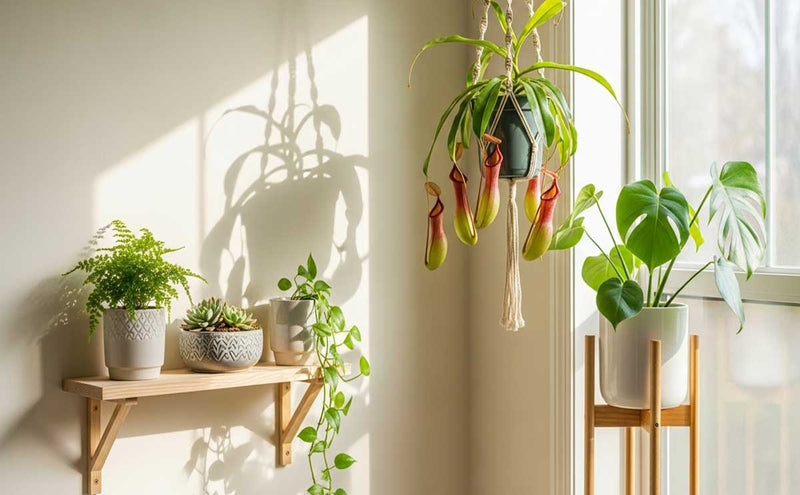

Pitcher plants like Sarracenia and Nepenthes are some of the most impressive houseplants we have ever brought into our space. With their eye-catching, pitcher-shaped leaves and built-in insect traps, they feel almost otherworldly. These carnivorous beauties need a little extra effort on our part, especially when grown indoors.
Around late fall, fewer bugs are active, so when we bring pitcher plants inside, we often step in to support their nutrition. The good news is that once we understand their plant type and seasonal care rhythm, they really are not hard to keep happy.
We have figured out how to adjust for light, moisture, feeding, and potting, so we want to walk you through what works and what does not in our houseplant care guide. If your Nepenthes has not formed pitchers in months or your Sarracenia is going crispy around the edges, we will help you bring them back.

Not all pitcher plants want the same conditions. Knowing which kind you have makes things so much easier.
Sarracenia are North American species that usually want cooler temperatures and lots of sunlight. They do well on bright windowsills, especially through the fall and winter when they are still active before dormancy begins. These plants love direct light but not hot, dry air.
Nepenthes, in contrast, are tropical. They crave warmth and steady humidity. Ours do best in spots like bright bathrooms or by a humidifier with consistent light. If the air gets dry, they will stop making pitchers quickly.
There are hybrids and other types too, but once we determine whether it is tropical or temperate, the rest of the care usually falls into place.

Getting this trio right makes a huge difference, especially when pitcher plants come indoors in November.
We try to give them five to eight hours of bright, indirect light every day. Sarracenia will even handle direct morning sun, which can help keep them strong before dormancy sets in. Nepenthes prefer softer light with no harsh midday sun.
When it comes to water, we only use distilled or rainwater. Tap water can build up salts that harm their roots. The soil should stay damp but never sit in standing water. For Nepenthes, we keep the humidity high with either a pebble tray or a small humidifier nearby.
If we forget to keep conditions steady, our Nepenthes stop forming new pitchers. That is usually the first sign something is off balance.

Pitcher plants do not like regular potting soil. That mix is too rich and compact for their roots. We use a blend that is mostly sphagnum moss or peat, mixed with some perlite for drainage.
We never add compost, fertilizer spikes, or anything that holds extra nutrients. These plants are used to poor, fast-draining soil. When we tried typical houseplant soil once, it scorched the roots and caused the pitchers to shrivel.
Repotting is best done in early spring, about every one to two years. We do it just as the plants come out of dormancy or ramp up with new growth. During dormancy, we always leave them alone. No repotting. No feedings.
A helpful tip from Houseplant Resource Center is to always use clean pots with fresh mix whenever you repot, to prevent pests and root problems from starting.
Indoor pitcher plants do not always catch enough insects, especially during the colder months. So we use a little fertilizer. We are very careful about how we apply it.
We use an ultra-dilute, low-nitrogen foliar spray made specifically for carnivorous plants. It contains amino acids and micronutrients instead of the heavy stuff, and we mist it once a month at most.
We have had success dropping very small bugs into the pitchers occasionally. Things like bloodworms or fruit flies, only once or twice a month. Overfeeding can cause blackened pitchers and root stress, which we want to avoid.
With Sarracenia, we stop feeding by mid-to-late fall. That is when dormancy begins, and they need a full rest period with no added nutrients.

We start to notice seasonal changes in our pitcher plants before winter. Sarracenia pitchers begin to brown in November, and the plant slowly goes dormant. That is completely normal.
We cut back the dried pitchers once they die off naturally and move the pot to a cooler space, keeping the light strong but reducing watering. During this time, we do not feed or repot.
Nepenthes behave a little differently. They do not fully go dormant, but their growth usually slows when light and humidity drop. We keep their setup stable through winter, without overwatering or stressing them. If the air dries out too much, we see fewer pitchers or new leaves that fade before opening.
With a bit of patience and attention to routine, pitcher plants can become stunning and reliable focal points in your indoor garden. Following proven methods (such as those shared in the Houseplant Resource Center's care guides) goes a long way in keeping these carnivorous plants healthy year-round.
At Houseplant Resource Center, we believe that every plant lover can master the art of cultivating vibrant indoor gardens. Join our community of enthusiasts and transform your home into a sanctuary for all your unique houseplants. Together, let's make your green oasis flourish!


We are an Amazon Certified Small Business! Small businesses are the backbone of the US economy; they create jobs and drive innovation. We appreciate YOU helping small businesses on Amazon!