Seasonal Plant Care for Thriving Indoor Greenery


I used to wing it when it came to plant care. I’d water when I remembered, repot when things looked dramatic, and prune whenever I happened to notice a dead leaf or two. Some seasons my indoor plants flourished, and other times they would droop, yellow, or just stop growing for what felt like months. I didn’t realize how much the seasons were affecting my plants and my old habits weren’t cutting it.
That all changed when I started following a simple seasonal care routine. Nothing fancy. Just small adjustments every few months that helped my plants keep up with changing light, temperature, and moisture. Since then, my plants grow stronger in spring, handle summer stress better, ease through colder months with less drama, and bounce back fast when it’s time to grow again. Below, I’m sharing the same seasonal care steps I follow to help keep indoor plants happy all year long.
As soon as the weather starts to warm up and the days feel a little longer, I know it’s time to check in with every plant big or small. Spring is when houseplants naturally want to grow, so it’s the best time of year to support that growth with a little extra care.

One of the first things I look for in early spring is whether it’s time to repot. I gently slide the plant out of its pot and look at the roots. If they’re crowded or circling the bottom, that’s a sign it needs more space. Before repotting, I pick a container that’s just a couple of inches wider and add fresh soil so my plant doesn’t get compacted or soggy later on.
Spring is also when I restart my watering and feeding routine.
Here’s how I adjust things:
I think of this season like a slow warm-up. My plants ease back into growing, and I start small with changes so I don’t overwhelm them or myself.
Summer care feels different. It seems like everything speeds up and not always in a fun way. Growth can be fast, but so can problems like scorched leaves, wilting, or pests. I’ve had to learn to be more watchful once the heat kicks in.
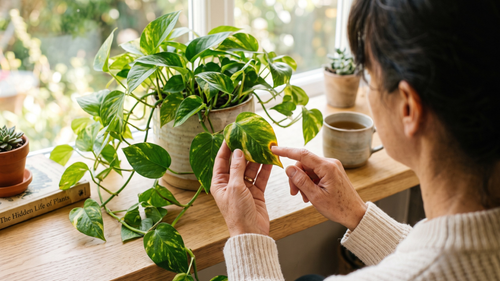
Watering is one of the biggest shifts I make in summer. Some of my plants will dry out in just a few days, especially the ones in bright windows or terra cotta pots. But watering too much can still be a problem, so I always stick to checking the top inch of soil before I water. It takes a little more attention, but I’d rather check with my finger, or moisture meter, than deal with root rot later.

Harsh sun is another issue that pops up in summer. If I see any crispy brown edges or faded spots on leaves, I take that as a warning sign. Some of my plants need to move away from the window or get sheer curtains for shade. Ones near south-facing windows always seem to be the first I have to adjust.
Humidity can drop too, especially in homes with strong AC. I help keep moisture up by:
Last, summer tends to bring out pests like fungus gnats and spider mites. I’ve made it a habit to check under leaves, along stems, and even in the soil every week or so. If I see anything moving or sticky, I clean it up right away and isolate the plant if needed.
Summer can seem like a lot, but once I got into the rhythm of watering more often, checking light, and staying ahead of pests, it became way easier to enjoy the season and worry less. My plants started looking fuller, fresher, and more alive. That’s what makes the extra care worth it.
Fall is when I start to notice my plants slowing down. New leaves take longer to appear, and the growth that once felt nonstop starts to ease up. Once the days get shorter and cooler, my main goal is to help each plant transition into rest mode without stress.
I usually begin by cutting back on watering. Since light levels drop, plants don't drink as much, and too much water can lead to soggy soil and unhappy roots. I still check the soil with my finger, but water less often and more gently. Some of my plants go from once a week to every 10 days or longer, depending on their size and setup.

Fertilizing used to be something I stopped completely once fall set in—but now I take a more flexible approach. If your home has consistent light and temperature, your plants may keep growing year-round. In those cases, I continue to feed them regularly using our Indoor Plant Food, which is gentle and safe to use every time you water. For plants that slow down, I simply cut back on how often I feed, but I don’t eliminate it entirely. A little ongoing nutrition can help support root health and steady growth, even during the quieter seasons.
There are also a few cleanup chores I always do in the fall:
If sunlight fades too much near a certain window, I consider rotating it with a plant that handles lower light better. I’ve also started using mirrors and white walls to bounce daylight where I need it without buying a grow light.
Fall feels like a good time to reset. I'm not rushing to repot or feed or prune heavily. Just a few gentle changes help the plants settle into cooler season calm, and it gives me space to move into the slower pace too.
Winter is usually when I worry the most about my houseplants. Between dry indoor air, drafty windows, and shorter days, it’s easy for things to go off track. But after a few years of practice, I’ve found some ways to keep everything stable through the cold months.
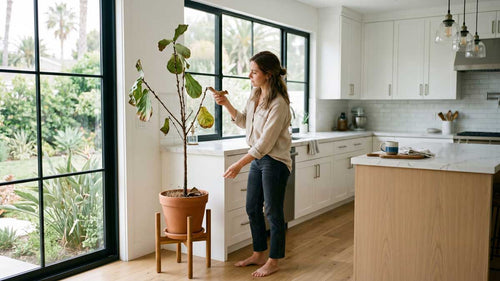
Light is the biggest issue. My south-facing windows save me, especially for my light-loving plants like my fiddle leaf fig and rubber tree. I move other plants to brighter spots where they can still get enough daylight without accidental overexposure from a heat vent or cold air leak.
One mistake I made early on was not adapting my watering schedule. During winter, plants grow slower and need less water, so I check the soil even less frequently. Some plants, like snake plants or ZZ plants, go two to three weeks without a drop. If I feel damp soil or see signs like soft stems, I wait longer.

Humidity is another thing I have to pay attention to. With indoor heat running all day, the air gets dry fast. Here's what’s worked best for me:
Lastly, I avoid placing plants near exterior doors, especially in rooms with heavy drafts. The sudden temperature changes, even from opening the door for a minute, can shock leaves and stunt growth. I’ve started using furniture or plant stands to shift plants away from frozen windows.
Winter is calmer when I let my plants rest and focus on making their environment more stable. Less watering, steady humidity, and a watchful eye on light are usually enough to keep them healthy until spring rolls back around.
Taking care of plants season by season makes a big difference in how they turn out. I’ve had fewer surprises, lost fewer leaves, and even gotten more new growth just by paying closer attention to timing and routine. It's not about being perfect. It's about giving your plants what they need, when they need it.
What I really like about having this seasonal approach is that it takes the edge off guessing. I know when to prune, when to expect slow growth, and when to be more hands-on. There’s something calming about being tuned into those slow, natural changes throughout the year.

Watching my indoor plants thrive has given me a much deeper appreciation for the small wins. A fresh leaf in winter, spring roots pushing into new soil, or summer blooms that open in just the right light. These shifts keep me connected and grounded, even during the busiest seasons of life. Every adjustment I make gives back in green, healthy growth and it’s always worth it.
If you're looking to grow thriving houseplants without the mess of soil, learning the basics of hydroponics is a great way to get started. We talk about everything from choosing grow lights to keeping nutrient levels just right. To connect with others on the same path, check out our guide to indoor plants and be part of the Houseplant Resource Center community where we learn and grow together.


We are an Amazon Certified Small Business! Small businesses are the backbone of the US economy; they create jobs and drive innovation. We appreciate YOU helping small businesses on Amazon!