Mistakes I Make Following Generic Houseplant Care Guides


I start houseplant care with good intentions, then feel confused when a “beginner-friendly” plant starts dropping leaves anyway. A generic houseplant care guide can give me basic steps, but if I follow it word for word, I often miss what my actual plants are trying to tell me. That mismatch is where a lot of problems begin.
At Houseplant Resource Center, my team and I care about simple, science-backed care that actually works in real homes. Here is how we learned to spot the hidden flaws in generic advice, what mistakes we made along the way, and how we changed our approach so our plants could finally thrive.

When my team and I first got into houseplants, we read every popular houseplant care guide we could find. We followed all the “rules,” lined up our watering days, and trusted that our plants would just cooperate. Instead, we watched leaves yellow, soil stay soggy, and new growth stall.
There was one so-called “beginner-proof” plant that almost did not make it. The tag said it was easy. The guide said “water once a week, low light is fine, any potting mix works.” We did exactly that. Within a few weeks, the leaves drooped, the soil smelled funky, and the roots started to rot. We were doing what the guide said, but the plant clearly disagreed.
That was our wake-up call. We started asking what was missing from those simple rules. The answer was clear: generic tips did not fit our light, our pots, our soil, or our seasons. Once we shifted from rigid rules to curious observation, everything changed.
“Water once a week” sounded easy, so we stuck to it. We watered every plant on the same day, no matter what. We did not think about shorter winter days, smaller pots drying faster, or heavier soil holding water longer. Some plants sat in wet soil for way too long. Others dried out completely between waterings.
Now we treat watering as a conversation with the plant, not a date on the calendar. Instead of asking, “Is it watering day yet?” we ask, “Does this plant actually need water right now?”
We rely on a few simple checks:
When we switched from a rigid weekly schedule to responsive watering, we stopped drowning roots in winter and starving plants in early spring. Our plants told us what they needed. We just had to start listening.

Those little plant tags with “bright indirect light” or “low light” sounded helpful, but they did not explain what that meant in our specific homes. We used to stick plants anywhere that felt “bright enough” to us. A “low light” plant sat in a dark corner. A “bright indirect” plant baked in a south window with no sheer curtain. The plants were not happy.
We learned to read our actual light instead of trusting vague labels. That meant studying where the sun moved, how strong the light was, and how long it lasted in each spot.
We now ask:
We also test spots before committing. We might place a plant in a few locations over a couple of weeks and watch how it responds. Sometimes we use simple grow lights during darker months, especially in rooms that never get strong natural light. That small shift, from trusting tags to reading our space, made a huge difference.
Most generic guides told us to “use well-draining potting soil” and “pick a pot with drainage.” That sounded clear, but we learned that not all well-draining mixes actually drain well for every plant. Many plants ended up in heavy, compacted soil in plastic nursery pots, and we blamed ourselves for watering wrong when the real issue was the root environment.
Now we think about how the roots like to live. For plants that want air around the roots, we reach for chunkier ingredients. For plants that prefer moisture, we keep more fine material in the mix.
We customize simple mixes by:
We also choose pots more carefully. We look for drainage holes every time. We think about pot material, like clay that lets moisture escape or plastic that holds moisture longer. That small change solved “mystery problems” we once blamed on light or fertilizer.

Generic guides often told us to “feed once a month during the growing season.” We followed that rule like a checklist, even when plants were stressed, newly repotted, or barely growing. Some plants reacted with burnt tips or no improvement at all. Others put out weak, floppy growth.
Over time, we learned to match feeding to what we actually saw. We now pay attention to:
We switched to gentler, more specialized fertilizers that are easier on roots and designed for indoor plants. Feeding less but more thoughtfully helped our plants shift into spring growth without shock, instead of getting a big dose of nutrients they were not ready to use.
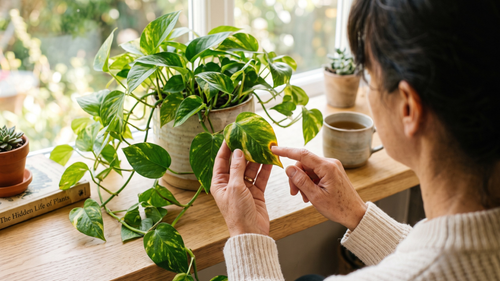
Our biggest mistake was trusting a houseplant care guide more than our own plants. We stared at instructions instead of leaves. We tried to “fix” problems by following more rules, instead of noticing what was actually changing in the pot or on the stem.
Now we treat generic tips as a starting point, not the final say. We watch for:
We also track patterns. We might snap quick photos each week, jot a few notes about watering, or test one change at a time. That simple habit gives us real feedback, so we can adjust in small, calm steps instead of guessing.
As spring growth starts around April and days get longer, we now follow a simple, repeatable system that feels calmer and more grounded than any generic list.
Our steps look like this:
At Houseplant Resource Center, we focus on clear, science-backed guidance and products that support this more personal way of caring for plants. We believe generic houseplant care guides can be a good starting point, but our plants really thrive when we blend those basics with careful observation, small experiments, and gentle adjustments.

I use a guide as a loose framework, then adjust every week based on what I actually see my plants doing.
I treat them as rough estimates and always check the soil and season before I add water.
I have learned that no single guide fits every plant, so I adapt advice based on light, pot, soil, and plant type.
I watch for changes in leaves, growth speed, and soil moisture, then adjust one thing at a time and see how the plant responds.
I can start with basic tools, but I have found that the right specialized soil mixes and gentle fertilizers often solve problems faster and with less stress for my plants.
If you are ready to stop guessing and start growing, our comprehensive houseplant care guide gives you clear, step-by-step support for every stage of your plant’s life. At Houseplant Resource Center, we share practical tips that help you troubleshoot problems quickly and build long-term plant health. Use this guide to create a care routine that fits your schedule and your specific collection. Start today so your plants can thrive instead of just survive.


We are an Amazon Certified Small Business! Small businesses are the backbone of the US economy; they create jobs and drive innovation. We appreciate YOU helping small businesses on Amazon!