How to Care for Your Bonsai Fruit Tree (and Our Three Favorites!)

When Tiny Trees Give You Lemons—Make Lemonade!
A common misconception is that bonsai trees are their own species of tree. In reality, the “bonsai effect” can be achieved with almost any type of tree—including fruiting varieties! This article digs into everything you need to know to select and care for a bonsai fruit tree.
While there are numerous mental and physiological benefits to growing bonsai in general, bonsai fruit trees add a few extra perks to the equation:
So you’re considering a bonsai fruit tree. (Good idea!) Your first step? Pick a species. In general, you’ll have the best luck with a tree that is native to your region. However, as long as the tree is compatible with the weather where you live (or you are able to replicate its ideal conditions), you should be able to grow a healthy bonsai.
This USDA Hardiness Zones map can help you determine whether a particular tree will do well where you live. Use it to determine the “zone” in your region and cross-reference it with the bonsai fruit tree that has caught your eye. The following species are popular and durable species grown in many places around the United States.

The crabapple tree is a deciduous, hardy species and a popular bonsai. This gorgeous, flowering tree is a major shape-shifter. White or pink flowers mark the start of the growing season, joined later by delicate green foliage and clusters of crabapples. Common crabapple bonsai varieties include Calloway, Carmine, and Harvest Gold.

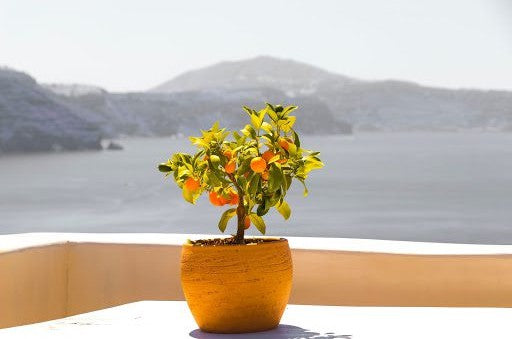
Citrus trees make resilient, quick-growing bonsai. Meyer lemons and mandarin oranges are common varieties. These subtropical varieties retain their leaves year-round and flower annually. Once mature, these bonsai fruit trees produce full-sized citrus fruit you can pluck and enjoy fresh—win!

With gorgeous pink flowers and tight clusters of shiny red fruit, cherry trees are a bonsai enthusiast’s delight. These flexible trees can be trained to grow in a variety of ways, from tall and wispy to dense and stout. The “Bright and Tight” species is a common bonsai fruit tree variety.
With the right care, conditions, and patience, you can grow a bonsai fruit tree from any species! Other bonsai fruit trees to consider include:
As with any bonsai, properly fertilization for your bonsai fruit tree is essential for good health. Check out Bonsai Resource Center’s Ultimate Guide to Bonsai Tree Fertilizer to start off on the right foot!
Once you’ve mastered the basics of bonsai fruit tree care, the sky’s the limit. This guide to advanced bonsai tree care will help you grow a (tasty!) work of art.
Bonsai fruit trees are genetically identical to their life-sized counterparts. That applies to the fruit they produce as well. If you can eat the fruit in nature, you can eat it off a bonsai. Do a quick internet search if you’re uncertain about a particular species, and mouth-water away!
Don’t expect fruit after a few months; just because your tree is small doesn’t mean it will grow faster. Some species can take up to five years to reach maturity. But, as with all things bonsai, the wait is part of the reward.
The Bonsai Resource Center is here to help you learn the best bonsai fruit tree care and provide you with the tools you need to keep your tree healthy and strong. Explore our other articles, visit our online shop, and connect with other bonsai lovers in our Facebook group to learn everything you need to know about this rewarding hobby!


We are an Amazon Certified Small Business! Small businesses are the backbone of the US economy; they create jobs and drive innovation. We appreciate YOU helping small businesses on Amazon!