Questioning Generic Houseplant Care Guides for My Space
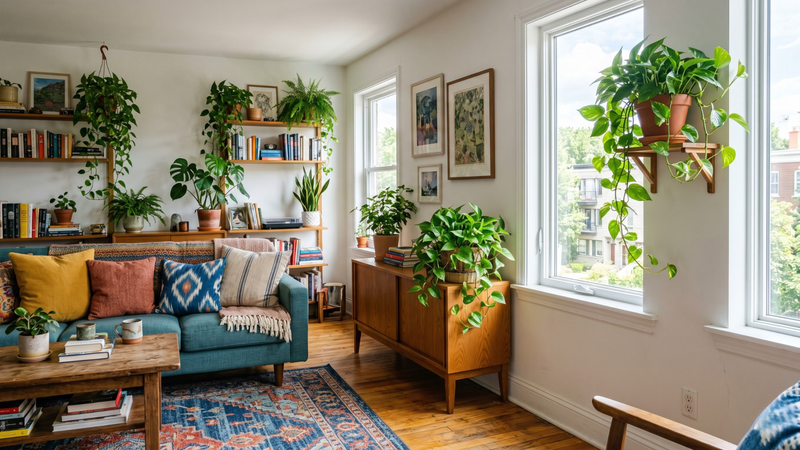

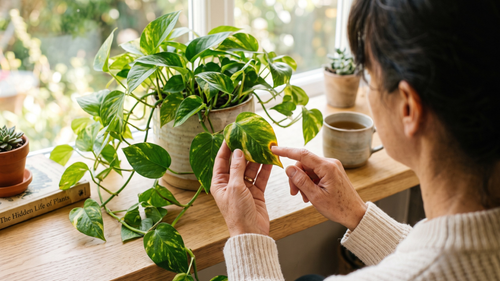
Generic houseplant care guides sound so simple: water once a week, bright indirect light, a little fertilizer, and done. I followed that advice, checked every box, and still watched leaves yellow, curl, and drop. It felt frustrating, because on paper I was doing everything “right.”
The turning point came when I realized those guides were not written for my actual home. My light was different, my humidity was different, and my watering habits did not match that perfect, controlled indoor setup those guides quietly assumed. Once I started questioning one-size-fits-all tips and paying attention to my own space, my plants started to respond, especially as the days got longer in late spring and summer.
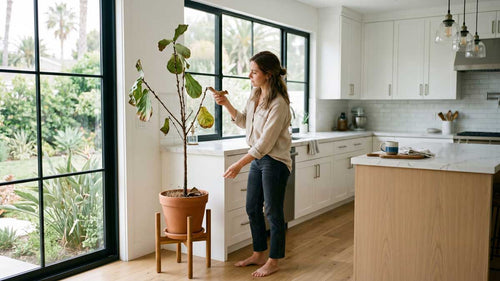
I used to read “bright indirect light” and think it meant any window with a curtain. That was not true for my rooms at all. Now I slow down and actually look at what my light is doing.
Here is what I check instead of vague terms:
I also pay attention to seasons. In late spring and summer, the sun is stronger, and some rooms heat up fast. AC can make the air drier, even while the room feels cool. A plant that loved a south window in cool weather might suddenly get crispy edges in hot, bright afternoons.
So I started matching plants to microclimates in my house:
Once I stopped trying to force every plant into the same “ideal” conditions, my care choices finally made sense.
The “water once a week” rule caused more trouble for me than it solved. Different pots, soil mixes, and room temperatures made one plant stay soggy while another dried out too fast. So I dropped the schedule and built a watering rhythm instead.
Now I look at:
I use simple tools to read what the plant actually needs. Sometimes that is a moisture meter, sometimes it is just a finger pressed into the soil or lifting the pot to feel the weight. A light pot usually means dry soil and time to water. A heavy pot means I wait.
As seasons change, watering changes too. In late spring and summer, plants usually grow faster and drink more, so I often water more often and a bit deeper. Later in the year, when growth slows, I ease up and allow a longer dry period between waterings.
I used to buy one big bag of “indoor potting mix” and use it for everything. Then I noticed some pots staying wet for days while others turned bone dry almost overnight. That is when I started tweaking my soil for my actual home.
If my place is cool or stays a little damp, I add more aeration, like chunky materials, so water can drain faster. If the air is warm and dry, I blend in ingredients that hold moisture longer. I am not trying to be a soil scientist, I am just paying attention to how fast each pot dries.
For feeding, I keep things simple with targeted products from Houseplant Resource Center that fit my plants and my memory. My basic plan is:
Tools also became more personal. Instead of buying every gadget on a generic list, I ask what problems I actually have.
Everything I choose has to make my specific routine easier, not more complicated.
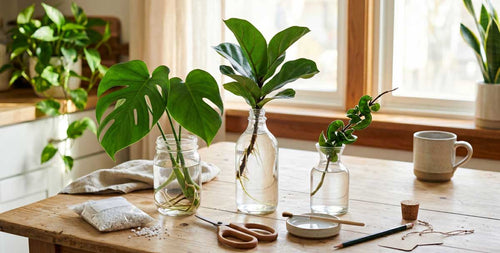
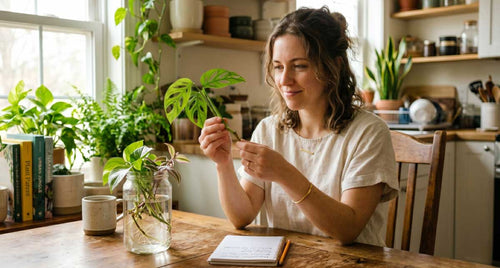
At some point I realized I was building my own houseplant care guide without even naming it that. I started taking quick notes for each plant, nothing fancy, just what I noticed.
I might jot down:
From those notes, I make simple “profiles” for plant groups like aroids, succulents, or ferns. When I move a plant to a new room or the weather shifts, I glance at the profile and adjust light, water, and soil with more confidence.
This is where Houseplant Resource Center fits into my routine. I use their education, guides, and plant care products as a strong base, then I customize every tip to match my unique home, schedule, and level of experience. The advice is a starting point, not a rule carved in stone.
I like to keep change small and clear. I pick one shelf or window, choose one or two plants, and experiment. Maybe I move a plant one foot back from the window, adjust the soil mix at the next repot, or slightly change how much fertilizer I give.
Then I watch:
I make a habit of updating my personal houseplant care guide at the start of each new season. When light angles shift and rooms warm up, I am ready to tweak care instead of being surprised by sad leaves.
For me, questioning generic advice is not being picky, it is being observant. My plants are living in my specific home, not in a perfect greenhouse. When I blend expert resources from Houseplant Resource Center with what I learn from my own rooms, I give my plants the best chance to grow strong and stay healthy.
I water when the soil and the plant tell me to, using moisture checks and pot weight instead of a fixed schedule.
I adjust soil based on how fast it dries in my home and how each plant responds, so some pots get chunkier mixes and others get more moisture-holding blends.
I stand in the spot at midday, and if I can read easily without turning on a lamp and the sun is not hitting the leaves directly, I call that bright indirect light.
I mostly fertilize during active growth in spring and summer, then scale back in cooler months unless a plant is still putting out steady new leaves.
I use a simple routine as a starting point, then I always adjust light, water, and food for each plant’s needs and where it lives in my home.
If you are ready to stop guessing and start understanding what your plants really need, our comprehensive houseplant care guide is the next step. At Houseplant Resource Center, we created this resource to help you troubleshoot problems quickly and build long-term plant health. You will find clear, practical advice you can use right away, whether you are caring for your first pothos or a whole indoor jungle. Let us help you turn plant care into a simple, reliable routine that actually works.


We are an Amazon Certified Small Business! Small businesses are the backbone of the US economy; they create jobs and drive innovation. We appreciate YOU helping small businesses on Amazon!